
Diseases
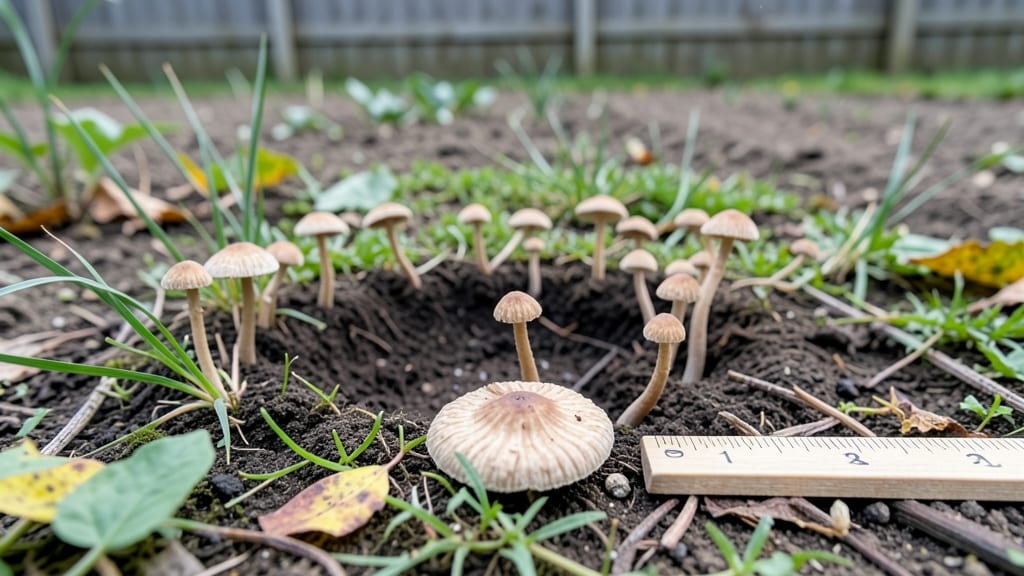
Mastering garden fungus identification is your first line of defense—before those creeping spores turn your garden beds into a battleground. 🌱 I've spent years watching fungal growth spread—some harmless, some devastating—and learned to spot the difference before it’s too late.
The first step is knowing what you're looking at: is that fuzzy white powder on your roses just harmless mold, or powdery mildew that'll defoliate them by summer?
Most garden fungi fall into three categories: beneficial (like mycorrhizae that boost root growth), edible (wild mushrooms in shady corners), or harmful (rusts, blights, and rots that kill plants). The key is examining texture, color, and where it appears—on leaves, stems, or soil.
My go-to trick? Snap a photo in natural light and compare it to trusted guides before touching anything, especially if it's near edible crops.
You'll quickly learn to recognize the telltale signs: powdery mildew's chalky coating, black spot fungus's dark leaf lesions, or the slimy mushroom caps that signal root rot. Once identified, you can act—prune infected parts, apply fungicides, or adjust watering habits.
The goal isn't to eliminate all fungi (many are essential), but to protect your plants from the harmful ones.
This system works for any garden size, from container herbs to full vegetable plots. The sooner you spot it, the easier it is to contain. Let's turn your fungus worries into confident diagnoses—because every garden needs a mycologist in the making.
Root Causes Of Fungal Growth
Fungal infections in gardens aren’t random—they thrive due to specific conditions that create the perfect environment for spores to germinate and spread. Understanding these triggers helps you prevent outbreaks before they start. Below, we break down the key factors behind fungal growth, from moisture mismanagement to hidden soil imbalances.
Fungi love water—literally. Most garden fungi require high humidity or prolonged dampness to activate. Here’s why moisture becomes a problem:
- Oxygen deprivation: Waterlogged soil cuts off oxygen, creating anaerobic conditions where fungal spores explode in growth. USDA research shows that Phytophthora (a deadly fungus) thrives in soils with more than 24 hours of saturation.
- Spores need hydration: Fungal spores are dormant until they absorb moisture. A single 0.01-inch rain can trigger germination in pathogens like Botrytis (gray mold) or Powdery Mildew.
- Foliage retention: Wet leaves act like spore incubators. Morning dew or overhead irrigation keeps foliage damp for hours, ideal for Alternaria or Septoria leaf spots.
Actionable fix: Improve drainage with raised beds, sand amendments, or gravel layers. Water deeply but infrequently (early morning) to let soil dry between sessions.
Fungi are temperature-sensitive, with optimal growth zones that align with seasonal changes. Here’s how climate plays a role:
| Fungus Type | Ideal Temp Range | Peak Season |
|---|---|---|
| Powdery Mildew | 60–85°F (15–30°C) | Spring/Fall (cooler nights + warm days) |
| Rust Fungi | 65–75°F (18–24°C) | Summer (high humidity + heat) |
| Root Rot (Pythium) | 70–85°F (21–30°C) | Late Summer (soil overheats) |
Why it matters: Sudden temperature swings (e.g., cool nights + warm days) stress plants, weakening defenses and making them vulnerable. Fungal spores also hibernate in winter but reactivate when soil warms above 50°F (10°C).
Actionable fix: Use mulch to stabilize soil temps. Avoid planting susceptible crops (like tomatoes) in humid heatwaves.
Fungi don’t grow in a vacuum—they feed on decaying matter and infect living hosts. Here’s how debris and plants fuel outbreaks:
- Leaf litter and mulch: Piles of old leaves, grass clippings, or wood chips create microclimates with 90%+ humidity. Armillaria (honey fungus) spreads via root contact with infected mulch.
- Weakened plants: Stressed plants (from over-fertilizing, pests, or transplant shock) have lower lignin in cell walls, making them easier targets for fungi like Verticillium wilt.
- Monoculture gardens: Planting the same species repeatedly (e.g., roses in a row) lets fungi specialize on that host, creating epidemic conditions.
Actionable fix: Remove debris 10+ feet from plants. Rotate crops annually and interplant (e.g., marigolds with tomatoes) to disrupt fungal cycles.
Fungi exploit nutritional weaknesses in plants and soil. Common imbalances include:
- High nitrogen, low phosphorus: Nitrogen-heavy fertilizers (like manure or synthetic 30-0-0) promote soft, succulent growth—a buffet for Powdery Mildew and Downy Mildew.
- Compacted or acidic soil: pH < 6.0 or clay-heavy soil reduces beneficial microbes, letting Fusarium or Phytophthora dominate.
- Lack of potassium: Potassium (K) strengthens cell walls. Deficient plants are 3x more likely to succumb to Root Rot.
Actionable fix: Test soil pH and amend with lime (to raise pH) or sulfur (to lower it). Use a balanced fertilizer (10-10-10) and compost tea to boost microbial diversity.
Injuries from insects, animals, or tools create entry points for fungi. For example:
- Chewing insects (e.g., Japanese beetles, slugs): Their saliva contains fungi like Beauveria bassiana, which can infect wounds.
- Pruning cuts: Dirty tools spread Canker fungi (e.g., Nectria) between plants.
- Hail or wind damage: Broken stems or leaves double infection risk for Anthracnose.
Actionable fix: Sanitize pruners with 70% alcohol between cuts. Use row covers to protect young plants from pests.
Quick Fixes for Common Fungus Issues
Fungal infections in your garden can feel like a losing battle, but with the right approach, you can restore your plants to health—and keep them thriving. Below, we’ve mapped common causes to practical solutions, from immediate fixes to long-term prevention.
Think of this as your garden’s first aid kit, tailored to the most frequent fungal troublemakers.
Signs: Yellowing leaves, mushy stems, mushrooms popping up in soil, or a musty smell.
How to Fix It 🔥 Step 1: Stop the Water Log
Pause watering immediately for 3–5 days to let the soil dry out.
If the ground feels soggy 2 inches below the surface, hold off longer. - Test drainage: Dig a small hole (6 inches deep) and fill it with water. If it drains in under 30 minutes, your soil is okay. If not, you’ve got a drainage issue.
👨🍳 Step 2: Improve Soil Aeration
- Loosen compacted soil with a garden fork or trowel, especially around the roots of affected plants. Aim for a depth of 6–8 inches.
- Add organic matter: Mix in 2–3 inches of compost or well-rotted manure to improve soil structure and water absorption.
🥘 Step 3: Adjust Your Watering Habits - Water deeply but less often: Aim for 1–1.5 inches of water per week (including rain), delivered in the early morning. Avoid overhead sprinkling, which can splash spores onto leaves. - Upgrade your pots: If using containers, ensure they have drainage holes.
Elevate pots on saucers or feet to prevent water pooling.
Prevention Tips
💡 Mulch wisely: Use straw or wood chips (2–3 inches thick) to retain moisture without suffocating roots. Keep mulch 2–3 inches away from plant stems. 🌡️ Monitor humidity: Fungal spores love damp air.
Use a fan on low in greenhouses or shade plants slightly to encourage airflow. ✨ Choose the right plants: Opt for native or drought-tolerant species if your soil drains poorly.
Signs: White powdery patches (powdery mildew), orange rust spots (rust fungus), or yellowing leaves with dark spots underneath.
How to Fix It 🔥 Step 1: Prune & Remove Infected Parts
Snip off affected leaves using sterilized pruners (wipe with rubbing alcohol between cuts).
Dispose of clippings in the trash—not the compost! - Thin out crowded plants to improve airflow. Aim for 12–18 inches of space between leaves.
🍳 Step 2: Apply Fungicides (Natural or Store-Bought) - Baking soda spray: Mix 1 teaspoon baking soda + 1 teaspoon vegetable oil + 1 drop dish soap in 1 quart of water.
Spray undersides of leaves every 7–10 days. - Neem oil: Dilute 1–2 tablespoons of neem oil in 1 quart of water + a drop of soap. Spray in the evening to avoid burning leaves. - Commercial options: For severe cases, use copper fungicide or sulfur-based sprays (follow label instructions).
🔪 Step 3: Boost Plant Immunity
- Fertilize lightly: Use a balanced, low-nitrogen fertilizer (like 5-5-5) to strengthen plants. Avoid over-fertilizing, which weakens defenses.
- Companion planting: Interplant with garlic, chives, or marigolds, which naturally repel fungal spores.
Prevention Tips
💡 Rotate crops: Avoid planting the same family of plants (e.g., tomatoes, peppers) in the same spot yearly. 🎯 Clean tools & hands: Sterilize pruners and wash your hands after handling infected plants to prevent spreading spores. 🌿 Start with resistant varieties: Choose disease-resistant seed varieties (e.g., ‘Defiant PhR’ phlox for powdery mildew).
Signs: Fungus growing on fallen leaves, mulch, or plant debris; sudden wilting or collapse of healthy-looking plants.
How to Fix It ⏰ Step 1: Clear the Clutter
Rake up all debris: Remove fallen leaves, spent plants, and old mulch from the garden bed.
Bag and discard (don’t compost!) infected material. - Sterilize garden beds: Solarize soil by covering it with clear plastic for 4–6 weeks in hot weather to kill fungal spores.
👨🍳 Step 2: Disinfect Tools & Surfaces
- Clean tools with a 1:10 bleach-water solution (or 70% rubbing alcohol) after each use.
- Wash containers: Scrub pots and garden furniture with soapy water and a bleach rinse.
🥘 Step 3: Refresh Mulch & Soil
- Replace old mulch with fresh, disease-free straw or pine needles.
- Add mycorrhizal fungi: These beneficial soil fungi (available as powders or granules) outcompete harmful pathogens.
Prevention Tips
💡 Mulch in layers: Use a thin layer of cardboard or newspaper under mulch to block spores from rising to the surface. 🔥 Compost correctly: Only add healthy, non-infected plant matter to compost piles.
Keep piles hot (140°F+) to kill spores. ✨ Plant in raised beds: Elevating beds improves drainage and reduces soil-borne fungus buildup.
If a plant is beyond saving (e.g., entire stem is mushy, roots are rotted), pull it out and destroy it.
For stubborn fungal hotspots: - Solarize the soil (cover with plastic for 6 weeks in summer). - Plant cover crops (like clover or rye) to starve out fungal spores before replanting. - Switch to resistant varieties for next season.
Remember: The key to beating garden fungus is prevention. Stay vigilant, act fast at the first sign of trouble, and your garden will bounce back stronger than ever! 🌿💪
Frequently asked questions
How do I tell if a mushroom in my garden is edible or poisonous?
Never eat wild mushrooms without 100% certainty—many look-alikes are deadly. Focus on key features: edible varieties like morels have honeycomb caps, while poisonous Amanita species have white gills and a bulbous base. When in doubt, use a field guide or submit a photo to a mycology forum for verification. Always cook wild mushrooms thoroughly, even if identified as safe.
What’s the difference between mold and harmful plant pathogens like powdery mildew?
Mold is usually harmless (like fuzzy green growth on soil), while powdery mildew is a destructive plant pathogen. The key difference: mold thrives on organic matter, while mildew forms white powdery coatings on leaves and weakens plants. If you see yellowing leaves with chalky spots, it’s likely mildew—act fast with neem oil or sulfur sprays to prevent spread.
Can I still use compost if my garden has fungal issues?
Yes, but only if the compost is hot (140°F+) and free of infected plant debris. Cold compost (below 120°F) can harbor spores. For fungal hotspots, use sterilized compost (pasteurized in a tumbler) or switch to compost tea (aerated liquid fertilizer) to avoid introducing pathogens. Always avoid composting diseased plants.
Why do some fungi appear only at certain times of year?
Fungi are seasonal because they thrive in specific temperature/humidity ranges. For example, powdery mildew peaks in spring/fall (cool nights + warm days), while root rot spreads in hot, humid summers when soil overheats. Understanding these patterns helps you time preventive measures—like mulching before summer or pruning in early spring.
What’s the fastest way to stop fungal spores from spreading?
Isolate infected plants immediately and sterilize tools with 70% rubbing alcohol. Remove all debris within 10 feet of the outbreak. For airborne spores (like mildew), use a fan on low to improve airflow. Water in the early morning so foliage dries quickly—this cuts spore germination by 70% compared to evening watering.