
Diseases
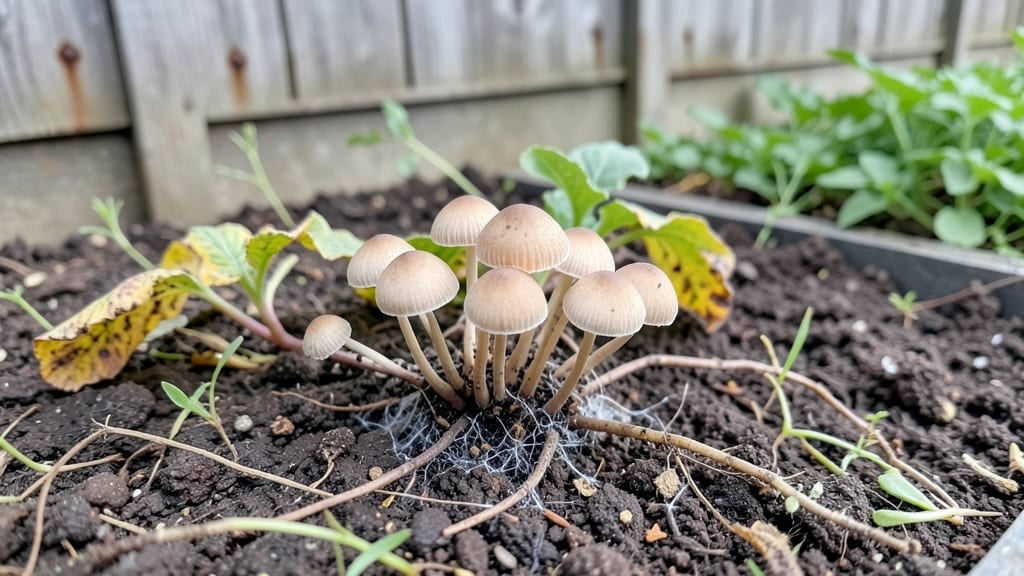
My raised garden bed fungus problem vanished after I wrapped the bottom with copper tape—no more mushy roots or wilting plants by midsummer. 🌱 The trick isn’t just copper; it’s combining that barrier with smarter watering and airflow so fungus doesn’t stand a chance.
Most people blame "bad soil" or "too much water," but the real culprits are trapped moisture and poor airflow. I learned the hard way when my strawberries turned to sludge last year.
The fix? Raised bed soil mix with perlite, watering only when the top 2 inches are dry, and keeping mulch 2 inches away from stems.
Within weeks, your plants will show new growth instead of yellowing leaves. The copper barrier blocks spores from creeping up from the ground, while proper spacing lets air circulate. You’ll harvest healthier veggies with fewer interruptions from fungal outbreaks.
Works for tomatoes, peppers, and herbs alike—just adjust the copper width based on bed depth. Here’s how to implement it step by step without sacrificing your garden’s productivity.
The Hidden Triggers Behind Fungus
Fungal growth in your raised garden beds isn’t just random—it’s usually a response to specific conditions that create the perfect storm for spores to thrive. Understanding these triggers is the first step to stopping them before they take over your plants.
Let’s break down the real culprits behind fungal outbreaks in raised beds and why they happen.
Fungi love moisture, but they thrive when soil stays soggy for too long.
In raised beds, poor drainage often stems from: - Compacted or clay-heavy soil – Traps excess water, cutting off oxygen and creating anaerobic conditions where fungi like Phytophthora and Pythium multiply. - Lack of organic matter – Soil with low compost or mulch holds water like a sponge, slowing drainage. - Improper bed construction – Beds without gravel layers or drainage holes at the base act like bathtubs, drowning roots.
Actionable fix: Amend soil with perlite, vermiculite, or coarse sand to improve aeration. Elevate beds slightly or add a gravel base (4–6 inches) before filling with soil.
Leaving behind old plant matter, fallen leaves, or unmulched weeds is like rolling out a welcome mat for fungi.
Organic debris: - Breaks down into fungal food – Decomposing material releases sugars and cellulose, which fungi feast on. - Traps moisture – A thick layer of mulch or compost can suffocate roots if not balanced with airflow. - Harbors spore reservoirs – Diseased plant fragments (e.g., infected stems or leaves) can reintroduce pathogens.
Actionable fix: Remove old plant debris before it decomposes. Use straw or shredded leaves (not whole leaves) for mulch—keep it 2–3 inches thick and fluff it occasionally.
Fungi spread via spores, which hitchhike on wind, water, or even your gardening tools.
Stagnant air in dense plantings or closed-in beds: - Slows evaporation – Moisture lingers on leaves and soil surfaces, creating ideal spore germination conditions. - Encourages foliar diseases – Fungi like powdery mildew or downy mildew thrive in shady, humid pockets. - Traps heat – Warm, damp air (above 75°F) accelerates fungal growth.
Actionable fix:
- Space plants 3–6 inches apart for airflow.
- Prune foliage to improve sunlight penetration.
- Use row covers or shade cloth to reduce humidity if your climate is perpetually damp.
While nitrogen fuels leafy growth, excessive nitrogen (from over-fertilizing or fresh manure) weakens plant defenses.
Here’s how: - Soft, sappy growth – Plants become more susceptible to fungal infections because their cell walls are less robust. - Alkaline soil pH – High nitrogen can raise pH, favoring fungi over beneficial microbes. - Root stress – Over-fertilized roots are less resilient to moisture stress, inviting fungal invaders.
Actionable fix:
- Test your soil (aim for a pH of 6.0–7.0 for most veggies).
- Use balanced fertilizers (e.g., 10-10-10) or compost tea instead of synthetic nitrogen spikes.
- Avoid fresh manure—compost it for 6+ months first.
Fungal spores are tiny but mighty—they can lurk on:
- Gardening tools (pruners, trowels) – Transferring spores from infected plants to healthy ones.
- Unsterilized compost – Homemade compost with diseased plant clippings can reintroduce pathogens.
- Reused potting mix – Old soil may harbor dormant fungal spores.
Actionable fix:
- Sanitize tools with a 10% bleach solution or rubbing alcohol between uses.
- Solarize compost (cover with plastic for 4–6 weeks in summer) to kill pathogens.
- Avoid reusing infested soil—replace it with fresh, sterile mix.
Fungal spores don’t just appear—they travel. Common sources include:
- Windborne spores from infected wild plants or neighboring gardens.
- Infested mulch or soil amendments (e.g., contaminated peat moss or bark).
- Wildlife activity (e.g., birds or insects spreading spores).
Actionable fix:
- Isolate new plants for 2 weeks to monitor for symptoms.
- Quarantine sick plants immediately to prevent spread.
- Choose fungal-resistant plant varieties (e.g., BlightMaster tomatoes or All-America Selections winners).
Fungi have peak seasons:
- Cool, wet springs – Ideal for root rot and damping-off (a seedling killer).
- Humid summers – Perfect for powdery mildew and leaf spot diseases.
- Frost-heave damage – Winter freeze-thaw cycles can crack roots, inviting fungal infections.
Actionable fix:
- Mulch heavily in winter (4–6 inches) to protect roots from temperature swings.
- Adjust watering—avoid overhead sprinkling in humid weather (water in the morning to allow foliage to dry).
- Use row covers in spring to reduce spore splash from rain.
Quick Fixes for Fungus Woes
Fungus in your raised garden bed doesn’t have to mean game over—with the right approach, you can restore balance and protect your plants. Below, we’ve mapped out practical solutions for common causes, from overwatering to poor airflow, along with prevention tips to keep your garden thriving.
Let’s tackle this step by step!
Fungus loves damp conditions, so if your raised bed stays soggy, it’s an open invitation for root rot and mold. Here’s how to dry things out and improve drainage:
🔥 Step 1: Adjust Your Watering Habits
- Water deeply but less often—aim for 1–1.5 inches per week (including rain).
Use a moisture meter to check soil dampness before watering. - Water in the morning to allow foliage to dry by evening, reducing humidity. - Avoid overhead watering—use drip irrigation or soaker hoses to keep leaves dry.
🍳 Step 2: Improve Soil Drainage
- Add organic matter: Mix in compost, coconut coir, or perlite (10–20%) to loosen heavy soil and boost aeration.
- Raise the bed height (if possible) to prevent water pooling at the base.
- Install a gravel or sand layer at the bottom (if rebuilding the bed) to create a drainage barrier.
👨🍳 Step 3: Check for Compaction
- Gently fluff the soil with a garden fork if it feels dense. Compacted soil holds moisture and suffocates roots.
💡 Pro Tip: If your bed has a plastic liner, poke drainage holes in the bottom to prevent waterlogging.
Fungus thrives in low-light, high-humidity environments. If your garden bed is too shaded or overcrowded, it’s time to increase airflow and sunlight.
🔪 Step 1: Thin Out Plants
- Remove overgrown or diseased plants immediately to reduce competition for air and nutrients.
- Space plants according to their mature size—check seed packets for guidelines.
⏰ Step 2: Prune for Better Airflow
- Trim dense foliage to allow sunlight and air to circulate.
- Avoid mulching too heavily near stems—keep mulch 2–3 inches away from plant bases.
🌡️ Step 3: Boost Sunlight Exposure
- If possible, relocate the bed to a sunnier spot (most veggies need 6+ hours of sun/day).
- Reflect sunlight with white walls, mirrors, or light-colored mulch nearby.
✨ Prevention Hack: Plant fungus-resistant varieties like Swiss chard, radishes, or bush beans in shaded areas.
Decaying organic matter is a fungus buffet. If your mulch or old plant debris is piling up, it’s time for a deep clean.
🔥 Step 1: Remove Infested Mulch
- Pull back old mulch and replace it with fresh, sterile options like:
- Straw (less prone to mold than wood chips)
- Shredded leaves (dried and aged)
- Gravel or landscape fabric (for non-organic beds)
🍳 Step 2: Sterilize the Soil (If Needed)
- For severe cases, mix in 1–2 cups of hydrogen peroxide (3%) per gallon of water) to kill fungal spores.
- Solarize the soil (cover with clear plastic for 4–6 weeks in hot sun) to bake out pathogens.
👨🍳 Step 3: Rotate Crops Next Season
- Avoid planting the same family (e.g., tomatoes, peppers) in the same bed for 2–3 years to break fungal cycles.
💡 Pro Tip: Use copper tape (as mentioned in the article!) around the bed’s edges to block fungal spores from spreading.
Excess nitrogen (from fresh manure or synthetic fertilizers) weakens plants, making them susceptible to fungus. Rebalance your soil with these fixes:
📊 Step 1: Test Your Soil
- Use a home soil test kit to check nitrogen (N), phosphorus (P), and potassium (K) levels.
- Ideal ratios for veggies: 1-2-2 (N-P-K) or lower in nitrogen.
💪 Step 2: Add Phosphorus & Potassium
- Mix in bone meal (for phosphorus) or greensand (for potassium) to strengthen plant defenses.
- Compost tea (aerated) can also boost beneficial microbes that outcompete fungus.
🥗 Step 3: Use Fungal-Reducing Amendments
- Mycorrhizal fungi (available as powder) can compete with harmful molds.
- Neem cake (organic) or garlic spray (1 tsp garlic powder per gallon of water) act as natural fungicides.
✨ Prevention Hack: Aged compost (6+ months) is safer than fresh—it’s less likely to harbor fungal spores.
If fungus has already taken hold, act fast with these organic and chemical-free solutions:
| Problem | Treatment | How to Apply |
|---|---|---|
| Root rot | Baking soda spray (1 tbsp + 1 tsp soap per gallon) | Spray on soil and leaves (reapply weekly). |
| Powdery mildew | Milk spray (1:9 milk-water mix) | Spray on leaves (use in early morning). |
| General soil fungus | Chlorine bleach (diluted) (1 tbsp per gallon) | Water soil lightly (avoid plants). |
| Severe infestation | Copper fungicide (organic) | Follow label instructions for soil drench. |
⚠️ Warning: Always test treatments on a small area first—some can harm plants if overused.
To keep fungus away for good, follow these easy maintenance habits:
- ✅ Space plants properly (3–6 inches apart for most veggies).
- ✅ Water at the base (never on leaves).
- ✅ Use raised bed fabric (landscape cloth) to block spores from below.
- ✅ Rotate crops annually.
- ✅ Avoid walking on beds (compacts soil and spreads spores).
- ✅ Plant fungus-resistant varieties (e.g., pepper ‘Jalapeño M’ or cucumber ‘Straight Eight’).
Final Thought: Fungus in raised beds is manageable—it just takes consistent care and smart adjustments. Start with one or two fixes from above, monitor your plants, and soon you’ll have a healthy, thriving garden free from moldy surprises! 🌿💚
Frequently asked questions
Why does fungus keep coming back in my raised garden bed even after I fix drainage?
Fungal spores can persist in soil or plant debris, so they often return if not fully eliminated. Even with good drainage, spores may linger on tools, mulch, or nearby plants. Try solarizing the soil (covering with plastic for 4-6 weeks) or applying a copper fungicide to kill dormant spores before replanting.
Can I still use wood chips as mulch if I've had fungus problems?
Wood chips can worsen fungus if they're too thick or not fully decomposed. Use straw or shredded leaves instead—they break down faster and hold less moisture. Keep mulch 2-3 inches thick and maintain 2 inches of space between mulch and plant stems to prevent rot.
How do I know if my raised bed has root rot versus just wilting from drought?
Root rot causes black, mushy roots and a foul smell, while drought-stressed plants have dry, brown roots but firm stems. Dig up a small plant—if roots are soft and crumbly, it's root rot. For drought, leaves will be crispy at the edges, not yellow or slimy.
Is it safe to reuse soil from a fungus-infected raised bed?
Reusing infected soil risks reinfecting new plants. Sterilize by mixing in hydrogen peroxide (3%) (1 cup per gallon of water) or solarizing for 4-6 weeks. Better yet, replace the top 6 inches of soil with fresh, sterile mix and add mycorrhizal fungi to help new plants resist infections.
What’s the fastest way to stop powdery mildew on my plants?
Spray with a milk solution (1:9 milk-water mix) in the morning—it works within 24 hours. For stubborn cases, add 1 tsp baking soda + 1 tsp soap per gallon of water and reapply every 5-7 days. Prune infected leaves immediately to improve airflow.