
Watering
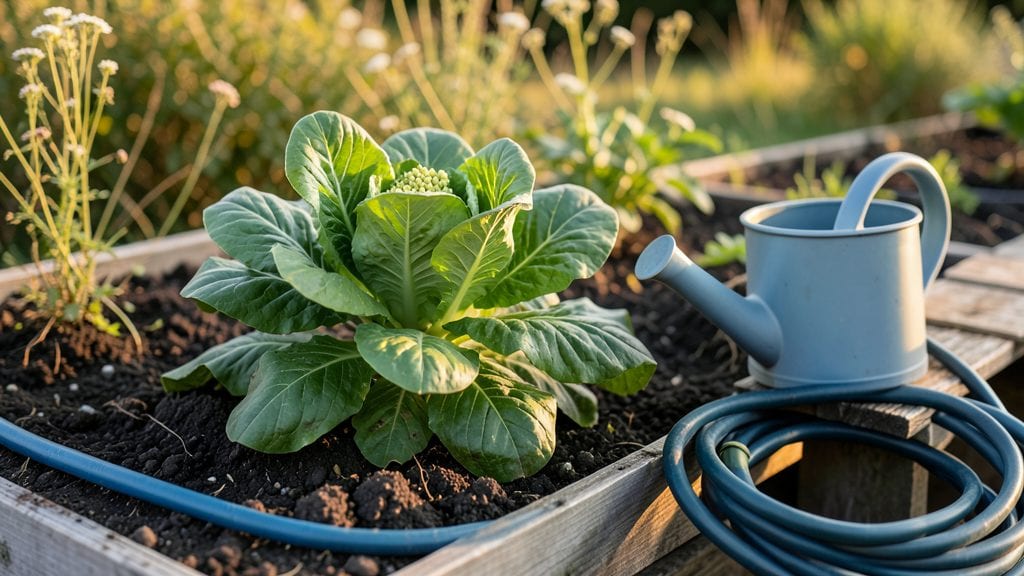
Daily watering in extreme heat actually creates more problems than it solves. 💧 Overwatering forces roots to compete for oxygen, while shallow watering encourages surface roots that dry out faster. I’ve seen firsthand how plants thrive with deeper, less frequent watering—it builds resilience against drought and strengthens root systems.
The key is checking soil moisture before watering: stick your finger 2-3 inches down; if it’s dry, that’s your cue to hydrate thoroughly.
Different plants have unique needs—succulents and drought-tolerant varieties need even less frequent watering, while leafy greens may require more attention. Always pair watering with a 2-3 inch layer of mulch to lock in moisture and regulate soil temperature.
This simple habit can cut your water usage by up to 40% while keeping your garden lush and healthy.
💡 In This Article
- How Often to Water Plants in Extreme Heat
- Signs Your Garden Needs Water (or Too Much)
How often to water plants in extreme heat
The science behind plant hydration in scorching temperatures revolves around two critical factors: root zone oxygenation and soil moisture balance. When you water daily, you create a soggy environment where roots suffocate from lack of oxygen—similar to how humans can't breathe underwater.
Healthy roots need about 20-25% air space in the soil to function properly, and constant moisture displaces this vital air pocket. 🔥 The worst part? Overwatering also triggers anaerobic bacteria that produce toxic compounds like ethanol and methane, which further damage delicate root systems.
Evaporation rates during extreme heat can reach 0.25 inches per hour for bare soil, but mulched areas lose only about 20% of that amount. This is why deep watering—delivering 1-1.5 inches of water per session—becomes essential.
Shallow watering (just wetting the top inch) encourages roots to stay near the surface where they dry out faster, creating a vicious cycle of thirst.
What most gardeners don't realize is that plants actually develop deeper, more resilient root systems when forced to seek moisture below the surface—this natural adaptation makes them far more drought-resistant over time.
The timing of watering makes a dramatic difference in plant health. Early morning watering (between 6-10 AM) allows foliage to dry completely by evening, preventing fungal diseases like powdery mildew that thrive in damp conditions.
Evening watering might seem logical, but it keeps leaves wet overnight—ideal conditions for pathogens. 💧 Another critical factor is soil composition: sandy soils drain quickly and need more frequent but shallower watering, while clay soils hold moisture longer and benefit from deeper, less frequent sessions.
The key measurement is always soil moisture at 2-3 inches deep—this is where most root systems operate.
Let's compare two common watering approaches: daily shallow watering (like sprinkling for 10-15 minutes) versus weekly deep watering (applying 1.5 inches at once). The shallow method might keep the top layer moist, but it creates weak, surface-bound roots that dry out within hours.
Deep watering, however, encourages roots to grow downward where moisture persists longer. Studies show plants watered this way develop root systems 30-50% deeper than those watered superficially—this extra depth means better stability and access to nutrients during heatwaves.
One surprising factor many gardeners overlook is how plant types influence watering needs. Succulents and desert-adapted plants (like agave or yucca) can survive on biweekly watering even in extreme heat, while leafy vegetables (such as lettuce or spinach) may need every 2-3 days during peak summer.
The rule of thumb is to match watering frequency to the plant's natural environment—cacti from arid regions need less, while tropical plants require more consistent moisture. Always pair your watering schedule with a 2-3 inch mulch layer to reduce evaporation by up to 40% and maintain more stable soil temperatures.
Here's what actually happens when you overwater: roots deprived of oxygen begin to rot, turning brown and mushy within days. This condition, called root rot, spreads quickly in hot weather when soil bacteria become more active.
The visual signs are often missed until it's too late—wilting leaves that don't perk up when watered, yellowing foliage, and a foul smell from the soil. The good news is that most plants can recover from mild overwatering if you immediately adjust to a proper deep-watering schedule and improve drainage.