
Flowers
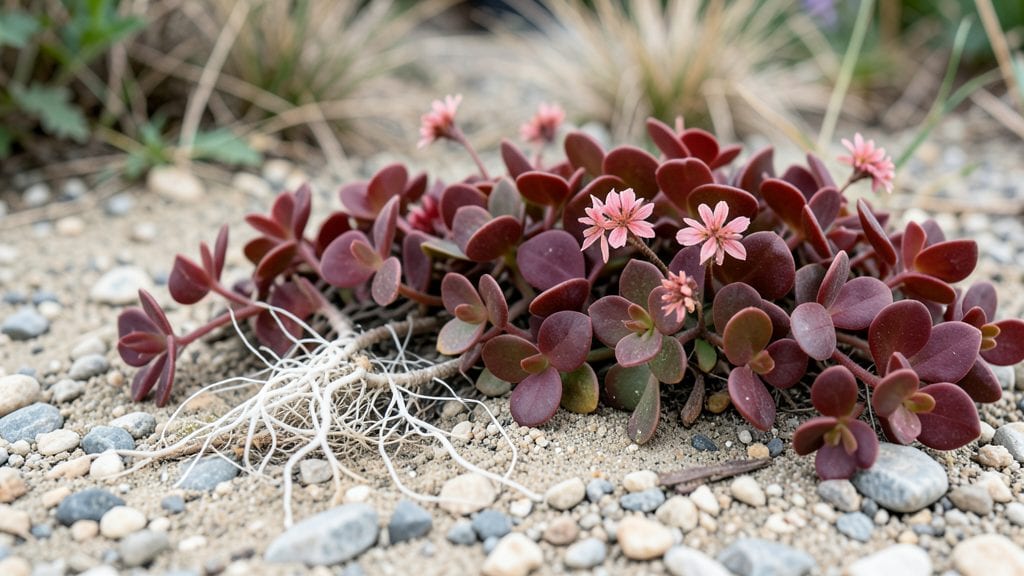
My solid ground gardens started with a stubborn hillside that refused to stay planted—until I learned how to work with the land instead of against it. 🌿 The key isn’t fighting the terrain; it’s building a foundation that holds up through seasons, rain, and even the occasional deer visit.
This approach turns rocky slopes or uneven yards into gardens that stay put, look polished, and require half the fuss of traditional beds.
We’re talking about layered designs that use structural plants—grasses, shrubs, and perennials with deep roots—to anchor the soil while adding texture and color. Raised beds on uneven ground? No problem. Rocky outcrops? They become features.
The secret lies in soil prep (amending with compost and organic matter) and choosing plants that thrive in your specific conditions, whether that’s dry shade or full sun. Think of it as gardening with a backbone.
What you end up with is a garden that looks intentional year-round, not just in spring. The right mix of evergreens, seasonal blooms, and ground covers creates movement and interest without constant deadheading or replanting.
Plus, the structural integrity means less weeding, fewer erosion headaches, and a space that actually stays beautiful—even when you’re not tending it daily. Here’s how to make it happen in your yard.
Works for urban backyards, rural slopes, or even small patios with creative container placements. The principles scale from a single raised bed to a full landscape redesign. Let’s get your ground solid—and your garden effortless.
Why it happens
Even the most well-intentioned gardeners can find themselves battling patchy blooms, stunted growth, or stubborn weeds in what should be a solid ground garden. The truth? Soil isn’t just dirt—it’s a living ecosystem, and when its balance tips, so does your garden’s health.
Let’s dig into the science behind why these issues arise, so you can diagnose (and fix) them like a pro.
🌱 Compaction: The Silent Growth Killer
Heavy foot traffic, machinery, or even rain can physically compress soil particles, reducing pore space by up to 50%. This suffocates roots, cuts off oxygen, and traps water—leading to anaerobic conditions (yes, your soil can drown plants!).
Compacted soil also disrupts the mycorrhizal network, the underground "highway" where fungi and roots trade nutrients. Without it, plants starve, even if you’re fertilizing.
Actionable fix: Test compaction by pushing a screwdriver into the soil—if it won’t go past 2 inches, you’ve got a problem. Loosen it with a broadfork (a garden fork designed to break up subsoil without turning it over) or amend with organic matter like composted leaves or coconut coir to restore structure.
🌀 Poor Drainage: The Drowning Disaster
Clay-heavy or fine-textured soils act like sponges, holding onto water long after roots need air. This triggers root rot (a fungal infection from Phytophthora or Pythium) and leaches away essential nutrients like nitrogen. Even worse?
Waterlogged soil releases methane (a greenhouse gas) as microbes feast on trapped organic matter. If your garden sits in a low spot or has a history of soggy patches, drainage is the culprit.
Test it: Dig a 12-inch hole, fill it with water, and time how long it takes to drain. If it’s still wet after 6 hours, your soil is hydrophobic or clay-bound. Fix it by mixing in perlite, sand, or gypsum (for clay) to open up pathways. For severe cases, install a French drain or plant deep-rooted "drainage plants" like comfrey or Russian sage.
🌀 Nutrient Imbalance: The Hungry Soil Syndrome
Soil isn’t just about nitrogen (the "green" fertilizer). Plants need a balanced trio: nitrogen (growth), phosphorus (roots/flowers), and potassium (stress resistance). But most soils are phosphorus-deficient due to erosion or over-fertilization with nitrogen-heavy amendments like manure.
Without phosphorus, roots can’t access water or microbes—even if the soil looks rich. pH imbalances (too acidic or alkaline) also lock out nutrients, like iron (which plants need for chlorophyll) becoming unavailable in alkaline soils.
Diagnose it: Get a soil test (DIY kits work for basics). If phosphorus is low, add bone meal or rock phosphate. For pH, adjust with lime (to raise pH) or sulfur (to lower it). Pro tip: Compost tea (a liquid fertilizer made from steeped compost) can jumpstart microbial activity overnight.
🐛 Microbial Mayhem: The Invisible Garden Police
Healthy soil teems with 1 billion microbes per teaspoon, including bacteria, fungi, and protozoa that break down organic matter into plant-available nutrients. But chemical fertilizers, pesticides, or even over-tilling can wipe them out, leaving your plants starving in a buffet.
Without these workers, organic matter piles up as "dead" material, and harmful pathogens (like Fusarium) move in. Even sterile potting mixes lack the diversity of native soil, which is why container gardens often underperform.
Rebuild the team: Feed your soil’s microbiome with chop-and-drop mulch (leaving plant clippings on the soil), biochar (a charcoal-like amendment), or mycorrhizal inoculants. Avoid synthetic fertilizers—opt for fish emulsion or kelp meal, which microbes love.
🌡️ Extreme Weather: The Uncontrollable Variable
Droughts bake soil into brick, while torrential rains wash away the topsoil layer (where 50% of roots and microbes live). Freeze-thaw cycles also create ice lenses in clay soils, pushing nutrients deeper than roots can reach.
Even urban heat islands (where pavement radiates heat) can raise soil temps by 20°F, shocking delicate microbes and burning roots. If your garden is in a microclimate (like a south-facing slope), these extremes can override your best efforts.
Buffer the shock: Mulch heavily (3–4 inches of straw or wood chips) to regulate temps and retain moisture. For clay soils, raise beds to improve drainage and reduce compaction. Choose drought-tolerant perennials like lavender or sedum for high-stress areas.
Practical fixes for year-round garden challenges
Creating a solid ground garden that thrives year-round takes a mix of proactive care and quick fixes when issues arise. Whether you're battling soil erosion, invasive weeds, or seasonal plant struggles, these solutions will help you restore balance and beauty without the hassle.
Let’s tackle the most common problems with easy-to-follow steps and prevention tips to keep your garden lush and low-maintenance.
Cause: Heavy rain, foot traffic, or poor drainage can turn fertile soil into hardpan, leaving plants struggling to take root.
How to Fix It:
- 🔥 Loosen the Soil: Use a garden fork or broadfork to aerate compacted areas. Work in sections, lifting and breaking up the soil without turning it over (to preserve soil structure).
- 🍳 Add Organic Matter: Mix in 2–3 inches of compost or well-rotted manure to improve drainage and fertility. Avoid heavy clay soils—blend in sand or perlite if needed.
- 👨🍳 Build a Living Mulch: Plant ground covers like creeping thyme, clover, or sedum to stabilize soil and prevent erosion. Pair with a 2-inch layer of mulch (wood chips or straw) to retain moisture.
✨ Prevention Tips:
- 💡 Install Swales: Create shallow, curved trenches to redirect water away from garden beds.
- 🌡️ Test Soil Drainage: Dig a 12-inch hole, fill it with water, and time how long it takes to drain. If it’s slower than 6 hours, amend with sand or gypsum.
- 🎯 Limit Foot Traffic: Use stepping stones or boards to protect pathways and plant beds.
Cause: Weeds thrive in disturbed soil, competing with your plants for nutrients and sunlight.
How to Fix It:
- 🔪 Hand-Pull Early: Remove weeds before they seed (especially dandelions and crabgrass). Use a weeding fork to extract roots without bending over.
- 🥘 Smother with Cardboard/Newspaper: Lay down 2–3 layers of cardboard or thick newspaper, then top with 4–6 inches of mulch. This blocks sunlight and kills weeds in 3–6 months.
- 🌿 Use Vinegar Spray (Spot-Treat Only): Mix 1 gallon of white vinegar + 1 cup salt + 1 tbsp dish soap. Spray directly on weeds (avoid desirable plants—it’s non-selective!).
✨ Prevention Tips:
- 💡 Mulch Religiously: A 3-inch layer of mulch suppresses weeds by 80%. Use straw, wood chips, or pine needles.
- 🎯 Plant Dense Ground Covers: Choose low-growing perennials like ajuga, lamium, or hostas to outcompete weeds naturally.
- 🌡️ Solarize Bare Soil: In hot months, cover soil with clear plastic for 4–6 weeks to bake out weed seeds.
Cause: Seasonal changes, pests, or improper watering can leave plants looking sad—even in a well-designed garden.
How to Fix It:
- 💧 Adjust Watering Habits:
- Drought Stress? Water deeply 2–3 times per week (early morning) instead of daily shallow watering.
- Overwatered? Let soil dry out between waterings. Improve drainage with gravel or sand amendments.
- 🍳 Feed with Slow-Release Fertilizer: Use a balanced granular fertilizer (10-10-10) or compost tea in spring/fall to revive growth.
- 🪴 Prune for Airflow: Trim back dead or crowded branches to reduce disease risk (especially for shrubs and perennials).
✨ Prevention Tips:
- 💡 Choose Drought-Tolerant Plants: Swap thirsty annuals for lavender, Russian sage, or sedum in dry areas.
- 🎯 Group Plants by Needs: Place water-loving plants (like hostas) near downspouts and drought-tolerant ones in sunny spots.
- 🌡️ Monitor Soil Moisture: Stick your finger 2 inches into the soil—if it’s dry, water; if soggy, hold off.
Cause: Bugs and fungi love weak plants, especially in crowded or poorly ventilated gardens.
How to Fix It:
- 🔥 Introduce Beneficial Insects: Release ladybugs (for aphids), nematodes (for grubs), or lacewings (for caterpillars). Buy them online or from garden centers.
- 🍳 Homemade Sprays:
- Neem Oil Spray: Mix 2 tbsp neem oil + 1 tsp mild soap + 1 quart water. Spray on under leaves for fungal issues or soft-bodied pests.
- Garlic Chili Spray: Blend 4 garlic cloves + 1 tbsp cayenne + 1 quart water. Strain and spray to deter rabbits and slugs.
- 👨🍳 Remove Infested Debris: Clear away fallen leaves, dead plants, and mulch buildup where pests hide.
✨ Prevention Tips:
- 💡 Plant Companion Flowers: Interplant marigolds (repel nematodes), basil (deters mosquitoes), or nasturtiums (lure aphids away from veggies).
- 🎯 Rotate Plant Families: Avoid planting the same crops (like tomatoes) in the same spot yearly to break pest cycles.
- 🌡️ Water at the Base: Wet leaves encourage fungal diseases like powdery mildew. Use drip irrigation instead of overhead sprinklers.
Final Thought: A solid ground garden isn’t about perfection—it’s about adapting and maintaining balance. With these fixes, your garden will stay resilient, beautiful, and low-stress all year long. 🌿✨
Frequently asked questions about stable garden designs
What makes a garden truly "solid ground" compared to regular planting?
A solid ground garden focuses on structural integrity through layered plantings, soil stabilization techniques, and erosion control. Unlike traditional gardens that rely on annuals or seasonal color, these designs use deep-rooted perennials, shrubs, and ground covers to anchor soil while creating visual interest year-round. Think of it as building a garden with a "skeleton" that holds up through seasons and weather.
Can I create a stable garden on rocky or sloped terrain?
Rocky areas work beautifully with crevice gardens (using drought-tolerant sedums and alpine plants), while slopes benefit from terraced beds or swales to redirect water. For rocky soil, focus on plants like lavender, thyme, or ornamental grasses that thrive in poor, well-draining conditions. The key is amending soil with compost and organic matter to improve moisture retention.
How do I prevent erosion in my stable garden design?
Start with mulching (3-4 inches of wood chips or straw) to protect soil from raindrop impact. Plant deep-rooted ground covers like creeping thyme or clover between main plants to bind soil naturally. For slopes, create contour trenches (swales) to slow water flow. Avoid tilling, which disrupts soil structure and accelerates erosion.
What are the best plants for low-maintenance stability?
Prioritize perennials with strong root systems like coneflowers, black-eyed Susans, and ornamental grasses for structure. Add evergreen shrubs (boxwood, junipers) for year-round color and dense ground covers (ajuga, lamium) to suppress weeds. These plants require minimal watering once established and help create that "built-to-last" look.
Will raised beds work for solid ground gardens?
Raised beds are perfect for stable gardens because they improve drainage and prevent soil compaction. Fill them with a mix of native soil, compost, and perlite for optimal structure. Use cedar or composite lumber for longevity (avoid pressure-treated wood that can leach chemicals). The key is keeping beds 3-4 feet wide for easy access and planting in layers with tall plants at the back.