
Vegetables
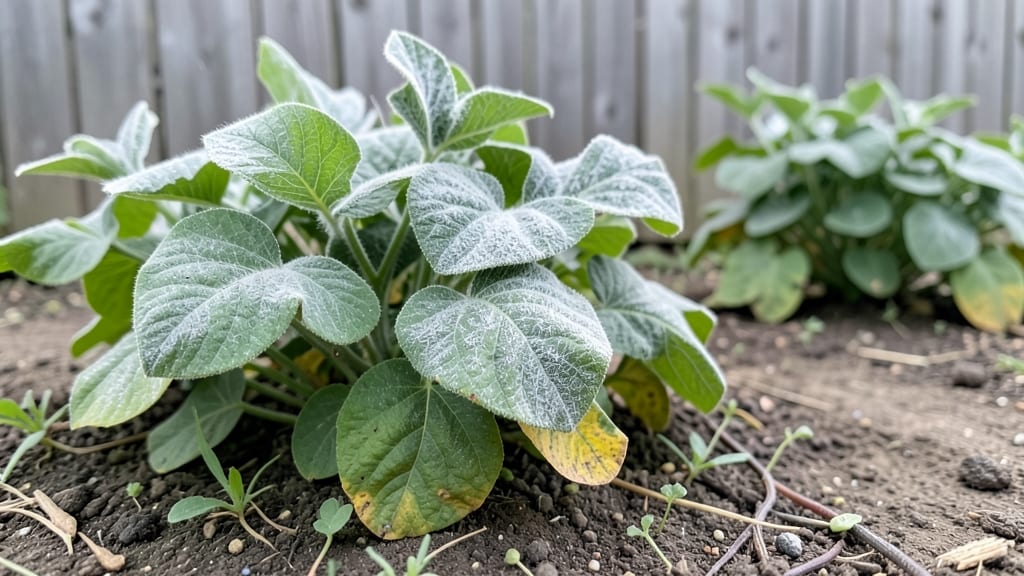
Vegetable garden fungus turns lush plants into sad, spotted messes if you don’t catch it early. 🌱 I’ve lost entire tomato harvests to blight and watched cucumbers collapse from powdery mildew—until I learned the right preventative tricks. The key isn’t just treating symptoms but stopping the problem before it starts.
Fungus thrives in damp, crowded spaces, so proper spacing and watering at the base (not overhead) make all the difference. My garden now stays healthy by rotating crops, choosing resistant varieties, and using copper fungicide as a last resort. Most issues disappear with these simple adjustments.
You’ll spot fewer brown spots, stronger stems, and vegetables that stay crisp and disease-free all season. The best part? These preventative steps take less than 10 minutes a week and save you from heartbreaking losses.
Works for tomatoes, cucumbers, peppers, and even leafy greens—no matter your climate. Let’s get your garden growing strong again.
Root Causes Of Fungal Spread
Fungal infections in your vegetable garden aren’t random—they thrive because of specific conditions. Understanding these triggers is the first step to prevention. Below, we break down the why behind fungal outbreaks, so you can address them directly.
🌧️ The Problem: Fungi love moisture. When soil stays soggy for too long, spores germinate and multiply. Poor drainage—whether from heavy clay soil, compacted earth, or overwatering—creates the perfect breeding ground.
Why It Happens:
- Excessive irrigation (especially overhead watering) keeps leaves damp, trapping moisture where fungi like Phytophthora or Pythium can latch on.
- Clogged or shallow soil prevents water from draining, leading to waterlogged roots and fungal root rot.
- Monoculture planting (growing the same crops year after year) depletes soil structure, making it harder for water to flow.
Actionable Fix: ✅ Test your soil’s drainage—dig a hole, fill it with water, and time how long it takes to drain. If it’s slower than 4 hours, amend with compost or sand. ✅ Water at the base (drip irrigation or soaker hoses) to avoid wetting foliage. ✅ Raise beds in heavy clay areas to improve airflow and drainage.
🌬️ The Problem: Fungi spread like wildfire in humid, stagnant conditions. Without airflow, spores linger on leaves, and diseases like powdery mildew or downy mildew take hold.
Why It Happens:
- Dense planting blocks airflow, trapping moisture near plants.
- Shady or enclosed spaces (like greenhouses without ventilation) create a greenhouse effect, boosting humidity.
- Evening dew on leaves provides a 24-hour moisture window for fungal spores to infect.
Actionable Fix: ✅ Space plants properly—follow seed packet guidelines for airflow (usually 12–24 inches apart). ✅ Prune foliage to improve circulation, especially in leafy crops like lettuce or spinach. ✅ Use row covers during humid mornings to reduce dew buildup, then remove them when the sun dries leaves.
🛡️ The Problem: Healthy plants resist fungi, but stress from nutrient deficiencies, pests, or physical damage leaves them vulnerable.
Why It Happens:
- Nitrogen deficiency weakens cell walls, making plants more susceptible to infections like early blight.
- Insect damage (e.g., aphids or spider mites) creates open wounds where fungi can enter.
- Transplant shock or sudden temperature swings stress plants, lowering their defenses.
Actionable Fix: ✅ Fertilize with balanced nutrients—use a slow-release organic fertilizer (like compost or worm castings) to avoid nitrogen spikes. ✅ Monitor for pests—remove chewed leaves or treat with neem oil to prevent secondary fungal infections. ✅ Hardening off seedlings gradually before transplanting reduces shock.
🧹 The Problem: Fungal spores hitchhike on dirty tools, compost, or old plant debris, reinfecting your garden season after season.
Why It Happens:
- Reusing tools (pruners, trowels) without sterilizing them spreads spores from infected to healthy plants.
- Using fresh compost with uncooked manure or diseased plant material introduces pathogens like Sclerotinia.
- Crop rotation failures leave behind fungal residues in the soil.
Actionable Fix: ✅ Sterilize tools between uses—wipe with rubbing alcohol or a 10% bleach solution (rinse well). ✅ Avoid fresh manure—wait at least 120 days before using compost on edibles to kill pathogens. ✅ Rotate crops—never plant the same family (e.g., tomatoes, peppers) in the same spot two years in a row.
💦 The Problem: Standing water—whether from poor irrigation or rain—creates a fungal paradise. Warmth accelerates spore growth, leading to root rot or leaf spots.
Why It Happens:
- Overhead sprinklers create prolonged leaf wetness, ideal for Alternaria or Septoria spores.
- Low-lying areas in the garden act as natural puddles, trapping moisture against stems.
- Drip lines clogged or misaligned cause water to pool around plants.
Actionable Fix: ✅ Adjust watering schedules—early morning (before 10 AM) is best to allow foliage to dry. ✅ Grade your garden—slope soil slightly away from plants to prevent water pooling. ✅ Check irrigation systems weekly for leaks or blockages.
Quick Fixes for Garden Fungus
Fungus in your vegetable garden can feel like a sneaky intruder, but with the right approach, you can banish it fast and keep your plants healthy. Below, we’ve mapped the most common causes of garden fungus to practical, step-by-step solutions—plus prevention tips to stop it from returning.
Think of this as your fungus-fighting toolkit, ready to deploy at the first sign of trouble.
Cause: Overwatering, poor drainage, or dense foliage trapping humidity creates the perfect damp playground for fungi like powdery mildew or downy mildew.
Fix It: ✅ 🔥 Step 1: Space Out Watering
- Water early in the morning (before 10 AM) so foliage dries quickly. Avoid evening watering—wet leaves overnight = fungus buffet.
- Use a soaker hose or drip irrigation to deliver water at the soil level, not the leaves.
✅ 👨🍳 Step 2: Improve Drainage
- Amend heavy or compacted soil with compost or sand to help water drain faster.
- If containers are guilty, add perforations or saucers to prevent soggy roots.
✅ 🌡️ Step 3: Prune for Airflow
- Thin out crowded plants (especially tomatoes, cucumbers, and squash) to let air circulate. Aim for 3–4 inches of space between leaves.
- Remove yellow or diseased leaves immediately—don’t compost them! Toss in the trash instead.
💡 Pro Tip: If fungus is already spreading, skip watering for 24–48 hours to let the garden dry out. Then resume with caution.
Cause: Leaves, mulch, or plant waste left on the soil provide a cozy home for fungal spores. Common culprits: early blight, botrytis (gray mold), and root rot.
Fix It: ✅ 🔪 Step 1: Clear the Clutter
- Rake away fallen leaves, spent mulch, and plant debris from the soil surface. Fungi love hiding in this layer!
- Sterilize tools between uses with a 10% bleach solution (1 part bleach to 9 parts water) to avoid spreading spores.
✅ 🥘 Step 2: Refresh Mulch (Smartly)
- If mulch is the problem, remove and replace it with a fresh, dry layer (straw or shredded leaves work well).
- Keep mulch 2–3 inches away from plant stems to prevent moisture traps.
✅ ⏰ Step 3: Rotate Crops
- Fungi often target the same plant families year after year. Rotate vegetables (e.g., tomatoes after potatoes) to break the cycle.
💡 Pro Tip: Solarize your soil in late summer to kill fungal spores. Lay clear plastic over moist soil for 4–6 weeks—the sun does the heavy lifting!
Cause: Over-fertilized (especially with nitrogen-heavy feeds) or poorly aerated soil weakens plants, making them fungus magnets. Damping-off in seedlings and root rot often strike here.
Fix It: ✅ 🌱 Step 1: Test and Adjust Soil
- Conduct a simple pH test (ideal for most veggies: 6.0–7.0). If too acidic, add lime; if alkaline, use sulfur.
- Mix in compost or aged manure (1–2 inches) to improve structure and fertility without overdoing nitrogen.
✅ 🍳 Step 2: Loosen the Soil
- Gently fork or till the top 6 inches of soil to break up compaction. Avoid deep tilling—it can damage roots!
- For containers, repot if soil is waterlogged or crusty.
✅ 🎯 Step 3: Strengthen Plants Naturally
- Side-dress with kelp meal or fish emulsion (low-nitrogen, high-potassium) to boost plant immunity.
- Companion plant with fungi-resistant allies like garlic, marigolds, or thyme to deter spores.
💡 Pro Tip: Avoid fresh manure—it’s a fungus feast! Use only well-aged compost (3–6 months old).
Cause: Humid climates, rain, or poor airflow (like under a greenhouse) turn your garden into a fungal paradise. Powdery mildew and rust thrive in these conditions.
Fix It: ✅ 🌡️ Step 1: Shade & Shelter
- Use floating row covers or shade cloth (30–50%) to reduce humidity on plants.
- Space rows wider (18–24 inches apart) for better airflow.
✅ 💨 Step 2: Fan It Out
- Place a small fan on low speed near affected plants for 10–15 minutes daily to dry leaves faster.
- Hand-pollinate (gently shake plants) to encourage airflow around flowers/fruit.
✅ ✨ Step 3: Natural Fungicides
- Spray plants with a baking soda mix (1 tsp baking soda + 1 quart water + a drop of dish soap) weekly as a preventative.
- Try neem oil (1 tbsp per gallon of water) for a natural, spore-killing treatment.
💡 Pro Tip: Mulch with pine needles—they’re naturally acidic and repel many fungi!
If fungus is severe (e.g., blight, rust, or root rot), consider copper fungicides or fixed copper sprays (like Bordeaux mixture). Always:
- Follow label instructions precisely.
- Reapply after rain—it washes off!
- Rotate with organic methods to avoid resistance.
| Do This | Avoid This |
|---|---|
| Water at soil level, not leaves | Watering at dusk or night |
| Rotate crops yearly | Planting the same veggies in the same spot |
| Prune regularly for airflow | Letting plants get overcrowded |
| Use resistant varieties (e.g., 'Defiant' ph tomatoes) | Ignoring early signs (yellow spots, white powder) |
| Solarize soil in off-seasons | Using fresh mulch from infected plants |
Remember: Fungus is a sign of imbalance, not a death sentence. Act fast, adjust your garden’s conditions, and soon your veggies will be thriving—fungus-free! 🌱💪
Frequently asked questions
What are the first signs of fungus in my vegetable plants?
Look for white powdery coatings (powdery mildew), yellow/brown spots (early blight), or black/mushy stems (root rot). Check undersides of leaves first—fungus often starts there before spreading. Act fast if you see these signs to prevent total plant collapse.
Can I still harvest vegetables if fungus is present?
Harvest only undamaged fruit from infected plants, but avoid eating leaves or stems with visible fungus. For tomatoes or peppers, remove affected fruit immediately to stop spore spread. Never compost diseased plant material—toss it in the trash instead.
How often should I apply natural fungicides like neem oil?
Use neem oil every 7–10 days as a preventative spray, especially during humid weather. For active infections, apply weekly until symptoms disappear. Always mix with water (1 tbsp per gallon) and add a drop of dish soap to help it stick to leaves.
Why does fungus keep coming back even after I treat it?
Fungus returns when underlying conditions persist—like poor drainage, overcrowding, or high humidity. Check your watering habits, plant spacing, and soil health. Fungal spores can survive in soil for years, so combine treatments with crop rotation and soil solarization for long-term control.
Are some vegetables more prone to fungus than others?
Yes! Tomatoes, cucumbers, and squash are top targets for powdery mildew and blight, while leafy greens (like spinach) often get downy mildew. Choose resistant varieties (e.g., 'Defiant' tomatoes) and give these crops extra airflow to reduce risk.