
Pests and Diseases
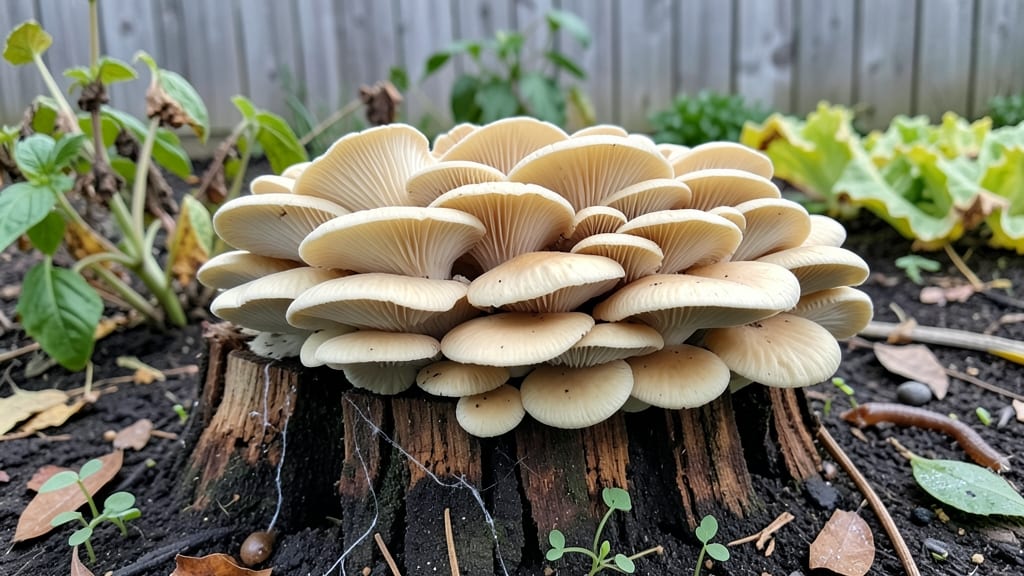
Fungus growing in my garden used to make me want to rip everything out—until I learned how to manage it without harsh chemicals. 🌱 The first time I spotted those strange mushrooms popping up between my tomatoes, I panicked, thinking my whole garden was doomed.
Turns out, most garden fungi aren’t villains—they’re just nature’s cleanup crew, breaking down old plant matter. But some types, like powdery mildew or root rot, can wreck your harvest if left unchecked.
The real culprits are usually too much moisture, poor airflow, or overcrowded plants—conditions that turn your garden into a fungus buffet. I fixed my problem by spacing plants farther apart, watering at the base (not overhead), and adding a thick layer of mulch to keep soil dry.
For stubborn cases, a homemade neem oil spray (1 tablespoon per quart of water) works wonders without harming beneficial insects.
You’ll see results fast—within a week or two of adjusting your care routine, new growth will push through cleaner, and those pesky spores will have nowhere to take hold.
The key is acting early: remove any infected leaves immediately, and always water in the morning so foliage dries by evening. Prevention beats cleanup every time.
This approach works for both ornamental and vegetable gardens, whether you’re dealing with harmless mushrooms or destructive diseases. The goal isn’t to eradicate all fungi—that’s impossible—but to keep the good kinds in check while protecting your plants. Let’s turn your garden back into a thriving, fungus-smart space.
Root Causes Of Garden Fungus
Fungus thriving in your garden isn’t just a random bad luck scenario—it’s usually a sign that specific environmental or gardening conditions have created the perfect breeding ground. Understanding these triggers is the first step to stopping the spread and protecting your plants.
Let’s break down the most common reasons why fungus takes over your garden, along with the science behind each one.
Fungi love water—literally. Most garden fungi require moisture to spread their spores and grow. When your soil stays damp for too long, you’re essentially rolling out the welcome mat for pathogens like Phytophthora (root rot) or Botrytis (gray mold). Here’s why it happens:
- Overwatering: Watering plants at the wrong time (e.g., late in the day) or using sprinklers that soak leaves and soil can create prolonged moisture. Fungi thrive in humidity levels above 75%.
- Compacted or clay soil: These soils drain poorly, trapping water near roots. Fungi like Rhizoctonia (which causes damping-off in seedlings) flourish in these soggy conditions.
- Poor airflow: Dense plantings or thick mulch layers can block airflow, keeping leaves damp longer. Fungi spread faster when spores aren’t allowed to dry out.
Actionable fix: Improve drainage by amending soil with compost or perlite, water early in the day, and space plants to allow airflow. Use drip irrigation to target roots instead of leaves.
Leaves, fallen branches, and decaying plant material aren’t just eyesores—they’re fungus buffets. Organic debris provides food and shelter for spores. For example:
- Leaf litter: Wet leaves create a cozy microclimate for Alternaria (a common leaf spot fungus). These spores can survive in dead leaves for years.
- Compost piles: While composting is great for soil health, improperly managed piles can overheat and create anaerobic conditions, promoting fungal growth like Mucor.
- Plant residues: Diseased plants left in the soil (e.g., tomato stems with early blight) can reinfect new crops the next season.
Actionable fix: Regularly clear dead plant material, especially from the base of plants. Mulch sparingly (2–3 inches) and keep it away from stems. Turn compost piles frequently to aerate them.
Fungi are opportunistic and often exploit temperature swings or high humidity. For instance:
- Cool, wet springs: Many fungi, like Pythium (which causes seed rot), are most active when soil temps hover between 60–75°F (15–24°C) and moisture is high.
- Hot, humid summers: Fungal diseases such as Powdery Mildew thrive in temperatures above 75°F (24°C) with high humidity, especially on susceptible plants like cucumbers or roses.
- Frost damage: Frozen or thawed plants become stressed, making them vulnerable to fungal infections like Botrytis.
Actionable fix: Monitor local weather forecasts and adjust watering schedules. Use shade cloth for heat-sensitive plants, and avoid overhead watering during peak humidity hours (late afternoon/evening).
Healthy plants have natural defenses, but stress opens the door to fungal invaders. Common stressors include:
- Nutrient deficiencies: Plants low in nitrogen or phosphorus are weaker and more prone to infections like Fusarium wilt.
- Physical damage: Pruning wounds or insect bites (e.g., from aphids) create entry points for fungi like Verticillium.
- Transplant shock: Recently planted or repotted plants are vulnerable until their roots establish.
- Overcrowding: Competing for resources weakens plants, making them susceptible to soil-borne fungi.
Actionable fix: Strengthen plants with balanced fertilizers, proper spacing, and regular pruning. Sterilize tools between cuts to prevent spreading spores.
Some pests don’t just damage plants—they pave the way for fungi. For example:
- Slugs and snails: Their slime trails create damp conditions ideal for Phytophthora, and their feeding wounds invite infection.
- Root-knot nematodes: These microscopic worms weaken roots, making plants more susceptible to fungal root rots.
- Aphids and mites: Their honeydew secretions promote sooty mold (Capnodium), a black fungal growth that coats leaves.
Actionable fix: Control pests naturally with neem oil, diatomaceous earth, or beneficial insects like ladybugs. Remove affected plant parts promptly.
By addressing these root causes, you can disrupt the cycle that fuels fungal growth. The key is prevention—because once fungi take hold, they’re harder to eradicate than to stop in the first place. 🌱
Natural Ways to Stop Fungus Spread
Fungus in your garden doesn’t have to mean the end of your green space—with the right approach, you can restore balance and protect your plants. Below are targeted solutions for common causes, paired with prevention tips to keep fungus at bay for good.
Think of this as your garden’s first line of defense, armed with humane, chemical-free strategies that work with nature, not against it.
Problem: Fungus thrives in soggy soil, especially if water pools around roots or leaves stay damp for too long.
How to Fix It:
- 🔥 Adjust Your Watering Routine Water deeply 2–3 times per week (early morning is best) instead of daily light sprinkles. Aim for 1–1.5 inches of water per session—let the top inch of soil dry out between waterings. Use a moisture meter or the "squeeze test" (grab a handful of soil; if it crumbles, it’s dry enough). Pro Tip: 💡 Drip irrigation or soaker hoses deliver water at the roots, reducing leaf wetness—fungus’s favorite snack.
- 🍳 Improve Soil Drainage Amend heavy clay soil with compost, perlite, or coarse sand (1 part amendment to 3 parts soil).
For container plants, ensure pots have drainage holes and use a mix with 50% potting soil and 50% perlite or coconut coir. Pro Tip: 🌡️ Raise garden beds slightly (even 2–3 inches) to encourage faster drainage.
- ⏰ Prune for Airflow Thin out crowded plants to reduce humidity near leaves. Remove dead or diseased foliage immediately (sterilize pruners with rubbing alcohol between cuts).
Prevent Future Issues: ✨ Mulch correctly: Use straw or wood chips (2–3 inches thick) to regulate moisture, but keep mulch 2 inches away from plant stems to prevent rot. ✨ Test your soil: A pH test kit ($10) helps—fungus loves acidic soil (pH <6.0). Adjust with lime (to raise pH) or sulfur (to lower pH) as needed.
Problem: Spores spread via wind, tools, or contaminated compost, leading to powdery mildew, rust, or blight.
How to Fix It:
- 👨🍳 Bake or Solarize Tools Clean gardening tools with 70% isopropyl alcohol or 1:10 bleach-water solution (rinse well). For a deeper clean, place tools in a brown paper bag, seal, and bake at 200°F for 30 minutes to kill spores. Pro Tip: 🔥 Dedicate tools to infected plants—don’t reuse them until sterilized.
- 🥘 Remove and Dispose of Infected Plants Do NOT compost diseased plants—this spreads spores.
Instead, bag them in a sealed plastic bag and toss in the trash (or burn if local laws allow). Pro Tip: ✨ Quarantine new plants for 2 weeks in a separate area before introducing them to your garden.
- 🌿 Boost Plant Immunity Neem oil spray (1 tsp neem oil + 1 tsp mild soap + 1 quart water) prevents spore germination. Spray every 7–10 days or after rain.
For a DIY fungicide, mix 1 cup baking soda + 1 quart water + a few drops of soap (reapply after rain). Pro Tip: 💪 Feed plants with compost tea (steep compost in water for 24 hours, strain) to strengthen their natural defenses.
Prevent Future Issues: ✨ Rotate crops annually—don’t plant the same family (e.g., tomatoes, peppers) in the same spot to break fungal life cycles. ✨ Space plants properly—follow seed packet spacing guidelines to maximize airflow.
Problem: Stressed plants (from over/under-fertilizing, pests, or transplant shock) are fungus magnets.
How to Fix It:
- 🍎 Balance Your Fertilizer Too much nitrogen (common in synthetic fertilizers) weakens plants. Switch to balanced organic fertilizer (e.g., 5-5-5 or compost) or fish emulsion (dilute to half-strength). Pro Tip: 📊 Test soil nutrients before fertilizing—overfeeding is a fast track to fungus.
- 🥗 Support Root Health Mycorrhizal fungi (beneficial microbes) help plants absorb nutrients and fight pathogens. Add mycorrhizal inoculant to soil at planting time. Pro Tip: 🌡️ Avoid compacted soil—aerate with a garden fork to encourage root growth.
- 🐞 Manage Pests Proactively Aphids, mites, and slugs create wounds where fungus enters. Use soapy water spray (1 tsp mild soap + 1 quart water) or introduce beneficial insects (ladybugs, nematodes).
Prevent Future Issues: ✨ Transplant carefully—water roots thoroughly before moving plants and prune 1/3 of foliage to reduce stress. ✨ Mulch with nitrogen-rich materials (e.g., grass clippings) to feed soil microbes that outcompete pathogens.
Problem: Fungus like powdery mildew and downy mildew flourish in hot, humid conditions (80°F+ with high moisture).
How to Fix It:
- 🌿 Shade Sensitive Plants Use shade cloth (30–50%) over susceptible plants (e.g., cucumbers, squash) during peak sun. Reflective mulch (aluminum foil or white plastic) can also reduce heat stress. Pro Tip: 🔥 Water in the morning so leaves dry by afternoon—night watering traps moisture.
- 💨 Increase Air Circulation Oscillating fans (set to low) near plants can reduce humidity by 10–15%. For larger gardens, plant windbreaks (e.g., tall grasses or shrubs) to improve airflow. Pro Tip: ✨ Prune for an "open canopy"—trim branches to let light and air penetrate the center of plants.
- 🍃 Choose Resistant Varieties Swap susceptible plants for fungus-resistant cultivars, like:
- Tomatoes: ‘Mountain Merit’ (blight-resistant)
- Cucumbers: ‘Lemon Cucumber’ (powdery mildew-resistant)
- Roses: ‘Knock Out’ series (disease-tolerant)
Prevent Future Issues: ✨ Avoid overhead watering—use drip lines or hand watering at the base. ✨ Harvest promptly—overripe fruit attracts pests and rots, inviting fungus.
Frequently asked questions
Why do mushrooms suddenly appear in my garden?
Those mushrooms are nature’s way of breaking down dead organic matter—like fallen leaves or old roots. They’re usually harmless and even beneficial, but if they’re popping up near living plants, check for overwatering or poor drainage, which can encourage unwanted fungal growth. Remove them if they’re crowding your plants.
Can I still compost plant material if fungus is growing on it?
Only if the fungus is harmless (like mushrooms or mold on healthy leaves). But if you see signs of disease—like black spots, powdery coatings, or rotting—toss those infected plants in the trash, not the compost. Diseased material can spread spores and contaminate your compost pile.
How do I tell if the fungus is harmful or just harmless?
Harmless fungi (like mushrooms or shelf fungi) grow on dead wood or debris, while harmful ones attack living plants—look for yellowing leaves, spots, or wilting. If your plants show stress symptoms, act fast: remove infected parts, improve airflow, and treat with neem oil or baking soda spray.
Will copper sprays work on all types of garden fungus?
Copper-based fungicides are effective against many fungal diseases (like blight or mildew), but they won’t help with soil-borne issues like root rot. For stubborn cases, combine copper spray with improving drainage and removing infected plants. Always follow label instructions—overuse can harm beneficial soil microbes.
Can I prevent fungus without chemicals?
Start by watering at the base in the morning, spacing plants for airflow, and using mulch (but keep it away from stems). Add compost tea to boost plant immunity, and introduce beneficial fungi like mycorrhizae. Rotate crops yearly to break disease cycles—nature’s best defense!