
Tools
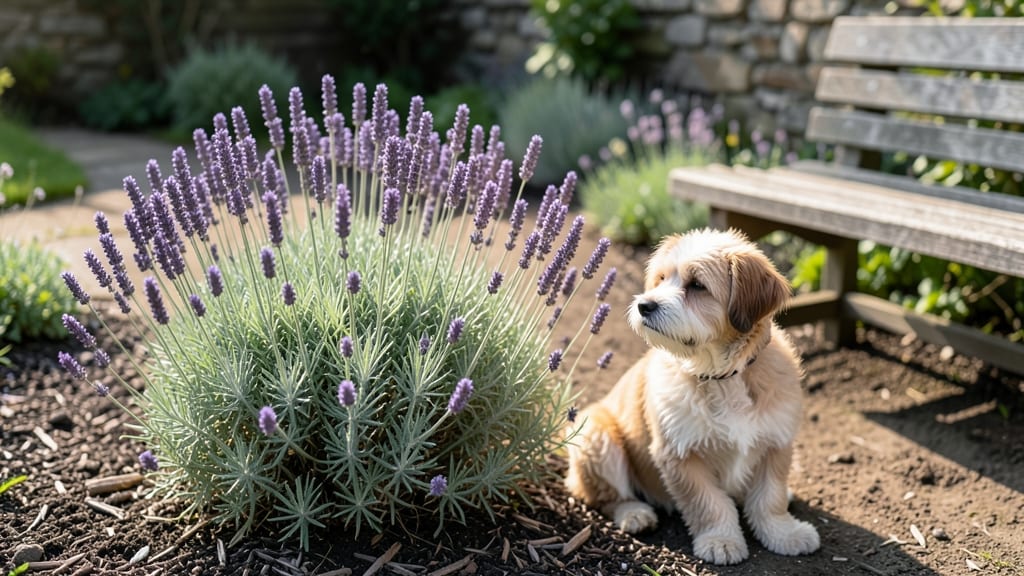
Creating a pet-friendly garden means balancing their curiosity with plant protection. Use raised beds or chicken wire to block digging, plant marigolds or citrus peels as natural deterrents, and opt for organic mulch that pets can safely explore without disturbing roots.
Many pet owners assume gardens and animals can't coexist peacefully, but with the right approach, you can have both thriving. 🌿 The key is combining physical boundaries with non-toxic solutions—like elevated planting areas or vinegar-based sprays—that keep pets curious but not destructive.
I’ve seen firsthand how a simple layer of hardware cloth under mulch prevents cats from turning flower beds into litter boxes while still letting them enjoy the space.
What’s often overlooked is how pets actually benefit from this setup. Dogs and cats get mental stimulation from exploring safe zones, and you avoid the frustration of chewed plants or dug-up soil. The trick is consistency—reapply deterrents seasonally and monitor your pet’s habits to adjust barriers as needed.
💡 In This Article
- Safe Physical Barriers for Pets and Plants
- Natural Pet Deterrents That Won’t Harm Gardens
Safe physical barriers for pets and plants
Raised garden beds are one of the most effective ways to protect plants from curious pets while maintaining a lush garden. The key is using 12-inch tall walls made from cedar, composite lumber, or galvanized metal, which creates a physical barrier pets can't easily climb or dig under.
For dogs, add a 1-inch lip on the outer edge to prevent them from jumping out—this simple design trick works because it disrupts their momentum. 🌱 The soil inside remains undisturbed, preserving root structures and moisture levels that pets often disrupt with their digging.
For areas where raised beds aren't practical, install hardware cloth tunnels (made from 1/4-inch mesh) around delicate plants or new seedlings. Bury the edges 6-8 inches deep to block moles and dogs, and leave 2-inch gaps at the top for airflow.
This method works because pets can't chew through the metal, unlike plastic fencing which often gets gnawed. For cats, add vertical stakes with 1-inch spacing—they'll try to squeeze through but won't succeed, creating a visual boundary they respect.
Pet-proof fencing requires strategic placement of L-shaped corner posts to prevent digging underneath. Use 4-foot tall fencing with 1-inch mesh spacing for small pets, or 6-foot tall for larger dogs.
The secret lies in burying the fence 12 inches deep and adding angled extensions outward at the base—this stops pets from tunneling. For cats, add horizontal strips of aluminum flashing (like a mini fence) around garden edges—they hate the texture and will avoid it. 🐾
DIY solutions like gravel-filled trenches (at least 12 inches wide) work surprisingly well. Fill them with 3-inch diameter river rocks—pets can't dig through the sharp edges, and the visual contrast makes the boundary obvious.
Another clever trick is using plastic plant guards (the cone-shaped ones) around individual plants—dogs will avoid the crinkly texture, and cats can't climb them. The best part? These methods don't harm soil health, unlike chemical repellents that can alter pH levels over time.
For pets that love to roll in mulch, switch to cypress mulch—it's naturally resistant to decomposition and has a pleasant aroma that deters digging. Spread it 3-4 inches thick and refresh annually. The coarse texture also discourages pets from pawing through it.
For vegetable gardens, create walkway zones with stepping stones or wood chips, giving pets designated areas to explore without trampling crops. This zoning works because it satisfies their natural instincts while protecting your plants. 🌿
What most people don't realize is that pets actually thrive with these boundaries—they learn where they're allowed to explore. Start with one barrier type, observe your pet's behavior for 3-5 days, then adjust as needed.
The goal is harmony, not restriction. With the right physical solutions, your garden can flourish while your pet stays happy and engaged in safe spaces. 💫