Picking
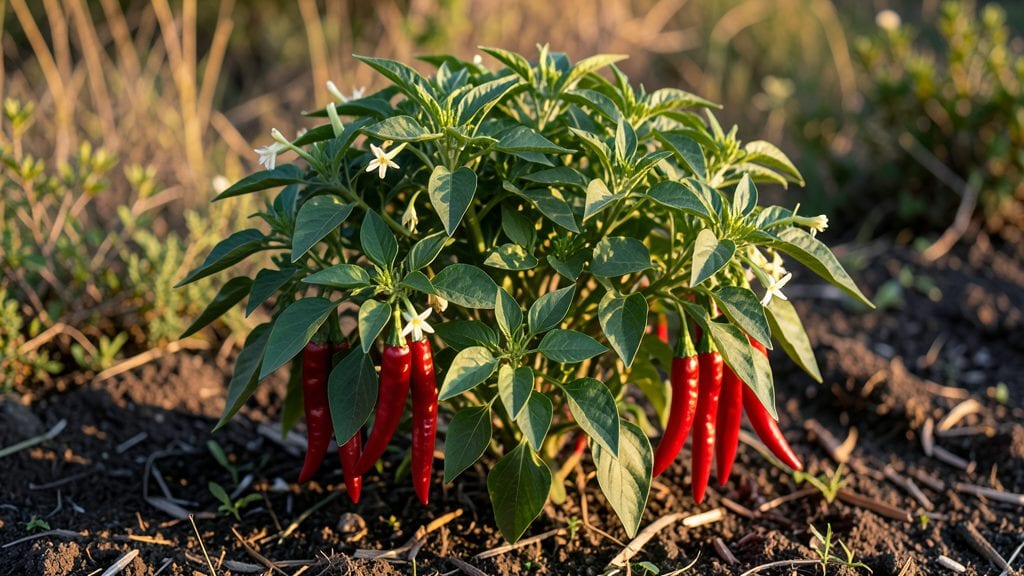
My cayenne pepper gardening journey proved that homegrown heat beats store-bought—50,000 Scoville units or more in months, not shelves. 🌶️ I learned the hard way these plants demand patience and precision, but the payoff is worth every drop of sweat.
The secret starts with choosing the right variety—whether you crave the Carolina Reaper’s mind-numbing kick or a milder jalapeño hybrid for everyday cooking.
You’ll need 5-gallon containers (or a sunny patch with well-draining soil) and a spot that gets 6-8 hours of direct sunlight daily. Cayennes hate soggy roots, so I use a mix of 50% potting soil, 30% compost, and 20% perlite to keep them thriving.
Fertilize lightly every 3-4 weeks with a balanced organic feed, and watch those plants explode with bright red, finger-length peppers by late summer.
Here’s the game-changer: hand-pollination boosts fruit set, especially in containers where bees can’t reach. Just shake the plants gently or use a small brush to transfer pollen. Prune aggressively to focus energy on peppers, not foliage, and harvest every 2-3 days to keep production going strong.
The first few peppers might be small, but they’ll pack serious heat—perfect for hot sauces or drying.
Common pitfalls? Blossom end rot (fix with calcium-rich fertilizer) and aphids (spray with neem oil). But once you master the rhythm—watering, feeding, and harvesting—you’ll have cayennes to spare. These plants prove that small spaces can grow big heat, and your kitchen (or pantry) will never be the same.
📚 In This Guide
- What you need
- Instructions
- Tips and common mistakes
- Wrapping up and next steps
What you need
- ● Cayenne pepper seeds: 5–10 seeds (or 1–2 starter plants if buying seedlings). Choose heat-loving varieties like Cayenne Long Slim or Jalapeño M for milder heat.
- ● Containers or garden bed: For containers: 5–10 gallon pots (minimum 12" deep) with drainage holes.
- ● For in-ground: A sunny spot (6+ hours of light) with well-draining soil.
- ● Potting mix: 5–10 gallons of high-quality, well-draining mix (e.g., African violet mix or cactus/succulent blend with perlite or sand).
- ● Fertilizer: Balanced organic fertilizer (10-10-10 or 5-5-5) for planting.
- ● High-phosphorus fertilizer (e.g., bone meal or fish emulsion) when flowers appear.
- ● Watering can or hose: With a gentle spray nozzle to avoid disturbing soil.
- ● Pruning shears: Sharp, sterilized shears for trimming and harvesting.
- ● Mulch (straw or shredded leaves) to retain moisture and regulate soil temp.
- ● Trellis or stakes (for bushier varieties to improve airflow).
- ● pH test kit (ideal soil pH: 6.0–7.0 for cayennes).
- ● Insecticidal soap or neem oil (for pest prevention).
- ● Grow lights (if starting indoors or in low-light areas).
Step-by-Step instructions for growing cayenne peppers in containers
Here's how I grow fiery cayenne peppers in limited space—no garden required.
🌱 Step 1: Select and Prepare Containers for Cayenne Peppers
Cayenne peppers need 5-gallon containers minimum per plant to support their vigorous root systems. I use fabric grow bags because they prevent root circling and allow excess water to evaporate through the sides. Ensure each pot has 4-6 drainage holes—poor drainage is the fastest way to lose cayenne plants to rot.
Fill the bottom 2 inches with coarse perlite or gravel to create a drainage layer. This prevents soil from clogging the holes while allowing water to escape freely. Place a piece of landscape fabric over the drainage layer to keep the potting mix from washing out.
🌱 Step 2: Plant Cayenne Seeds or Transplants
Start with seeds or 4-6 week-old seedlings from a reputable nursery. If planting seeds, sow 2-3 per container at a depth of ¼ inch—any deeper delays germination because the seedling must push through too much soil. Cover lightly with the seed-starting mix and mist gently until the surface is evenly moist.
For transplants, dig a hole twice as wide as the root ball and place the plant so the top of the root ball sits ½ inch below the soil line. This ensures stability and prevents stem rot from sitting water. Gently firm the soil around the base to eliminate air pockets but avoid compacting it.
☀️ Step 3: Provide Warmth and Full Sun Exposure
Cayenne peppers thrive in 75-85°F soil temperatures and full sun (6-8 hours daily). Place containers on a heat mat for the first 4-6 weeks to encourage strong root development. Without warmth, seedlings grow leggy and weak, struggling to support the weight of pepper pods.
Rotate pots a quarter turn weekly to prevent leaning toward the light. You'll see the stems straighten and leaves grow uniformly within a few days. If using grow lights, position them 6-12 inches above the plants and provide 14-16 hours of light daily—cayennes won’t fruit well in low light.
💧 Step 4: Water and Fertilize for Maximum Heat
Water cayenne peppers when the top 1-2 inches of soil feel dry. Overwatering causes blossom-end rot, while underwatering stunts fruit production. I use a drip irrigation system to deliver water directly to the soil, avoiding wetting the leaves—which can spread fungal diseases. Always water in the morning to allow foliage to dry before evening.
Fertilize every 2-3 weeks with a balanced, water-soluble fertilizer (10-10-10) diluted to half strength. Once flowers appear, switch to a low-nitrogen, high-phosphorus formula (5-10-10) to encourage fruiting. Stop fertilizing 4-6 weeks before harvest to allow flavors to concentrate.
✂️ Step 5: Prune and Harvest for Continuous Production
Prune cayenne plants by pinching off the first few flowers to encourage bushier growth. This ensures more branches and a higher yield of peppers. Remove any suckers (shoots growing between the main stem and branches) to direct energy into fruit production rather than foliage.
Harvest cayenne peppers when they reach 3-4 inches long and turn a deep red, orange, or yellow, depending on the variety. Use pruning shears to cut the stem just above the fruit to avoid damaging the plant. Regular harvesting stimulates more blooms and extends the growing season—you’ll see new flowers appear within 2-3 weeks of the first harvest.
Tips & tricks for perfect container-grown cayenne peppers
Growing cayenne peppers in containers is all about creating the right conditions—here's how to avoid common pitfalls and maximize your fiery harvest.
Container Size and Drainage: The 5-gallon minimum isn't just a suggestion—cayenne roots need room to spread. I've seen plants in smaller pots produce fewer peppers because their roots get crowded. For extra insurance, add 2 inches of coarse perlite at the bottom (as instructed) and consider using fabric grow bags—they prevent root circling and let excess moisture evaporate. If you notice water pooling at the bottom after watering, your drainage layer needs more perlite or additional holes.
Seedling Care in Step 2: That ¼-inch planting depth is crucial for germination. Any deeper and seedlings struggle to push through the soil, delaying growth by weeks. For best results, use a seed-starting mix that's light and airy—regular potting soil can be too dense. If you're using transplants, the ½-inch depth below soil line prevents stem rot by keeping the base dry while still anchoring the plant firmly.
Light Requirements in Step 3: The 6-8 hours of full sun is non-negotiable for cayenne peppers, but here's the secret: if you're using grow lights, position them 6-12 inches above the plants and run them for 14-16 hours daily. Many gardeners underestimate how much light these plants need—if your cayennes start looking pale or leggy, they're not getting enough. In my experience, supplementing with grow lights in cloudy weather makes all the difference in fruit production.
Fertilizer Timing: The switch from 10-10-10 to 5-10-10 when flowers appear is key for fruiting. But here's what nobody tells you: stop fertilizing 4-6 weeks before harvest to let flavors concentrate. I've seen gardeners continue fertilizing right up to harvest, and their peppers taste bland compared to those that get this final rest period. Think of it like letting wine age—it develops more complex flavors over time.
Pro Tips for Cayenne Pepper Gardening
- Growing cayenne peppers in containers is all about creating the right conditions—here's how to avoid common pitfalls and maximize your fiery harvest.
- Container Size and Drainage: The 5-gallon minimum isn't just a suggestion—cayenne roots need room to spread.
- Seedling Care in Step 2: That ¼-inch planting depth is crucial for germination.
Frequently asked questions
Got questions about growing cayenne peppers?
You’re not alone! Here are answers to the most common queries from beginner and seasoned gardeners alike.
How long does it take for cayenne peppers to mature and produce fruit?
Cayenne peppers typically take 90–120 days to mature from seed to harvest, depending on your climate and variety. If you start seeds indoors 8–10 weeks before the last frost, you’ll likely see peppers by mid-summer. In warmer regions, direct sowing can yield fruit even faster!
Why aren’t my cayenne peppers turning red or getting spicy?
Cayenne peppers need full sun (6–8+ hours daily) and consistent warmth (70°F+) to ripen properly. If they stay green or lack heat, check for:
- Insufficient sunlight (try a south-facing spot or grow lights).
- Nutrient deficiencies (feed with a balanced fertilizer like 10-10-10).
- Overwatering (let soil dry slightly between waterings).
Can I grow cayenne peppers in containers, and what size pot do I need?
Cayenne peppers thrive in containers as long as the pot is at least 12–18 inches deep and has drainage holes. Use a lightweight potting mix with added compost for drainage and nutrients. A 5-gallon container works well for one plant, and place it in a sunny spot (balcony, patio, or windowsill).
What’s the best way to protect cayenne peppers from pests like aphids or hornworms?
Prevent pests with these organic strategies:
- Neem oil spray (deters aphids and soft-bodied pests).
- Handpick hornworms (check leaves daily at dawn).
- Plant companion herbs like basil or marigolds nearby to repel bugs.
- Use row covers early in the season to block flying pests.
Are there milder alternatives to cayenne if I want less heat?
If cayenne’s heat is too intense, try these milder pepper varieties for gardening:
- Jalapeño (moderate heat, versatile for cooking).
- Banana pepper (sweet with a gentle kick).
- Poblano (earthy, mild when raw, smoky when roasted).
- Shishito (90% are nearly seedless and mild).
Wrapping up and next steps
Growing your own cayenne peppers is a rewarding journey that brings bold flavors and fiery satisfaction to your kitchen—and it’s easier than you think! Whether you’re working with containers or small spaces, these spicy gems thrive with the right care, patience, and a dash of passion. 🌱✨
Now that you’re armed with tips on soil, sunlight, and harvesting, take the next step: grab your gloves, plant those seeds, and watch your garden transform into a heat-packed paradise. Ready to spice up your harvest? Let’s grow!