Flowers
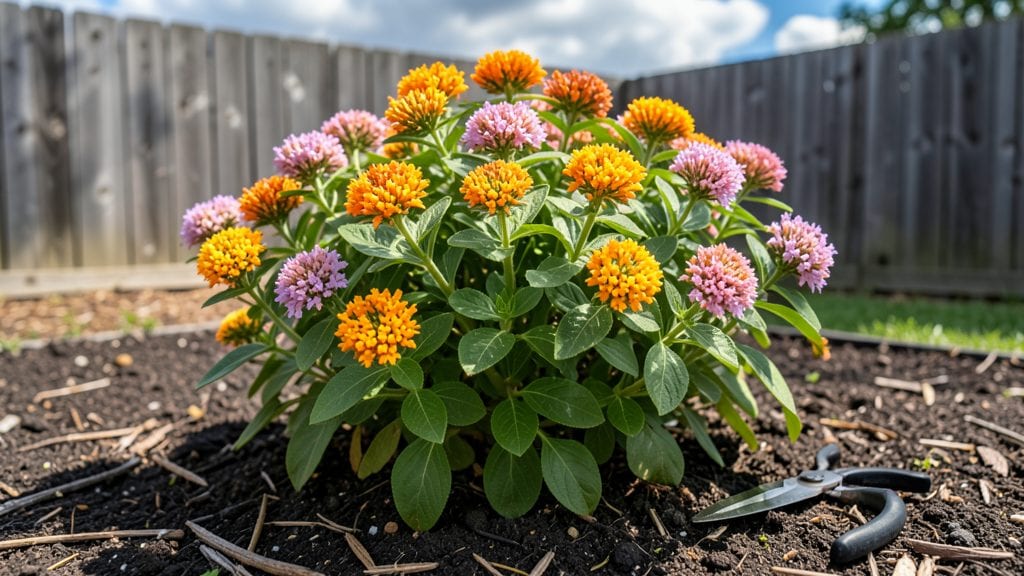
Texas flower gardening transforms your yard into a vibrant, sun-drenched oasis that thrives despite the heat. 🌻 I’ve designed borders here that burst with color from spring through fall—using plants that love our brutal summers and don’t need constant watering.
The key? Choosing drought-tolerant natives like blackfoot daisies and Texas sage that bloom reliably without fuss.
You’ll need full sun exposure, well-draining soil, and a mix of perennials that spread naturally. My favorite setup combines low-water annuals like Mexican sunflower with long-lived shrubs such as Turk’s cap. The result? A border that stays lush even when temperatures hit 100°F—no wilting, no dead zones, just nonstop beauty.
By late spring, you’ll see bold hues of red, purple, and yellow filling every inch of space. These flowers attract pollinators while requiring minimal upkeep—perfect for busy gardeners who still want a showstopping landscape. The best part? They multiply each year, creating a self-sustaining display that gets better with age.
Whether you’re starting from seed or transplanting, this approach works for any Texas climate zone. Let’s get your border blooming like never before—without the stress of high-maintenance plants.
📚 In This Guide
- What you need
- Instructions
- Tips and common mistakes
- Wrapping up and next steps
What you need
- ● Native Texas flowers: Choose drought-resistant varieties like Mexican Feather Grass (Nassella tenuissima), Blackfoot Daisy (Melampodium leucanthum), or Lantana (Lantana camara). Aim for 10–20 plants, depending on garden size.
- ● Well-draining soil: Amend native clay soil with 3–4 inches of compost or organic matter (e.g., leaf mold or aged manure).
- ● Mulch: 2–3 inches of organic mulch (e.g., pine straw or shredded bark) to retain moisture and suppress weeds.
- ● Hand trowel (for planting small flowers).
- ● Garden gloves (to protect hands from thorns or prickly plants).
- ● Pruners (bypass pruners for clean cuts).
- ● Watering can or hose with a gentle spray nozzle (for delicate blooms).
- ● Measuring tape or ruler (to space plants 12–36 inches apart, depending on variety).
- ● Drip irrigation system (to automate watering in Texas’s intense heat).
- ● Sun-loving fertilizers (e.g., low-nitrogen, high-phosphorus for blooms).
- ● Decorative rocks or borders (to define garden edges and deter pests).
- ● Bird feeders or butterfly houses (to attract pollinators and add life to your garden!).
Instructions for designing a thriving Texas flower border
Here's how to create a sun-loving border that thrives through Texas heat and humidity.
🪴 Step 1: Select Heat-Tolerant Flower Varieties for Your Border
Texas' intense sun and heat demand flowers with strong drought resistance and full sun tolerance. I always choose Lantana for its vibrant clusters, Blackfoot Daisy for its drought endurance, and Mexican Feather Grass for texture. These plants thrive in 100°F+ temperatures and require minimal water once established.
For seasonal interest, add Salvia greggii for spring blooms and Zinnias for summer color. I avoid fussy annuals like petunias—they wilt in Texas summers. Instead, focus on natives like Bluebonnets (spring) and Mexican Sunflower (fall). These selections ensure year-round color with minimal maintenance.
☀️ Step 2: Prepare the Soil for Texas Conditions
Texas soil is often heavy clay, which drains poorly and can suffocate roots. Amend the existing soil with 2-3 inches of compost and 1 inch of coarse sand per 4-inch deep planting area. This improves drainage while retaining moisture during dry spells. I test soil pH first—most Texas flowers prefer 6.2-7.0, so I add lime if needed.
For raised borders, mix equal parts native soil, compost, and perlite to create a lightweight, well-draining medium. This prevents root rot while supporting robust growth. Water the amended soil thoroughly before planting to help roots establish quickly in the heat.
🌱 Step 3: Plant with Proper Spacing for Airflow
Texas' high humidity encourages fungal diseases, so proper spacing is critical. Plant Lantana and Blackfoot Daisy 18-24 inches apart to allow airflow and prevent mildew. For Mexican Feather Grass, space plants 2-3 feet apart—they spread aggressively and need room to establish.
Dig holes twice as wide as the root ball but only as deep. This encourages roots to spread horizontally, which helps plants access moisture deeper in the soil. Water each plant deeply after placing it in the hole, then firm the soil gently to eliminate air pockets.
💧 Step 4: Establish a Watering Routine for Texas Heat
Newly planted flowers need deep watering every 2-3 days until established (about 4-6 weeks). I water in the early morning to reduce evaporation and fungal risks. Use drip irrigation or soaker hoses to deliver moisture directly to the root zone—this prevents leaf wetness that invites disease.
Once established, most Texas natives need water only once a week, depending on rainfall. Mulch with 2-3 inches of shredded bark to retain moisture and regulate soil temperature. Avoid organic mulches like grass clippings—they can attract pests in Texas' heat.
✂️ Step 5: Prune and Maintain for Continuous Blooms
Deadhead spent blooms on Lantana and Zinnias regularly to encourage new flowers. I prune back one-third of the plant after each flush of blooms—this keeps them compact and bushy. For Mexican Feather Grass, trim back brown fronds in early spring to promote fresh growth.
Fertilize lightly in early spring with a balanced 10-10-10 formula—Texas flowers don’t need heavy feeding. Over-fertilizing leads to lush foliage but fewer blooms. Watch for aphids or whiteflies, common in Texas summers, and treat with neem oil if needed.
Tips & tricks for perfect Texas flower borders
Creating a thriving Texas flower border isn't just about planting—it's about working with the climate's unique challenges. Here's what I've learned after years of trial and error in the Lone Star State's intense sun and humidity.
Heat Tolerance is Key: The 100°F+ temperatures mentioned in Step 1 are where these plants truly shine, but not all flowers handle it well. I've found that Lantana and Blackfoot Daisy actually bloom more prolifically in heat, while Salvia greggii may need afternoon shade during peak summer months. Watch for wilting in the afternoon—this is normal for some varieties and doesn't mean they're dying.
Soil Preparation Secrets: When amending soil in Step 2, I recommend mixing the 2-3 inches of compost and 1 inch of coarse sand right into the existing soil rather than just adding it on top. This creates a more uniform growing medium that roots can access easily. For raised beds, I add 1 cup of bone meal to the soil mix for extra phosphorus—it gives flowers that initial boost they need in Texas' competitive growing conditions.
Spacing Strategy: The 18-24 inch spacing for Lantana and Blackfoot Daisy in Step 3 might seem generous, but trust me—it's worth it. I've seen fungal diseases wipe out entire borders where plants were crowded. For Mexican Feather Grass, I actually space mine 3 feet apart since it spreads aggressively. This gives you room to tuck in smaller perennials like Bluebonnets later.
Watering Wisdom: The 2-3 day watering schedule in Step 4 works perfectly when you use the "soak and dry" method. Water deeply until you see moisture reaching 6 inches down**, then let the soil dry completely before watering again. This encourages deep root growth that can handle Texas' droughts. I've also found that adding 1 tablespoon of Epsom salt to each watering can boost magnesium levels, which helps flowers withstand heat stress.
Pro Tips for Texas Flower Gardening
- Creating a thriving Texas flower border isn't just about planting—it's about working with the climate's unique challenges.
- Heat Tolerance is Key: The 100°F+ temperatures mentioned in Step 1 are where these plants truly shine, but not all flowers handle it well.
- Soil Preparation Secrets: When amending soil in Step 2, I recommend mixing the 2-3 inches of compost and 1 inch of coarse sand right into the existing soil rather than just adding it on top.
Frequently asked questions
Got questions about Texas flower gardening?
You’re not alone! Whether you're a first-timer or a seasoned gardener, these answers will help you grow a thriving, sun-loving garden in the Lone Star State.
What are the best drought-tolerant flowers for Texas gardens?
Texas’ hot, dry climate calls for tough, water-wise blooms! Top picks include Blackfoot Daisy, Mexican Feather Grass, Lantana, and Blue Porterweed. These beauties thrive with minimal water and handle the heat like pros. Pro tip: Group them with native plants for a low-maintenance, eco-friendly garden!
When is the best time to plant flowers in Texas?
Timing matters! For spring bloomers (like petunias or zinnias), plant after the last frost (mid-February to early March). Fall flowers (e.g., marigolds or snapdragons) love September–October planting. Perennials (like salvia or coneflowers) can go in early spring or fall to establish roots before extreme heat. Avoid summer planting—it’s brutal!
How do I keep pests like aphids or whiteflies off my Texas flowers?
Pests hate these tricks! First, inspect plants regularly and remove infested leaves. Spray with neem oil or soapy water (1 tsp mild soap per quart of water). Introduce beneficial insects like ladybugs or lacewings. For severe cases, try horticultural oil—but always test on a small area first. Prevention tip: Healthy soil = strong plants that pests avoid!
Can I grow flowers in containers in Texas’ heat?
Use large containers (at least 12 inches deep) with well-draining soil and self-watering features (like saucers). Choose heat-lovers like portulaca, geraniums, or verbena. Water early in the morning to reduce evaporation, and add mulch to retain moisture. Bonus: Move pots to shadier spots during peak afternoon sun!
How do I create a low-maintenance Texas flower border?
Mix perennials (like blanket flower or black-eyed Susan) with annuals (e.g., lantana or zinnia) for year-round color. Use mulch to suppress weeds and retain moisture. Group plants by water needs and sunlight preferences. Design hack: Add native grasses (like muhly grass) for texture and movement with minimal effort!
Wrapping up and next steps
Texas flower gardening is all about embracing the sun, heat, and resilience of the Lone Star State while creating a vibrant, low-maintenance paradise. From drought-tolerant natives like Blackfoot Daisy to bold annuals like Mexican Sunflower, your garden can thrive with the right plant choices and care.
Whether you're a beginner or a seasoned gardener, every bloom brings you closer to a colorful, pollinator-friendly oasis—and that’s worth celebrating!
Ready to dive in? Start small—pick one section of your yard, gather your supplies, and plant with confidence. Before you know it, your Texas garden will be buzzing with life, season after season. 🌸✨