Pests
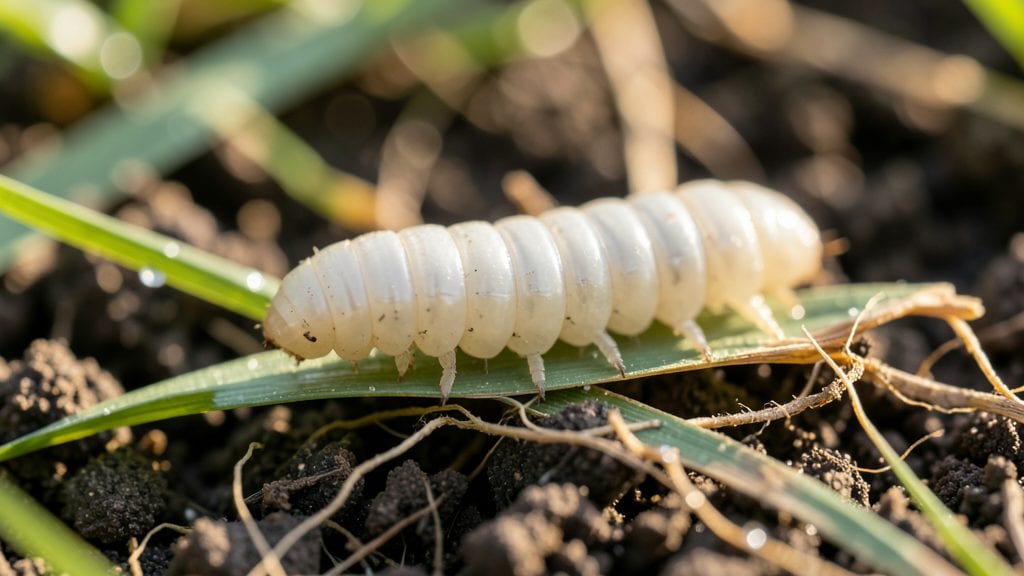
White garden grubs are the sneaky destroyers lurking beneath your lawn and garden beds, chewing through roots and turning lush grass into patchy brown. I’ve watched them turn a thriving garden into a skeleton of what it once was—until I learned how to stop them naturally.
The damage isn’t just cosmetic; these grubs can kill plants overnight if left unchecked.
These C-shaped larvae thrive in moist soil, often going unnoticed until they’ve done their damage. They’re the offspring of June bugs and other beetles, and their lifecycle means they’ll return year after year if you don’t break the cycle.
The good news? You don’t need harsh chemicals to stop them—just a few targeted, foolproof methods that work fast.
Within two weeks, you can see a dramatic turnaround with the right approach: nematodes that hunt them down, beneficial nematodes that starve them out, and simple cultural fixes like proper watering and grass types. No more guessing games—just results that protect your garden’s foundation.
Works for lawns, vegetable beds, and even potted plants where grubs hide. Let’s get your garden back to healthy roots and vibrant growth—naturally.
The Hidden Triggers Behind Grubs
White garden grubs—those squirming, C-shaped larvae—don’t just appear out of nowhere. Their invasion is the result of a mix of environmental conditions, plant choices, and even human habits. Understanding why these pests thrive in your yard is the first step to stopping them before they chew through your lawn roots.
Let’s dig into the science behind their sudden appearance.
Grubs love soil that’s too moist or densely packed—think of it as their all-you-can-eat buffet. Here’s why:
- Excess moisture: Grubs need oxygen, but soggy soil forces them to burrow deeper, where they’re protected from predators and pesticides. Overwatering (especially in clay-heavy soil) creates the perfect underground hideout.
- Compacted turf: Heavy foot traffic, machinery, or poor drainage compresses soil, making it harder for beneficial microbes and fungi to thrive. Grubs, however, love this environment because it’s easier for them to munch on roots without competition.
- Thatch buildup: A thick thatch layer (dead grass and debris) traps moisture and blocks sunlight, creating a dark, humid microclimate—ideal for grub eggs to hatch and larvae to grow.
Actionable fix: Test your soil’s drainage (dig a 6-inch hole; if water pools after 6 hours, you’ve got poor drainage). Aerate compacted lawns in fall or spring to loosen soil and encourage root growth.
Healthy grass repels grubs naturally, but stressed plants send out distress signals that attract female beetles to lay eggs. Here’s what makes your lawn a grub magnet:
- Poor nutrition: Grass lacking nitrogen, phosphorus, or potassium grows slowly and develops weak roots—easy targets for grubs. Beetles detect these nutrient-deficient patches and choose them for egg-laying.
- Disease or pest damage: Fungal infections (like brown patch) or previous insect attacks (e.g., chinch bugs) weaken grass, making it more susceptible to grub feeding. A compromised lawn is like an open invitation.
- Shady or thin areas: Grubs prefer cool, damp conditions. Shady spots or thin turf (from poor seeding or wear) create microclimates where grubs thrive while predators like birds or toads avoid them.
Actionable fix: Conduct a soil test to check nutrient levels. Fertilize with a balanced formula (like 10-10-10) in early fall to strengthen grass before beetles arrive. Mow high (3–4 inches) to promote deep roots.
Grubs are the larvae of beetles—most commonly Japanese beetles, June bugs, or European chafer—and their life cycle is tightly linked to adult beetle activity. Here’s how they take over:
- Adult beetles seek out lush lawns: In late spring/early summer, female beetles fly to grassy areas with soft, moist soil to lay eggs (up to 60 eggs per beetle!). They target lawns with clover, alfalfa, or newly seeded grass, which they mistake for fertile egg-laying sites.
- Warm, humid weather: Beetles thrive in temperatures above 70°F (21°C) and high humidity. A sudden heatwave or tropical storm can trigger a mass egg-laying event, leading to a grub explosion in 4–6 weeks.
- Lack of natural predators: Birds, moles, and parasitic wasps keep grub populations in check. But if your yard lacks diverse wildlife (e.g., no bird feeders or hedgerows), grubs multiply unchecked.
Actionable fix: Install grub-resistant grass varieties like tall fescue or Kentucky bluegrass. Plant native flowers (e.g., marigolds, daisies) to attract beetle predators. If you spot adult beetles, handpick them or use a drop cloth to trap them at dusk.
Grubs don’t strike randomly—they follow a predictable schedule tied to seasonal changes. Missing these windows makes control nearly impossible:
| Season | Grub Activity | Why It Matters |
|---|---|---|
| Late Spring/Early Summer | Adult beetles emerge, lay eggs (2–4 inches deep). | Eggs hatch in 2–4 weeks; larvae feed on roots for 4–6 weeks before pupating. |
| Summer | Grubs grow rapidly, causing visible lawn damage (brown patches, easy uprooting). | This is peak feeding time—if you act now, you can starve them out. |
| Fall | Grubs pupate into beetles; adults overwinter in leaf litter or soil. | Fall is the best time to treat, as pupae are vulnerable to pesticides. |
Actionable fix: Monitor your lawn in May–June for beetle activity. If you see skunks or raccoons digging, grubs are already present. Apply treatments (like milky spore or nematodes) in early fall to target pupating grubs.
Natural Ways to Eliminate Garden Invaders
Now that you understand why those pesky white grubs are wreaking havoc on your lawn, it’s time to roll up your sleeves and tackle them—without resorting to harsh chemicals.
Below, we’ve mapped out targeted solutions based on the root cause of your infestation, along with prevention tips to keep them from returning. These methods are effective, eco-friendly, and easy to implement—even for beginners!
When you spot wilted patches, chewed roots, or squirrels digging up your yard, the grubs are already feasting. Act quickly with these high-impact fixes:
🍳 Step 1: Handpick & Dispose (Best for Small Areas)
- When to use: Early detection (small, isolated patches).
- How to do it:
- Water the lawn lightly in the early morning (grubs rise to the surface).
- Use a garden fork or trowel to flip over sod in infested areas.
- Scoop out grubs (they’ll look like creamy white, C-shaped larvae).
- Drop them into a soapy water bucket (1 tbsp dish soap + water) to kill them instantly.
- Pro tip: 💡 Do this before dusk—birds and moles will also be hunting for grubs!
👨🍳 Step 2: Use Beneficial Nematodes (Safe & Long-Lasting)
- Why it works: Microscopic nematodes (Heterorhabditis bacteriophora) infect and kill grubs naturally.
- How to apply:
- Buy nematode packets (available at garden centers).
- Mix with water (follow package instructions) and apply with a sprayer on a cool, cloudy evening (they’re sensitive to sunlight).
- Water lightly afterward to help them penetrate the soil.
- Best for: Large lawns or preventive treatment (reapply every 4-6 weeks in grub season).
🥘 Step 3: Apply Milky Spore (Organic & Preventative)
- Why it works: A bacteria-based treatment (Bacillus popilliae) that builds up in the soil over time, reducing grub populations by 90%+ in 2-3 years.
- How to use:
- Purchase milky spore powder (e.g., GrubOut).
- Mix with water and apply with a sprayer in early spring or fall.
- Water deeply afterward to activate the spores.
- Pro tip: 🌡️ Best in warm climates (works best in zones 6-9).
Not instant—requires patience!
Persistent grubs? Your lawn might be a grub buffet due to overwatering, poor drainage, or excess nitrogen. Fix these environmental triggers to starve them out:
⏰ Step 1: Adjust Watering Schedule (Grubs Hate Dry Soil)
- Problem: Overwatering keeps soil soft and inviting for grubs.
- Solution:
- Water deeply but less frequently (1-1.5 inches per week).
- Avoid evening watering (grubs rise at night to feed—reduce their access).
- Let the top 2 inches of soil dry out between waterings.
🌱 Step 2: Improve Soil Drainage (Grubs Suffocate in Wet Areas)
- Problem: Compacted or clay-heavy soil traps moisture, creating grub paradise.
- Fix:
- Aerate your lawn in early fall (rent a core aerator or use a manual fork).
- Mix in compost or sand to improve drainage.
- Plant deep-rooted grasses (like tall fescue) to compete with grubs.
🎯 Step 3: Use Diatomaceous Earth (DE) as a Barrier
- Why it works: Food-grade DE is a natural abrasive that dehydrates grubs on contact.
- How to apply:
- Sprinkle DE lightly over the lawn (avoid thick layers—it can harm beneficial insects).
- Reapply after rain (it loses effectiveness when wet).
- Best for: Preventing new infestations (not a cure for existing grubs).
Once you’ve kicked the grubs out, lock them out with these low-effort habits:
- 💡 Mow high (3-4 inches) to stress grubs (they thrive in short, tender grass). - 🌿 Plant grub-resistant grasses like ryegrass or buffalo grass (less appealing to Japanese beetle larvae). - 🐞 Encourage natural predators—birds, toads, and moles love grubs!
Leave some leaf litter or install a birdbath. - 🍂 Rake up thatch (grubs hide in thick layers—keep your lawn clean and airy). - 📅 Treat in early spring (April-May) before eggs hatch (use nematodes or milky spore).
Final Thought: 🚀 Grubs don’t stand a chance when you combine immediate action (handpicking, nematodes) with long-term prevention (soil health, water control). Stick with these methods, and you’ll have a thriving, grub-free lawn in no time!
Frequently asked questions
What do white garden grubs look like up close?
These pests are creamy white, legless larvae with a distinctive C-shaped body, about 1/2 to 1 inch long. Their smooth, plump appearance makes them easy to spot if you dig up infested soil. Look for them clustered around plant roots or buried 1-3 inches deep in moist areas.
Are white grubs harmful to my vegetable garden?
Absolutely—they’re destructive to both lawns and gardens! These larvae chew through roots of tomatoes, carrots, and other crops, causing wilting or sudden plant death. Young seedlings are especially vulnerable, so check soil near struggling plants for signs of their activity.
How can I tell if skunks are digging up my lawn for grubs?
Skunks leave unmistakable signs: large, ragged holes (6+ inches wide) with scattered soil, often near sidewalks or garden edges. You might also spot their strong odor or see them digging at dusk. This is a clear indicator of a severe grub infestation!
Will nematodes work if my soil is too dry?
No—nematodes need moist conditions to survive and hunt grubs. Apply them during cool evenings and water lightly afterward. Avoid treating during droughts or when soil is frozen. For dry climates, use milky spore instead—it’s more drought-tolerant.
Can I use coffee grounds to repel white grubs?
Coffee grounds won’t kill grubs directly, but they can improve soil health and deter some beetles. Mix them into compost piles or spread lightly around plants to boost microbial activity. For better results, combine with beneficial nematodes or diatomaceous earth.