Advice
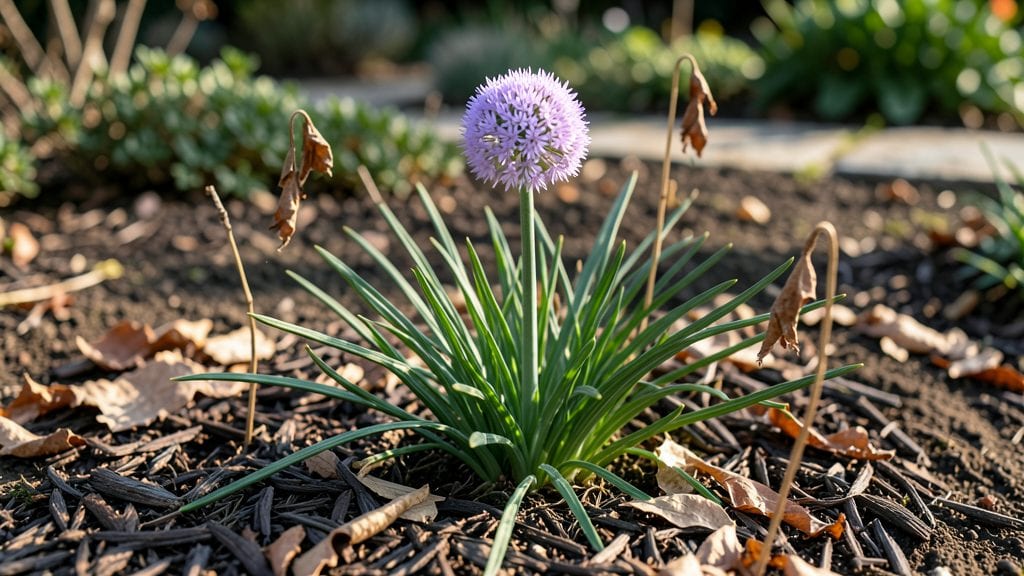
Leaving leaves on garden beds can be beneficial as they act as natural mulch, preserving moisture and enriching soil with organic matter—but remove them if they're diseased or infested. Shredding leaves first speeds up their breakdown and maximizes nutrient absorption.
Leaving foliage in place transforms your garden into a self-sustaining ecosystem. 🌿 When left intact, leaves break down slowly, creating a protective layer that regulates soil temperature while suppressing weeds. This process also encourages beneficial microbes to thrive, which in turn boosts plant growth.
However, thick layers can smother plants or attract pests, so balance is key—especially in humid climates where fungal spores may spread.
For optimal results, I recommend shredding leaves before spreading them. This increases surface area, allowing them to decompose faster and release nutrients more efficiently. You can also use them to create nutrient-rich leaf mold, which is ideal for improving clay-heavy soils.
Just avoid using leaves from trees treated with pesticides or those showing signs of disease.
💡 In This Article
- How Mulched Leaves Boost Soil Fertility
- When to Remove Leaves from Garden Beds
How mulched leaves boost soil fertility
When leaves decompose on garden beds, they kickstart a microbial party in the soil. The process begins with fungi and bacteria breaking down cellulose and lignin—the tough structural components of leaves—into simpler compounds. This microbial activity releases nutrients like nitrogen, phosphorus, and potassium, which plants can absorb.
Over time, this creates a slow-release fertilizer that improves soil structure and fertility. A 3-inch layer of mulched leaves can add up to 20 pounds of organic matter per 100 square feet annually, transforming compacted soil into a fluffy, fertile growing medium.
The decomposition speed varies dramatically between whole and shredded leaves. Whole leaves form a thick mat that decomposes slowly, taking 1-2 years to break down completely. Shredded leaves, however, decompose in just 6-12 months because their increased surface area exposes more fibers to microbial attack.
This faster breakdown releases nutrients sooner, giving plants a quicker boost. The texture difference also matters—whole leaves create a coarse, spongy layer that retains moisture better, while shredded leaves blend more seamlessly into the soil.
Beyond nutrient release, mulched leaves play a crucial role in carbon sequestration. As leaves decompose, they store carbon in the soil, reducing atmospheric CO₂ levels.
A single tree can drop 200-300 pounds of leaves annually, and when properly mulched, these leaves can sequester up to 20% of their carbon content in the soil over time. This process also improves soil water retention by 30-50%, reducing irrigation needs while protecting roots from temperature extremes.
The result? Healthier plants that require less maintenance and produce higher yields.
Leaf mulch also acts as a natural erosion barrier. The fibrous mat created by leaves slows rainwater runoff, preventing soil particles from washing away. In areas with heavy rainfall, this can reduce erosion by up to 70% compared to bare soil.
The protective layer also suppresses weeds by blocking sunlight, which means fewer weeds compete with your plants for nutrients. For example, a 4-inch layer of mulched leaves can reduce weed growth by 80-90% in the first growing season.
One key factor often overlooked is the role of leaf litter in creating a balanced soil microbiome. The decomposition process supports diverse microbial communities, including beneficial fungi like mycorrhizae that form symbiotic relationships with plant roots.
These fungi help plants absorb water and nutrients more efficiently, creating a virtuous cycle of soil health. Studies show that gardens with leaf mulch have 20-30% more microbial diversity than those without, leading to more resilient plant growth.
For best results, consider layering leaves with other organic materials like grass clippings or compost. This creates a more balanced decomposition environment, preventing the soil from becoming too acidic.
A good rule of thumb is to maintain a 2-3 inch layer of mulch—thicker layers can mat down and suffocate plants, while thinner layers may not provide enough protection. 🌱