
Watering
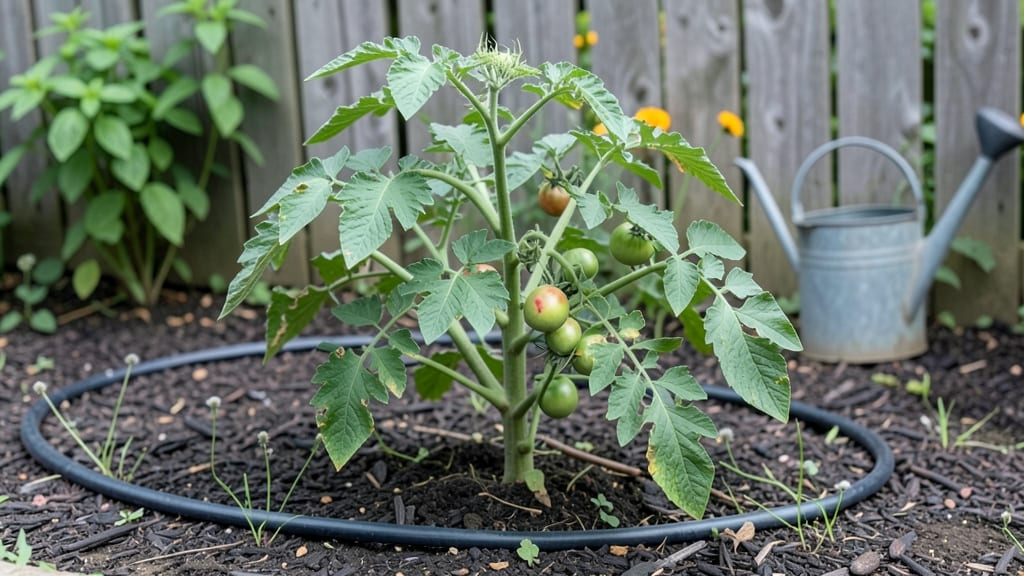
When’s the best time to water a garden?—morning is the golden window for most plants, where roots thrive and leaves stay perky 🌱.
Struggling to keep your garden thriving? The perfect watering time can make the difference between lush plants and wilting leaves—here’s the science-backed routine every gardener needs.
Most gardeners assume evening watering is best, but early morning—before 10 AM—lets roots soak up moisture without wasting it to evaporation or inviting fungal diseases.
Below, I break down the ideal schedule by plant type, how to adjust for heat or drought, and the one mistake that kills even well-watered gardens.
Why morning watering boosts plant growth and reduces disease
I’ve spent years experimenting with watering schedules, and the biggest game-changer? Morning watering. When you water your garden between 6 AM and 10 AM, you’re not just following a routine—you’re giving your plants a physiological advantage that evening watering simply can’t match.
Cooler temperatures mean less evaporation, while sunlight helps dry foliage quickly, reducing fungal diseases like powdery mildew and black spot. This isn’t just guesswork—it’s rooted in how plants absorb water and perform photosynthesis most efficiently.
The secret lies in root activity. Plants absorb water most actively in the early morning, when temperatures are mild and roots aren’t stressed by heat. This deep hydration encourages stronger root development, which translates to healthier, more resilient plants.
Plus, morning watering gives leaves time to dry completely before evening humidity sets in—a critical factor for preventing bacterial and fungal infections. If you’ve ever struggled with wilting leaves or mysterious plant diseases, the fix might be as simple as shifting your watering clock.
Here’s the science: Photosynthesis peaks when plants have access to water before the sun reaches its highest intensity. Morning watering ensures leaves are plump and ready to convert sunlight into energy. Without proper hydration, plants waste energy trying to recover from drought stress instead of growing.
Think of it like giving your garden a daily recharge—starting the day with a drink of water sets the stage for maximum growth and minimum stress.
Another often-overlooked benefit? Water conservation. When you water in the morning, up to 30% less water evaporates compared to midday or evening sessions. This means your hose or irrigation system works more efficiently, and you’re not wasting precious resources.
For gardeners in drought-prone areas, this can be the difference between a thriving garden and one struggling to survive. Even in humid climates, morning watering reduces the risk of leaf scorch and root rot by preventing prolonged moisture on foliage.
Let’s talk about disease prevention. Wet leaves at night create the perfect breeding ground for pathogens like Phytophthora and Botrytis. When you water in the morning, leaves dry within hours, denying fungi and bacteria the moisture they need to spread.
I’ve seen gardens go from battling powdery mildew weekly to staying disease-free for months just by adjusting their watering time. It’s a simple habit with huge payoffs for plant health.
Now, I know what you’re thinking: “But what if I can’t water in the morning?” Don’t worry—even a short shift from evening to late afternoon (before 4 PM) offers some benefits. However, morning watering remains the gold standard for most plants.
The key is consistency: stick to the same time daily so your plants develop reliable hydration habits. Overwatering at night or midday can undo all the good morning watering does, so timing truly matters.
Here’s a pro tip: Pair morning watering with mulch. A 2-3 inch layer of organic mulch (like straw or wood chips) helps retain moisture longer, reducing the frequency of watering while keeping roots cool.
Together, these two practices create an ideal growing environment—one that mimics nature’s water cycle. Mulch also suppresses weeds, so you’re tackling two garden challenges at once.
Let’s break down the best practices for morning watering in a quick reference table to keep it simple:
For container gardens, morning watering is even more critical because pots dry out faster.
Water your potted plants early in the morning and check soil moisture by sticking your finger 1 inch deep—if it’s dry, it’s time to water. Self-watering containers can help maintain consistency, but nothing beats the natural rhythm of morning hydration for most plants.
I’ve seen herbs like basil and vegetables like tomatoes thrive with this routine, producing larger yields and fewer pests.
If you’re still skeptical, try this experiment: Divide your garden into two sections. Water one half in the morning and the other in the evening for 4 weeks. Track differences in growth rate, leaf health, and pest presence.
You’ll likely notice the morning-watered section outperforms the evening one in every category. The science is clear, and my years of gardening prove it—morning watering isn’t just a tip; it’s a game-changer for any garden.
So grab your watering can or set your irrigation timer for before 10 AM, and watch your garden transform. Your plants will thank you with stronger roots, healthier foliage, and fewer headaches from diseases.
It’s one of the simplest ways to maximize growth while minimizing effort—and that’s a win-win in any gardener’s book. 🌱
Best morning watering schedule by plant type and climate
Morning watering isn’t just a routine—it’s a game-changer for your garden’s health. The right timing ensures roots absorb moisture efficiently while minimizing waste and disease risks. But not all plants thrive on the same schedule.
Succulents, for example, need far less frequent watering than leafy greens, and a hot desert climate demands different care than a humid tropical zone. Let’s break down the ideal morning watering times tailored to your garden’s unique needs.
Climate plays a huge role in determining the best watering window. In arid regions, morning watering prevents rapid evaporation, while in humid climates, it reduces fungal spores from lingering on wet foliage.
Seasonal shifts also matter: summer heat may require earlier watering, while winter dormancy calls for a lighter touch. By aligning your schedule with these factors, you’ll see stronger roots, healthier foliage, and less water waste.
- Succulents & Cacti (Arid Climates): Water every 2-3 weeks at 6-8 AM—soak deeply but infrequently to mimic desert conditions.
- Leafy Greens (Cool Climates): Water daily at 6-8 AM for consistent moisture; avoid wetting leaves to prevent mildew.
- Tropical Plants (Humid Climates): Water every morning at 7-9 AM, focusing on soil—not leaves—to reduce fungal risks.
- Herbs (Mediterranean Climates): Water every 2-3 days at 5-7 AM; shallow roots need frequent, light hydration.
- Fruit Trees (All Climates): Deep water weekly at 6-8 AM to encourage root growth; adjust for drought or heavy rain.
- Seasonal Adjustments: In summer, water earlier (5-7 AM) to beat heat; in winter, reduce frequency by 50%.
For succulents and cacti, overwatering is the #1 killer. These drought-lovers store water in their leaves, so a deep soak every 2-3 weeks at dawn is ideal. Use a drip irrigation system to deliver water directly to the soil, avoiding splash onto spines.
In contrast, leafy greens like lettuce or spinach need consistent moisture—water them lightly every morning to keep the top inch of soil damp. A soaker hose works wonders here, delivering water slowly without disturbing roots.
If you live in a humid climate, morning watering is non-negotiable. Wet foliage at night creates the perfect breeding ground for powdery mildew and other fungi. Aim to water by 9 AM to give leaves time to dry before evening humidity sets in.
For tropical plants like hibiscus or bird-of-paradise, focus on the soil rather than the leaves—this keeps them lush without inviting pests. In arid regions, watering early prevents evaporation, but mulch heavily to retain moisture.
Don’t forget to adjust your schedule with the seasons. During summer’s peak heat, water before 7 AM to reduce evaporation and stress on plants. In fall and winter, cut back by 30-50% unless you’re growing cold-hardy crops like kale or Brussels sprouts.
A simple trick? Stick your finger in the soil—if it’s dry up to 1 inch deep, it’s time to water. If it’s still damp, wait another day.
Pro tip: Pair your morning watering with a quick soil check. Press your finger into the dirt—if it feels like a sponge, you’re overwatering; if it’s bone-dry, increase frequency. With this tailored approach, your garden will thrive year-round, no matter the climate or plant type. 🌱