Container Gardens
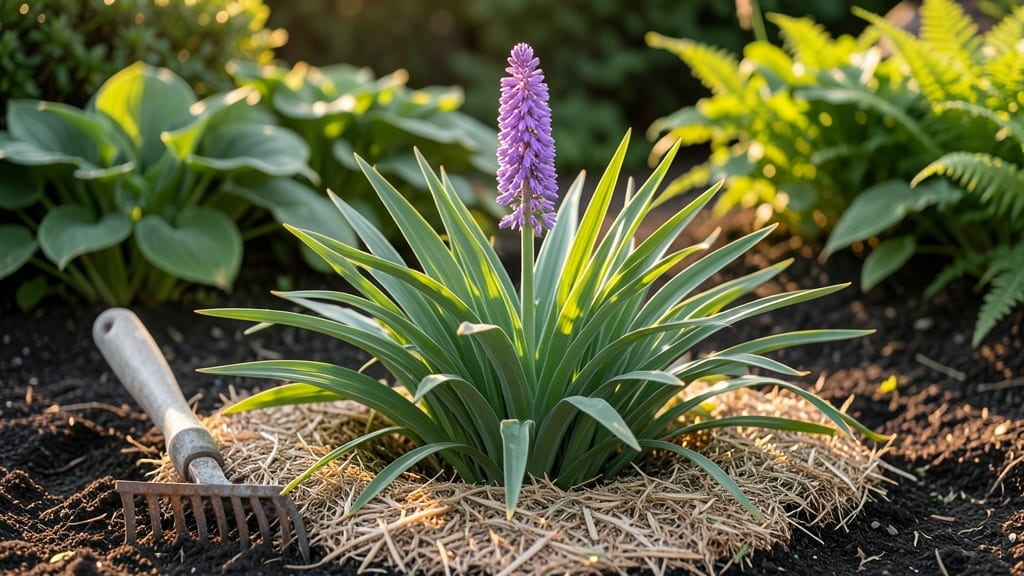
Using sawdust in garden beds enhances soil structure and fertility, but it requires proper preparation—always compost or age it first to avoid nitrogen depletion and fungal issues. Apply it judiciously as a mulch or soil conditioner for optimal results.
Fresh sawdust is actually a double-edged sword in gardening because its high carbon content can starve soil microbes of nitrogen, slowing plant growth. 🌱 The key is using well-aged or composted sawdust, which breaks down slowly and feeds beneficial fungi instead.
I've found hardwood sawdust works best for most plants, while softwood varieties should be avoided due to their higher resin content and slower decomposition. For container gardens, mix it sparingly into the soil—never more than 10% by volume—to maintain proper aeration and moisture balance.
When using sawdust as mulch, spread it thinly (about 1/4-inch layer) over moist soil to prevent clumping. This helps retain moisture while gradually enriching the soil as it decomposes.
For acid-loving plants like blueberries or azaleas, sawdust can be especially beneficial, but neutral-soil plants may need additional nitrogen sources like composted manure to balance the carbon-rich amendment.
💡 In This Article
- How Sawdust Impacts Soil Chemistry and Microbial Life
- Best Practices for Adding Sawdust to Garden Soil
How sawdust impacts soil chemistry and microbial life
Fresh sawdust is primarily composed of cellulose and lignin—complex carbon compounds that break down slowly. When added to soil, it creates an extreme carbon-to-nitrogen (C:N) ratio imbalance, typically ranging from 400:1 to 800:1 in hardwoods and even higher in softwoods.
For comparison, healthy garden soil maintains a balanced 20:1 to 30:1 ratio. This imbalance forces soil microbes to compete for available nitrogen, often leading to nitrogen depletion in plants which show stunted growth or yellowing leaves.
The decomposition process also favors certain microbes over others. Fresh sawdust promotes fungal dominance (like mycorrhizae) while suppressing beneficial bacteria that fix nitrogen. Hardwood sawdust, with its 30-60 day decomposition window, creates a slower-release carbon source that gradually feeds soil organisms.
Softwood varieties, however, contain more resins and volatile oils that can inhibit microbial activity and even repel earthworms—critical for soil aeration.
Composting transforms sawdust into a valuable amendment by breaking down these complex compounds. During composting, the C:N ratio drops dramatically to 20:1 to 40:1 through microbial activity, creating a more balanced organic matter.
The resulting material supports both bacteria and fungi, including mycorrhizal fungi that form symbiotic relationships with plant roots, enhancing nutrient uptake. I've noticed that composted sawdust also improves soil aggregation, increasing water retention by up to 30% compared to untreated soil.
Here's what happens when you use untreated sawdust directly: The high carbon content ties up nitrogen in the soil, creating what gardeners call a "hunger spell" where plants struggle to access nutrients. This effect is most pronounced in nitrogen-sensitive crops like tomatoes and peppers.
The good news is that pre-composted sawdust actually improves soil structure by increasing porosity—ideal for container gardens where drainage is critical.
For fungal-loving plants like mushrooms or certain orchids, fresh sawdust can be beneficial when used as a growing medium. The acidic byproducts (pH 5.5-6.5) from decomposition create an ideal environment. However, for most vegetables and flowering plants, the risk of nitrogen depletion outweighs the benefits unless properly aged.
The key is patience—it takes 6-12 months for sawdust to fully integrate into soil without causing imbalances.
What most gardeners don't realize is that sawdust affects soil chemistry differently based on wood source. Cedar sawdust, for example, contains natural fungicides that can suppress unwanted pathogens, while oak sawdust releases tannins that improve soil structure.
Always source sawdust from untreated, chemical-free wood to avoid introducing toxins into your garden ecosystem. 🌿