
Watering
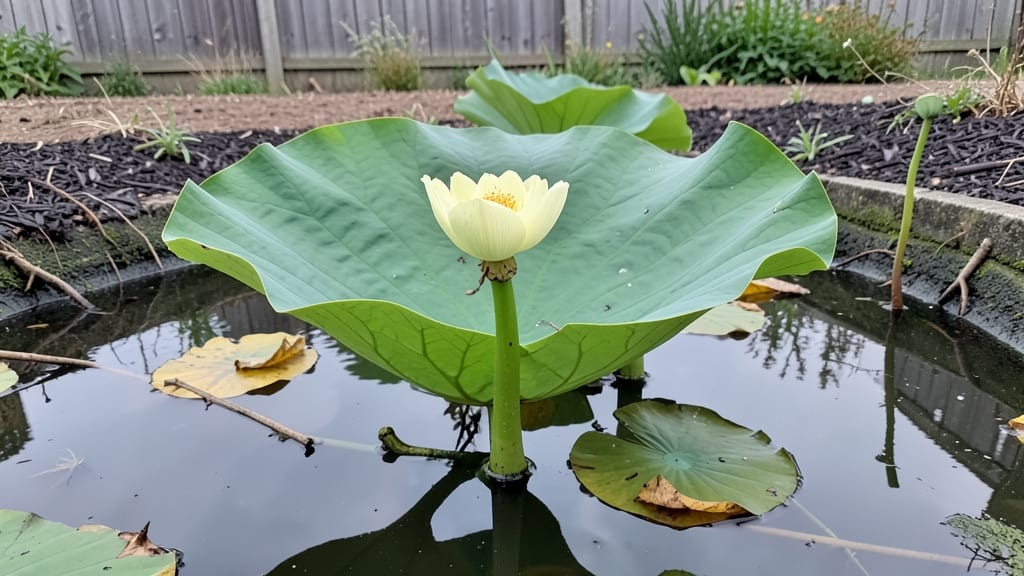
A water lily garden transforms any pond into a tranquil escape where nature's artistry unfolds daily. 🌿 I remember the first time I saw my pond covered in velvety blooms—it felt like stepping into a secret garden where time slowed down.
The key lies in balancing lilies with the right pond size, depth, and surrounding plants to create harmony rather than chaos.
Start with a pond at least 18 inches deep—enough to accommodate hardy lilies while keeping maintenance simple. Pair tropical varieties like 'Marliacea' with native plants such as cattails or iris to frame the lilies beautifully.
Lighting along the edges at dusk adds magic, while a few strategically placed stones or a small bridge invites you to linger by the water.
By summer, your pond will burst with color—deep purples, sunny yellows, and pristine whites floating like living art. The fragrance of evening blooms and the gentle rustle of leaves create a sensory experience that turns your backyard into a peaceful retreat.
This isn't just a garden; it's a sanctuary designed to soothe and inspire.
Works for any space, from a small backyard koi pond to a sprawling naturalistic wetland. The secret? Let the lilies lead while you fill in the details around them. Here's how to make it happen without overcomplicating things.
📚 In This Guide
- What you need
- Instructions
- Tips and common mistakes
- Wrapping up and next steps
What you need
- ● Water lilies: 3–5 hardy varieties (e.g., Nymphaea spp.) per 10 sq. ft. of pond surface. Choose tropical (winter-kill) or hardy (cold-resistant) types.
- ● Pond plants: 1–2 blue flag iris or pickerelweed for depth
- ● 3–5 water hyacinths or lotus for contrast
- ● Pond liner: 30–60 mil EPDM rubber or PVC (size based on pond depth/width).
- ● Gravel/sand: 2–3 inches of 1/4-inch washed gravel for root zones.
- ● Fertilizer: Slow-release aquatic plant tabs (e.g., Aquascape or Miracle-Gro Pond Care).
- ● Water: Dechlorinated (use pond dechlorinator if tap water is used).
- ● Shovel & rake: For digging and leveling.
- ● Measuring tape & string: To mark pond edges.
- ● Garden hose: With adjustable nozzle for filling.
- ● Planting baskets: 6–12-inch diameter (1 per lily, based on size).
- ○ Water test kit: Optional but helpful for pH/alkalinity checks (ideal: pH 6.5–7.5).
- ● Floating pond lights for evening ambiance.
- ● Decorative rocks or driftwood for aesthetics.
- ● Pond aerator to maintain oxygen levels.
- ● Fish (e.g., goldfish or koi) to enhance the ecosystem.
Step-by-Step guide to creating a stunning water lily garden
Here's how to transform your pond into a tranquil oasis with floating water lilies.
🪴 Step 1: Prepare the Pond for Planting
Start by ensuring your pond has at least 18-24 inches of water depth—water lilies need room for their rhizomes to spread. I like to clear out any debris first, then add a layer of pond liner if your pond isn't already lined. This keeps roots contained and prevents leaks. For a natural look, place a few pond rocks along the edges to create subtle transitions between water and land.
If your pond has fish or other aquatic life, avoid using chemical treatments—stick to manual removal of leaves and algae. The goal is a clean, stable environment where lilies can thrive without competition. Test the water pH to ensure it's between 6.0 and 7.5—most water lilies prefer slightly acidic to neutral conditions.
🌱 Step 2: Plant Water Lily Rhizomes Correctly
Water lilies arrive as rhizomes, which are thick, horizontal roots with buds. Plant them in pond baskets with mesh sides to keep roots contained while allowing water to circulate freely. Fill each basket halfway with aquatic planting mix—this lightweight soil helps anchor the rhizome without sinking too fast.
Place the rhizome on top of the mix with the buds facing upward. Cover it with just enough soil to hold it in place but leave the buds exposed. This ensures they can sprout without being buried too deep. For 4 plants, use 4 baskets spaced evenly around the pond’s edges. The baskets should sit just below the water’s surface at planting time—they’ll rise as the plants grow.
☀️ Step 3: Position for Optimal Sunlight and Growth
Water lilies need 6-8 hours of direct sunlight daily to produce vibrant blooms. Place the planted baskets in the shallowest areas of the pond—this is where sunlight penetrates most effectively. If your pond has deeper sections, you can place additional baskets there for hardy varieties, but start with the shallower spots for best results.
Watch for the first signs of growth—tiny green shoots will emerge from the buds within 2-4 weeks. As the plants grow, their leaves will spread outward, creating a natural canopy. Avoid overcrowding by spacing baskets at least 18 inches apart—this gives each plant room to develop fully without competing for nutrients.
💧 Step 4: Maintain Water Quality and Encourage Blooms
Water lilies are heavy feeders, so fertilize them every 4-6 weeks during the growing season using slow-release aquatic plant tabs. Press one tab into the soil around each rhizome at planting time, then add another in early summer. This ensures a steady supply of nutrients without overloading the water.
Keep an eye on water clarity—lilies naturally filter debris, but you may need to skim off floating leaves occasionally. If the water becomes murky, reduce feeding slightly or add a barley straw to the pond to improve clarity naturally. In late fall, when blooms fade, trim back dead foliage but leave the rhizomes in place—they’ll overwinter and sprout fresh growth in spring.
✂️ Step 5: Divide and Expand Your Garden Over Time
Every 2-3 years, water lilies need dividing to prevent overcrowding. Lift the rhizomes from their baskets in early spring before new growth begins. Use a sharp knife to separate the rhizome into sections, ensuring each piece has at least 2-3 buds. Replant the divisions in fresh baskets with new aquatic soil to give them a strong start.
This is also a great time to experiment with different varieties—try mixing tropical and hardy lilies for year-round interest. Just remember, tropical lilies need warmer water and may not survive winter in colder climates. With proper care, your water lily garden will flourish, turning your pond into a serene, blooming paradise.
Tips & tricks for perfect water lily garden
Creating a stunning water lily garden takes patience and attention to detail—here's what I've learned to ensure your pond becomes a thriving aquatic paradise.
Sunlight Strategy: The 6-8 hours of direct sunlight mentioned in Step 3 is non-negotiable for vibrant blooms. If your pond gets partial shade, consider placing baskets in the sunniest spots first and monitor growth closely. I've seen lilies struggle in areas with less than 5 hours of sunlight—they'll grow leaves but rarely bloom. Position baskets where sunlight hits strongest between 10 AM and 4 PM for best results.
Rhizome Placement Precision: In Step 2, when planting those 4 rhizomes, I can't stress enough how important proper depth is. The buds should be just below the water's surface at planting—this means the baskets should be placed where water depth is about 12-18 inches. Too deep and the buds won't sprout; too shallow and they'll dry out. Use a clear ruler to measure water depth before positioning baskets.
Fertilization Timing: The 4-6 week fertilization schedule in Step 4 works beautifully, but here's the secret: time it with the growing season. Start fertilizing when you see those first green shoots (around 2-4 weeks after planting) and continue through early fall. I've found that stopping fertilization in late summer prevents excessive growth that might not survive winter in colder climates.
Winter Preparation: When trimming back dead foliage in fall (Step 4), leave about 2 inches of stem attached to the rhizome. This acts as a natural insulator during winter and helps protect the buds. In colder regions, you might want to move baskets to deeper water where temperatures stay more stable, especially if you're growing tropical varieties.
Pro Tips for Water Lily Garden
- Creating a stunning water lily garden takes patience and attention to detail—here's what I've learned to ensure your pond becomes a thriving aquatic paradise.
- Sunlight Strategy: The 6-8 hours of direct sunlight mentioned in Step 3 is non-negotiable for vibrant blooms.
- Rhizome Placement Precision: In Step 2, when planting those 4 rhizomes, I can't stress enough how important proper depth is.
Frequently asked questions
Got questions about creating your dream water lily garden?
Here are answers to the most common ones to help you dive in with confidence!
How deep should my pond be for water lilies?
Most water lilies thrive in 12–18 inches (30–45 cm) of water. Tropical varieties (like Nymphaea lotus) prefer deeper water (18–24 inches), while hardy types (like Nymphaea alba) do well in shallower ponds (6–12 inches). Always check the specific plant’s care tag!
When is the best time to plant water lilies?
Plant in early spring or late summer (after the last frost). This gives roots time to establish before winter or summer heat. If using bare-root plants, soak them overnight before planting. For potted lilies, simply place them in the pond and adjust depth as they grow!
Can I grow water lilies in a small pond or container?
Yes! Even tiny ponds (as small as 3 feet wide) can host water lilies. Choose dwarf varieties (like Nymphaea ‘Pygmaea Helvola’) and limit to 1–2 plants per 10 sq. ft. of surface area. Containers (like tubs or barrels) work too—just ensure they’re large enough for root growth and have drainage.
Will water lilies attract pests like mosquitoes or fish?
Water lilies reduce mosquitoes by shading water, preventing larvae from thriving. However, they may attract fish (like koi or goldfish) if planted in a fish pond. Avoid pesticides near lilies—they’re sensitive to chemicals. If pests are a concern, opt for native varieties adapted to your local ecosystem.
Why are my water lilies floating to the surface or dying?
Floating lilies? Your pond may be too shallow—adjust depth or use weights (like bricks) to anchor them. Wilting leaves or brown spots often signal nutrient deficiency, poor water quality, or root rot. Test water pH (ideal: 6.5–7.5) and fertilize with aquatic plant tablets. Trim dead foliage to encourage new growth!
Do water lilies survive winter?
Hardy water lilies (zones 3–11) survive winter if planted in at least 12 inches of water. In colder climates, mulch roots with pond soil or move potted lilies to a non-freezing container (like a bucket of water). Tropical varieties need winter protection—bring them indoors or use a pond heater!
Wrapping up and next steps
A water lily garden isn’t just about beauty—it’s a serene escape that transforms your pond into a tranquil oasis. 🌸 From choosing the right varieties to maintaining their health, every step brings you closer to a lush, floating masterpiece.
With the right care, your garden will thrive, rewarding you with stunning blooms and a peaceful retreat.
Ready to dive in? Start small—pick one or two water lilies, gather your supplies, and let nature do the rest. Your pond’s elegance is just a few plants away! 🌊