
Light Requirements
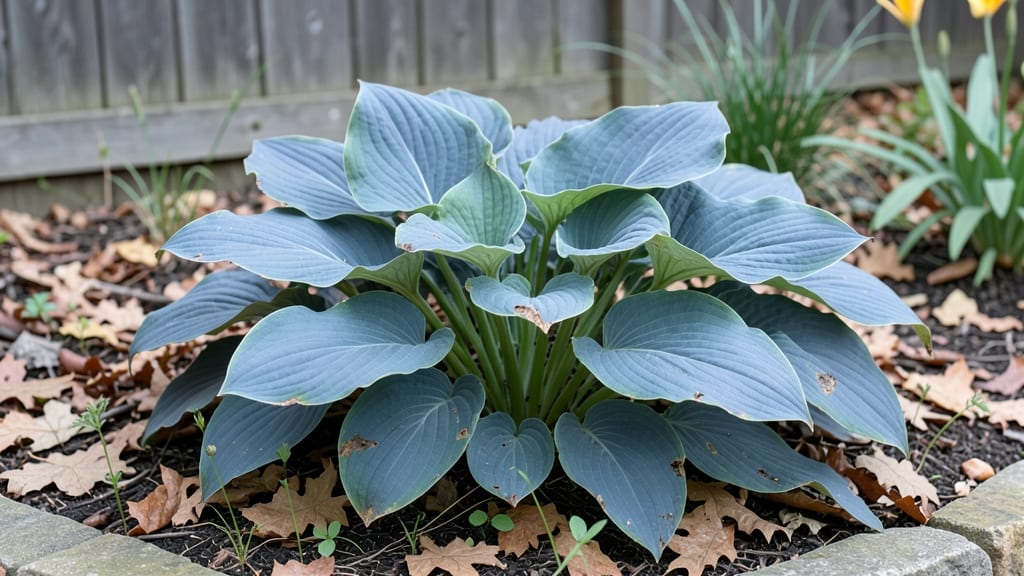
A part-shade garden transforms tricky dappled-light spots into lush, low-maintenance havens where plants actually thrive. 🌿 I’ve turned my own shady corner—once a weed-choked afterthought—into a vibrant retreat by choosing plants that love filtered sunlight and embracing the cozy, woodland vibe it creates.
The key isn’t fighting the shade; it’s working with it to create a space that feels alive without demanding constant care.
This isn’t about struggling with fussy plants—think hardy perennials like hostas and astilbes, reliable shrubs such as hydrangeas and azaleas, and cheerful annuals like impatiens that bloom effortlessly in partial shade.
You’ll need well-draining soil (amend with compost if yours is heavy) and a little strategic spacing to let air circulate, but beyond that, these plants practically take care of themselves. The result?
A garden that stays green all season, requires less watering, and still delivers that "wow" factor when neighbors peek over the fence.
Picture it: velvety hosta leaves catching the morning sun, hydrangeas bursting with color in midsummer, and delicate ferns adding texture year-round. This isn’t just a garden—it’s a serene escape where you can relax on a shady afternoon without worrying about wilting blooms or thirsty roots.
The best part? You’ll spend less time fussing and more time enjoying the space you’ve created.
Whether you’re working with a north-facing yard, a tree-dappled patio, or a spot under a deck, these principles adapt easily. Let’s turn your shady spots into the garden highlight you didn’t know you needed.
📚 In This Guide
- What you need
- Instructions
- Tips and common mistakes
- Wrapping up and next steps
What you need
- ● Soil amendments: Compost (2–3 cubic yards for a 10’x10’ area) – improves drainage and fertility.
- ● Peat moss or coconut coir (1–2 bags) – enhances moisture retention.
- ● Mulch: Shredded bark or wood chips (2–3 cubic feet) – suppresses weeds and retains moisture.
- ● Plants (part-shade tolerant): Hostas (5–10 plants) – classic, low-maintenance foliage.
- ● Ferns (3–5 plants) – thrive in humidity and shade.
- ● Heucheras (4–6 plants) – vibrant foliage with minimal care.
- ● Astilbes (3–5 plants) – adds height and texture.
- ● Bleeding hearts (3–4 plants) – delicate blooms for spring.
- ● Tools: Garden trowel (1) – for transplanting small plants.
- ● Garden fork (1) – for aerating soil.
- ● Pruners (1 pair) – for shaping and maintenance.
- ● Wheelbarrow (1) – for hauling soil and mulch.
- ● Garden hose with spray nozzle (1) – for gentle watering.
- ● Slow-release fertilizer (e.g., Osmocote) – feeds plants gradually.
- ● Ground cover plants (e.g., ajuga or sweet woodruff) – reduces weeds.
- ● Decorative stones or stepping stones – adds structure and charm.
- ● Drip irrigation system – automates watering for busy gardeners.
- ● Garden kneeler/pad – protects your knees during planting.
Step-by-Step guide to designing a thriving part-shade garden
Here’s how to create a lush, low-maintenance garden where dappled light becomes your ally.
🌿 Step 1: Select the Right Plants for Filtered Sun
Choose plants that naturally thrive under 3-6 hours of dappled sunlight daily. Hostas, ferns, and astilbes are my go-to workhorses—they tolerate shade but still deliver bold foliage and seasonal blooms. Avoid sun-lovers like lavender or succulents; they’ll stretch and struggle in partial shade.
Look for plants labeled “part shade” or “partial shade” on seed packets. I always cross-reference with local nursery staff—they know which varieties perform best in your specific climate’s filtered light. Group plants with similar needs together to simplify care and ensure no one plant gets overwhelmed by light competition.
🌱 Step 2: Prepare the Soil for Moisture Retention
Part-shade gardens often have moist, cooler soil because less sunlight means slower evaporation. Amend your native soil with 2-3 inches of compost (from your ingredients list) to improve drainage and aeration. Heavy clay? Mix in 1 part perlite to 3 parts soil to prevent compaction.
Test your soil’s moisture retention by squeezing a handful—it should hold together but not feel soggy. If it crumbles easily, add more organic matter. I like to work in a slow-release fertilizer at this stage to give plants a nutrient boost without the risk of overfeeding in shaded conditions.
☀️ Step 3: Plan Your Layout for Light and Texture
Start by mapping where direct light hits your garden at different times of day. Use a white sheet or tarp to block harsh afternoon sun if needed, creating artificial dappling for sensitive plants. Place taller plants like ornamental grasses or ferns toward the back, then layer medium-height perennials like heucheras, and fill gaps with low-growing ground covers like ajuga or lamium.
Vary leaf shapes and colors for visual interest—deep purple hostas next to silvery heucheras create instant contrast. I always include at least one blooming plant (like bleeding heart or hydrangea) to add seasonal pops of color without competing for light with foliage plants.
💧 Step 4: Water Strategically for Consistent Moisture
Water deeply 2-3 times per week in the morning, aiming for 1-1.5 inches of water per session. Shaded soil stays damp longer, so avoid daily light sprinkles—they encourage shallow roots and fungal issues. Use a soaker hose or drip irrigation to deliver water at the base without wetting foliage, which reduces disease risk.
Check moisture by sticking your finger 2 inches into the soil—if it’s dry, water; if it’s still damp, wait another day. Mulch with 2-3 inches of shredded bark or leaves to lock in moisture and suppress weeds. This step is critical: Overwatering in shade leads to root rot faster than you’d expect.
✂️ Step 5: Maintain with Seasonal Pruning and Fertilizing
Prune spent blooms in early summer to encourage reblooming on perennials like astilbes or hydrangeas. Cut back dead or yellowing foliage in late fall to keep the garden tidy and reduce overwintering pests. I always fertilize lightly in early spring and mid-summer with a balanced 10-10-10 formula—shade plants need fewer nutrients than sun-lovers.
Watch for powdery mildew on leaves in humid conditions; it’s common in part-shade gardens. At the first sign of white dusting, spray leaves with a neem oil solution (1 tsp neem oil per quart of water) to prevent spread. Most part-shade plants are low-maintenance, but this one check-in keeps them thriving year after year.
Tips & tricks for perfect part-shade garden design
Creating a thriving part-shade garden isn't just about choosing the right plants—it's about understanding how to maximize that elusive dappled light. Here's what I've learned after years of trial and error in my own shade garden.
Light Mapping is Everything: The 3-6 hours of dappled sunlight mentioned in Step 1 isn't just a guideline—it's a critical range. I've found that plants at the edges of this range (like 2.5 hours or 6.5 hours) often show stress. Use a simple method to track light patterns: Place a white piece of cardboard in your garden for a few days and mark where shadows fall at different times. This visual map becomes your planting blueprint, ensuring each plant gets its ideal light exposure.
Soil Science Matters More Than You Think: In Step 2, the recommendation for 2-3 inches of compost is non-negotiable for part-shade gardens. I've seen gardeners skip this step only to struggle with poor drainage or nutrient deficiencies. For heavy clay soils, I've had success using a 1:3 perlite-to-soil ratio, but I always test moisture first—squeeze a handful of your amended soil; it should hold together like a damp sponge, not crumble apart. This simple test tells you if your soil is ready for planting.
Layering Creates Visual Drama: When planning your layout in Step 3, think vertically as much as horizontally. I've found that adding a mix of heights—tall ferns in back, medium heucheras in the middle, and low ajuga in front—creates a natural tiered effect that draws the eye. This layering also helps shade the soil more effectively, maintaining those crucial moisture levels. Don't forget to include at least one blooming plant like hydrangea; their seasonal color pops make the garden feel alive without competing for light.
Watering Wisdom Prevents Common Pitfalls: The 2-3 times per week watering schedule in Step 4 is perfect, but timing matters just as much. I've learned the hard way that watering in the afternoon can lead to fungal issues. Always water in the morning so leaves have time to dry before evening humidity sets in. And that 2-inch soil moisture check? It's your best friend—if your finger comes out clean at that depth, you're good to go; if it's dry, water immediately. This simple check prevents both underwatering and the dreaded overwatering that leads to root rot.
Pro Tips for Part Shade Garden
- Creating a thriving part-shade garden isn't just about choosing the right plants—it's about understanding how to maximize that elusive dappled light.
- Light Mapping is Everything: The 3-6 hours of dappled sunlight mentioned in Step 1 isn't just a guideline—it's a critical range.
- Soil Science Matters More Than You Think: In Step 2, the recommendation for 2-3 inches of compost is non-negotiable for part-shade gardens.
Frequently asked questions
What’s the difference between part shade and full shade?
Part shade means 3–6 hours of sunlight daily (often filtered through trees or buildings), while full shade gets <3 hours. Part shade supports a wider range of plants—think ferns, hostas, and impatiens—whereas full shade limits you to shade-loving specialists like calathas or astilbes.
When is the best time to plant in a part-shade garden?
Spring (after the last frost) or early fall are ideal. Avoid summer heatwaves, which stress plants. Pro tip: If planting perennials, give them 6–8 weeks to establish roots before winter. For annuals, follow your local frost dates—most thrive when soil temps are above 60°F (15°C).
Can I grow vegetables in a part-shade garden?
Leafy greens (spinach, lettuce), herbs (parsley, cilantro), and root veggies (carrots, beets) do well. Avoid heavy feeders like tomatoes or peppers—they need more sun. Try shade-tolerant varieties like ‘Outredgeous’ lettuce or ‘Mizuna’ for extra productivity.
Why are my part-shade plants looking leggy or weak?
Leggy growth often means they’re stretching for light. Solutions:
- Thin dense foliage (like hostas) to improve airflow.
- Fertilize lightly with a balanced formula (10-10-10) to encourage bushier growth.
- Move plants to a slightly sunnier spot if possible—even 1–2 extra hours helps.
How do I handle competing roots from nearby trees?
Tree roots can be sneaky! If your garden is too crowded, prune surface roots gently (avoid deep cuts). Mulch heavily (3–4 inches) with wood chips or straw to suppress weeds and retain moisture. For aggressive roots, consider root barriers or plant ground covers (like sweet woodruff) to protect soil health.
Wrapping up and next steps
A part-shade garden is your ticket to lush, low-maintenance beauty—no sunburned leaves or wilting struggles in sight! 🌿 By embracing dappled light, you’ve unlocked a world of resilient plants that thrive with minimal fuss.
Whether you’re a seasoned gardener or just starting, this space will reward you with vibrant blooms and serene greenery year-round.
Ready to turn your shady spot into a thriving oasis? Start small: Pick 2-3 plants from our list, test your soil, and get growing! 🌱 Before you know it, your part-shade haven will be the envy of the neighborhood—and your stress levels will thank you.