
Companion Plants
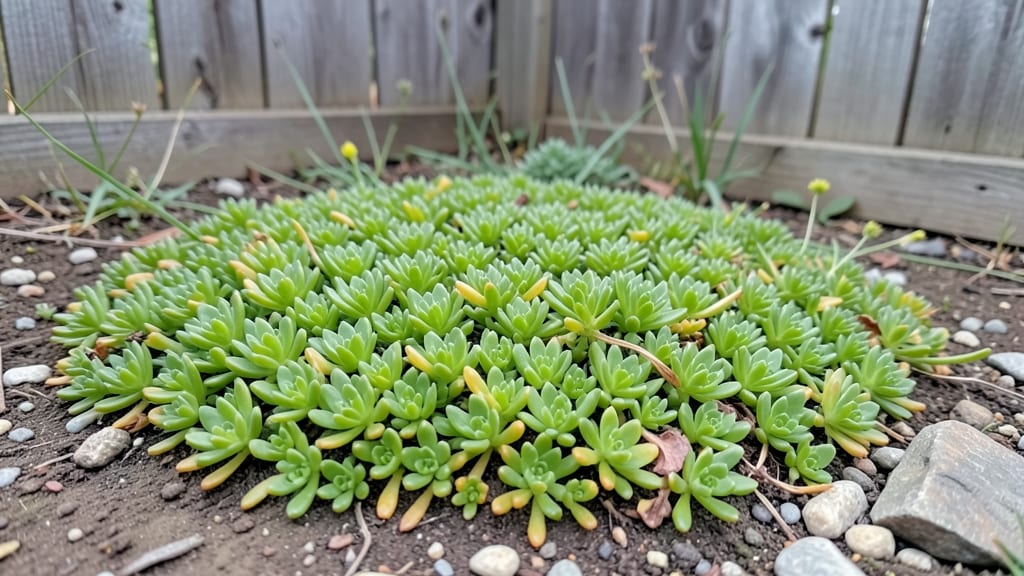
"Rock garden ground cover plants turn barren stone into a living tapestry that outlasts droughts and seasons. ✨ I’ve designed my own rocky slopes with creeping sedums and thyme, and the results—velvety textures, jewel-toned foliage, and zero upkeep—are nothing short of transformative.
The key is pairing plants that love shallow roots and hot sun with rocks that catch morning light while shielding roots from afternoon heat.
Most people overlook how ground covers actually work in rocky spaces: they suppress weeds, prevent erosion, and create microclimates where moisture lingers just long enough. My go-to trio—hen-and-chicks for drama, creeping jenny for lushness, and mosses for softness—stays green even when summer skips the rain.
The secret? Amending rocky soil with just 2-3 inches of compost before planting makes all the difference.
By late spring, you’ll see cascades of color where there was once bare stone. The silver-blue of lamb’s ear contrasts sharply with the deep purple of creeping thyme, while sedums add pops of chartreuse and coral.
These plants thrive with once-a-week watering after establishment, and their shallow roots never compete with rocks for space.
Works for sunny slopes, alpine gardens, or even container arrangements with gravel. The same principles apply whether you’re revamping a backyard or adding texture to a patio corner—just match plants to rock size and sunlight. Let’s get your rocky spaces blooming!
Common Reasons Ground Covers Struggle
Rock gardens are stunning, but even the hardiest ground cover plants can face challenges. Understanding why these issues arise helps you prevent them—and keep your garden thriving. Let’s break down the science behind the most frequent problems.
Rock gardens are designed for fast-draining soil, but if the substrate retains too much moisture, roots suffocate. Here’s why it happens:
- Compacted or clay-heavy soil: Natural soil in many areas is dense, preventing water from escaping. When combined with organic matter (like mulch or decomposed leaves), it can trap moisture against roots.
- Improper layering in rock beds: If rocks are placed too closely together or buried in soil, they disrupt drainage pathways. Water pools instead of flowing away.
- Overwatering: Even drought-tolerant plants like Sedum or Thymus can drown if given excess water. Their shallow roots need air as much as they need hydration.
🔍 Actionable fix: Amend soil with perlite, pumice, or coarse sand (50% mineral grit to 50% organic mix) to improve aeration. Elevate roots slightly with a gravel base (1–2 inches) before planting.
Most rock garden ground covers—like Creeping Thyme or Ice Plant (Delosperma)—thrive in full sun (6+ hours/day). Shade stress weakens plants, making them vulnerable to pests or disease. Why does this happen?
- New plantings in shaded spots: Seedlings or cuttings planted under trees or structures don’t get enough light to photosynthesize efficiently.
- Competing foliage: Tall perennials or weeds block sunlight, creating a "shade canopy" that stunts growth.
- Seasonal light changes: In winter or overcast climates, even sunny spots may not provide sufficient intensity for light-loving species.
💡 Pro tip: Monitor sunlight exposure for at least 3 months before selecting plants. Use partial-shade tolerant options (like Ajuga or Liriope) if full sun isn’t possible.
Not all ground covers play well together—some compete for nutrients, while others attract pests that harm neighbors. Here’s how mismatches cause problems:
- Aggressive spreaders: Plants like Mint or Creeping Charlie can smother slower-growing species, choking them out.
- Different water needs: Pairing a succulent (e.g., Hen & Chicks) with a moisture-loving Heuchera leads to one plant drying out while the other rots.
- Pest magnets: Some plants (like Lamb’s Ear) attract aphids, which then infest nearby Thyme or Sedum.
🎯 Best practices:
Pair Well Together
Avoid Mixing
Thymus (Thyme) + Sedum + Delosperma
Hosta + Succulents
Ajuga + Heuchera (shady spots)
Mint + Slow-growing perennials
Rock gardens aren’t pest-proof—fungal infections, mites, or slugs can decimate ground covers if conditions are right. The root causes include:
- High humidity + poor airflow: Dense plantings or thick mulch create a microclimate that traps moisture, inviting powdery mildew or root rot.
- Weakened plants: Stress from drought, over-fertilization, or transplant shock makes plants more susceptible to attacks.
- Lack of beneficial insects: Without predators like ladybugs or ground beetles, pests (e.g., vine weevils) thrive unchecked.
🛡️ Prevention tips:
- Space plants 3–6 inches apart for airflow.
- Use neem oil or insecticidal soap for early pest signs.
- Introduce native pollinators (e.g., ladybugs) to control aphids naturally.
Rock gardens can experience rapid temperature changes—scorching heat by day and frost at night—which stress ground covers. Key triggers:
- Lack of mulch: Bare soil radiates heat, cooking shallow roots in summer and freezing them in winter.
- Wind exposure: Unprotected areas dry out quickly, while cold winds desiccate tender foliage.
- Poor root establishment: Newly planted ground covers haven’t developed deep roots to regulate temperature fluctuations.
🌡️ Climate hacks:
- Apply 2–3 inches of gravel mulch (not organic) to insulate roots.
- Choose native or alpine species (e.g., Lewisia) adapted to your region’s extremes.
- Use windbreaks (like low shrubs or trellises) to buffer gusts.
Quick Fixes for Ground Cover Struggles
Rock gardens are stunning, but even the hardiest ground cover plants can face challenges—whether it’s drought stress, weed invasion, poor soil drainage, or unruly growth.
The good news? Most issues have simple, practical solutions. Below, we’ll map common problems to easy fixes, plus tips to keep your rock garden thriving with minimal effort.
If your plants look wilting or crispy despite being drought-tolerant, they may need a smarter watering approach—or better soil prep.
🔥 Cause: Inconsistent Watering
Drought-resistant plants still need deep, infrequent watering (not light sprinkles). Shallow watering encourages weak roots that dry out fast.
🍳 Solution: Water Like a Pro
- Water deeply 1–2 times per week (early morning or late evening to reduce evaporation). Aim for 1–2 inches of water per session.
- Use a soaker hose or drip irrigation to deliver water straight to the roots—no waste!
- Mulch heavily (2–3 inches of gravel or organic mulch like bark) to lock in moisture.
🌡️ Prevention Tips
- ✅ Group plants with similar water needs (e.g., sedums with other succulents).
- ✅ Avoid overhead sprinklers—they encourage fungal issues and waste water.
- ✅ Check soil moisture by sticking your finger 2 inches deep. If dry, it’s time to water.
Weeds steal nutrients and water, smothering your ground covers. But with the right strategy, you can outsmart them without chemicals.
🔪 Cause: Bare Soil or Thin Ground Cover
Weeds thrive where plants can’t compete—usually in gaps between rocks or areas with poor coverage.
👨🍳 Solution: Smother and Outcompete
- Hand-pull weeds early (before they seed). Use a weed torch or boiling water for stubborn patches.
- Lay down landscape fabric (with holes for existing plants) to block light, then add gravel or mulch on top.
- Plant densely—choose fast-spreading ground covers like creeping thyme, ice plant, or ajuga to fill gaps quickly.
🎯 Prevention Tips
- ✅ Use pre-emergent herbicide (like corn gluten meal) in early spring to stop weed seeds from germinating.
- ✅ Keep rocks tightly placed—leave no gaps wider than 2 inches for weeds to sneak in.
- ✅ Mow or trim aggressively—weeds hate competition for sunlight!
If your rock garden has poor drainage, roots can rot even in drought-tolerant plants. Here’s how to fix it fast.
🔥 Cause: Compacted or Clay-Heavy Soil
Rock gardens need fast-draining soil. If water pools after rain, your mix is too dense.
🍳 Solution: Improve Drainage Now
- Amend the soil with coarse sand, perlite, or pumice (mix in a 50/50 ratio with existing soil).
- Raise beds slightly (even 1–2 inches higher) to encourage runoff.
- Add a gravel layer (1–2 inches) beneath the soil to create a drainage layer.
💡 Prevention Tips
- ✅ Test your soil—if it stays wet for >24 hours after rain, it’s time to amend.
- ✅ Avoid tilling—it compacts soil further. Instead, loosen with a fork.
- ✅ Choose plants for wet spots—if drainage is permanent, opt for carex sedges or heuchera (they tolerate moister conditions).
Some ground covers spread too aggressively, crowding out rocks or other plants. Keep them in check with these low-effort tricks.
🔪 Cause: Fast-Spreading Varieties
Plants like creeping jenny or mint can become invasive if not managed.
👨🍳 Solution: Prune and Contain
- Trim edges regularly with sharp shears to keep growth tidy.
- Use edging (metal, stone, or plastic) to physically block spread.
- Divide and relocate—dig up excess runners and replant them in contained pots or other areas.
✨ Prevention Tips
- ✅ Pick slow-spreading options like delosperma or saxifraga if you hate maintenance.
- ✅ Plant in containers for aggressive spreaders—bury pots halfway in the ground for a built-in barrier.
- ✅ Mulch with rocks, not organic matter—organic mulch can encourage unwanted growth.
With these fixes, your rock garden ground covers will bounce back faster and stay healthy with minimal fuss. The key? Act early, adjust your approach based on your climate, and choose the right plants for your conditions. Happy gardening! 🌿💚
Frequently asked questions
What are the best low-maintenance ground covers for rocky slopes?
For minimal upkeep, try creeping thyme (fragrant and drought-proof) or sedum varieties like 'Dragon's Blood' for vibrant color. Mosses and hen-and-chicks (Sempervivum) also thrive in rocky conditions with almost no watering once established. These plants spread naturally to fill gaps between stones.
How do I prevent weeds from growing between rocks and ground cover?
Use a pre-emergent herbicide like corn gluten meal in early spring, then plant densely with fast-spreading covers like ajuga or delosperma. Leave no gaps wider than 2 inches between rocks—weeds can't establish in tight spaces. For stubborn weeds, pull them early or smother with gravel mulch.
Can I use regular garden soil in a rock garden?
No—regular soil compacts easily and retains too much moisture. Instead, mix 50% mineral grit (coarse sand, perlite, or pumice) with 50% organic matter (compost or peat moss). This creates the fast-draining, aerated soil that shallow-rooted ground covers need. Test your mix: water should drain completely within 15-30 minutes.
What's the best way to create visual contrast with rocks?
Pair silver foliage (like lamb's ear) with deep purple (creeping thyme) for striking contrast. Add chartreuse sedums or coral ice plants (Delosperma) for pops of color. For texture, combine velvety mosses with spiky saxifrages. Place lighter plants near dark rocks and vice versa to enhance the effect.
How often should I water newly planted rock garden ground covers?
Water daily for the first 2 weeks to help roots establish, then taper to 2-3 times per week for the next month. After that, most drought-tolerant covers need water only when the soil feels dry 1-2 inches deep. Use a soaker hose to deliver water directly to roots without wetting rocks, which can cause algae.