
Watering
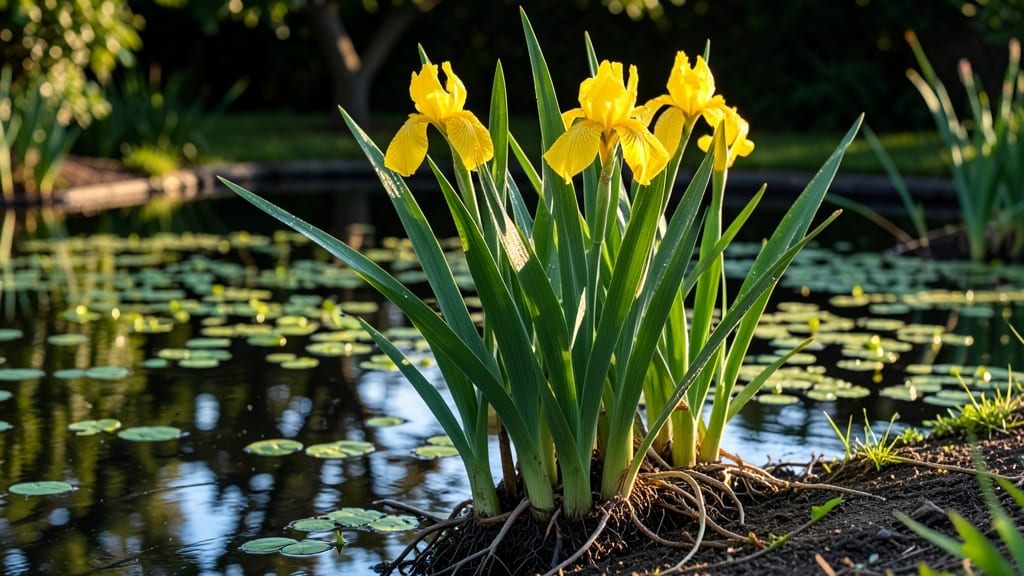
A small water garden turns a corner of your patio into a living painting. 💚 I designed mine in a 3-foot-square trough, and it became the quietest spot in my backyard—no lawnmower noise, just the gentle ripple of water and the hum of bees visiting the water lilies.
You don’t need a backyard to start—even a sunny balcony can host a self-contained ecosystem. A preformed liner or heavy-duty plastic pond kit keeps it simple, while a small pump and a few aquatic plants handle the rest.
My setup cost under $150 and fits on a 4x4-foot space, yet it supports dragonflies, frogs, and even a few koi in summer.
By summer’s end, you’ll have a miniature wetland teeming with life—lush green foliage, delicate blooms, and the soothing sound of moving water. The best part? It requires just 15 minutes of weekly care once established. No chemicals, no fuss, just pure serenity.
Perfect for urban yards, small patios, or even indoor sunrooms with the right lighting. Here’s how to plan yours without overcomplicating it—because beauty shouldn’t require a lot of space or time.
📚 In This Guide
- What you need
- Instructions
- Tips and common mistakes
- Wrapping up and next steps
What you need
- ● Container: A waterproof basin, trough, or preformed pond liner (10–50 gallons, depending on size). Opt for fiberglass, plastic, or rubber for durability.
- ● Water: 5–10 gallons (dechlorinated tap water or rainwater to avoid harming plants/fish).
- ● Substrate: 1–2 inches of gravel or small rocks (for drainage).
- ● 1–2 inches of sand or aquatic soil (for plant roots).
- ● Plants: Floating plants: 2–3 water hyacinths, duckweed, or lotus (for shade and oxygen).
- ● Marginal plants: 1–2 water lilies, pickerelweed, or sweet flag (partial submergence).
- ○ Submerged plants: 1 hornwort or anacharis (optional, for oxygenation).
- ○ Fish (optional): 1–2 goldfish, koi, or guppies (ensure container is large enough for their waste).
- ● Tools: Garden trowel or shovel (for planting).
- ● Gloves (to protect hands from soil/water).
- ● Measuring tape (for precise container placement).
- ○ Decor (optional): Smooth stones or pebbles (for aesthetics and algae control).
- ● Small bridge, figurine, or bamboo (for charm).
- ● Solar-powered fountain or bubbler (for circulation and oxygen).
- ● Maintenance: Water testing kit (to monitor pH, ammonia, and nitrites).
- ● Algae scrubber or barley straw (natural algae inhibitor).
- ● Sunlight: 4–6 hours of partial sun (avoid direct afternoon sun to prevent overheating).
- ● Location: A stable, level surface (patio, deck, or ground) with access to water.
- ● Safety: Secure the container to prevent tipping (especially with fish or heavy stones).
- ● Climate Considerations: In cold climates, use a submersible heater or move indoors during winter.
- ● In hot climates, add shade cloth to prevent evaporation.
Step-by-Step instructions for creating your small water garden
Here's how to build a tranquil, self-sustaining water feature that thrives in limited space.
🪴 Step 1: Select and Prepare Your Container
Choose a container that's at least 12 inches deep—deeper is better for aquatic plants and fish. I prefer preformed ponds or large ceramic bowls because they hold water well and look intentional. If using a new container, clean it thoroughly with a 10% bleach solution (1 part bleach to 9 parts water) to kill any hidden bacteria, then rinse well.
Place your container in a spot that gets 4-6 hours of sunlight daily. Too much sun causes algae blooms, while too little stunts plant growth. A partially shaded patio works perfectly. I like to position mine near seating so I can enjoy the sound of water while relaxing.
💧 Step 2: Add Water and Essential Layers
Fill the container with dechlorinated water—tap water contains chlorine that harms aquatic life. Let tap water sit uncovered for 24 hours before using, or add a water conditioner to neutralize chlorine immediately. Fill to 80% capacity to allow space for plants and fish to grow.
Add a layer of 1-2 inches of gravel or small rocks at the bottom to create a natural filter bed. This prevents debris from settling at the bottom and keeps water cleaner. Avoid sharp-edged rocks that could harm delicate roots or fish fins. Smooth river stones work beautifully.
🌱 Step 3: Introduce Plants and Fish
Start with hardy aquatic plants like water hyacinth or water lettuce—they thrive in small spaces and help keep water clean. Add 3-5 plants per 12-inch container, spacing them evenly around the edges. For a low-maintenance look, floating plants like duckweed or azolla are perfect—they spread quickly but stay contained.
If adding fish, introduce them last. I recommend small, hardy species like guppies or white cloud mountain minnows. Start with 2-3 fish per 12-inch container—overcrowding stresses them and pollutes the water faster. Add fish slowly to avoid shocking them with temperature changes.
☀️ Step 4: Add Lighting and Decorative Touches
For a magical evening ambiance, add a solar-powered LED light or a small battery-operated floating candle. Place it near the water's edge so the light reflects beautifully. Avoid submersible lights unless they're designed for aquatic use—they can heat up and harm plants or fish.
Add decorative elements like smooth stones, driftwood, or small ceramic figurines to create focal points. I like to arrange them asymmetrically for a natural look. Avoid anything with sharp edges or toxic coatings that could harm aquatic life. Rinse all decorations thoroughly before placing them in the water.
⏰ Step 5: Maintain Balance and Enjoy
Check the water quality weekly by looking for signs of algae (green film) or cloudiness. If you see algae, reduce sunlight exposure or add a few more aquatic plants to absorb excess nutrients. I also recommend adding a small air pump with a fine bubble stone to keep water oxygenated—it prevents stagnation and keeps fish healthy.
Top off evaporated water with dechlorinated water as needed. Avoid overfeeding fish—uneaten food decays quickly and fouls the water. With proper care, your small water garden will stay serene and balanced for months, becoming a peaceful centerpiece for your patio.
Tips & tricks for perfect small water garden
Creating a thriving miniature ecosystem doesn't have to be complicated—these simple tricks will help you avoid common pitfalls and create a balanced, beautiful water feature.
Container Depth Matters: That 12-inch minimum depth in Step 1 is crucial for maintaining healthy water quality and providing enough space for roots and fish. If you're using a shallower container, consider adding a small waterfall feature or internal divider to create depth zones. I've found that deeper containers also help regulate temperature better, which is especially important if you live in hot climates.
Sunlight Balance is Key: The 4-6 hours of sunlight recommendation in Step 1 is a perfect balance. Too much direct sun can cause rapid algae growth, while too little will stunt plant growth. If your patio gets intense afternoon sun, position your garden on the north side or use a sheer curtain to filter light. I've noticed that morning sun is gentler and often works better for maintaining that serene look.
Water Quality First: The 24-hour dechlorination process in Step 2 is non-negotiable for aquatic life. If you're in a hurry, use a water conditioner specifically designed for aquariums—it neutralizes chlorine immediately. I also recommend adding a small amount of beneficial bacteria (available at pet stores) to help establish a healthy ecosystem right from the start. This creates a natural filter that will keep your water crystal clear.
Plant Placement Strategy: When adding your 3-5 plants per 12-inch container in Step 3, place them at different depths. Floating plants like duckweed should cover about 30-50% of the surface, while rooted plants should be spaced around the edges. This creates a natural filtration system and prevents any one plant from dominating. I've seen gardens where plants were all clustered together—it creates an unnatural look and can lead to overcrowding.
Pro Tips for Small Water Garden
- Creating a thriving miniature ecosystem doesn't have to be complicated—these simple tricks will help you avoid common pitfalls and create a balanced, beautiful water feature.
- Container Depth Matters: That 12-inch minimum depth in Step 1 is crucial for maintaining healthy water quality and providing enough space for roots and fish.
- Sunlight Balance is Key: The 4-6 hours of sunlight recommendation in Step 1 is a perfect balance.
Frequently asked questions
Got questions about creating your own small water garden? You’re not alone! Here are some of the most common queries—plus straightforward answers to help you get started without the guesswork.
What’s the best location for a small water garden?
A sunny spot with at least 4–6 hours of direct sunlight daily is ideal for most aquatic plants and fish. Avoid deep shade, as it can stunt growth and disrupt the ecosystem. If your patio only gets partial sun, opt for shade-tolerant plants like water hyacinths or water lettuce. Just ensure the area has easy access to water (a hose or nearby spigot) and is level to prevent leaks.
How long does it take to set up a small water garden?
For a basic setup, you can complete the project in 1–3 hours if you’ve prepped materials. Larger or more intricate designs (like tiered ponds or integrated lighting) may take a full day. Pro tip: Assemble the liner and structure first, then add water and plants last—this saves time and reduces mess!
Can I add fish to a tiny water garden?
Yes, but keep it small! A 5–10 gallon pond can comfortably house 3–5 small fish (like guppies, bettas, or goldfish). Avoid overcrowding—each fish needs 1 gallon per inch of body length. Add a small pump and filter to maintain water quality, and introduce plants to provide natural filtration and hiding spots. Avoid adding fish until your garden is fully cycled (2–4 weeks).
How often should I clean or maintain my small water garden?
Weekly checks are key! Remove debris (leaves, bugs) with a net, and top off evaporated water as needed. Every 2–3 months, drain 20–30% of the water and refill with fresh to prevent nutrient buildup. Trim overgrown plants to avoid shading the water. For fish ponds, test water parameters monthly for ammonia, nitrites, and nitrates. In hot climates, monitor water levels daily—evaporation happens fast!
What are some low-maintenance alternatives to a traditional pond?
If a pond feels like too much work, consider these serene options:
- Preformed containers: Use half-barrels, ceramic bowls, or even old sinks lined with a pond liner.
- Paludarium: A shallow, bog-like setup with moisture-loving plants (like pogonia or sweet flag) and minimal water.
- Floating planters: Place water hyacinths or lotus plants in a kiddie pool or large tub for a lush, low-effort look.
- Bamboo water spout: A simple, decorative feature that adds sound and movement without plants.
All of these require far less upkeep than a full pond but still deliver that tranquil vibe!
Wrapping up and next steps
A small water garden isn’t just a space-saving oasis—it’s a miniature ecosystem that brings tranquility, wildlife, and natural beauty to your patio.
Whether you’re drawn to the soothing sounds of water, the charm of aquatic plants, or the joy of nurturing a tiny habitat, this project is totally doable with the right tools and a little creativity.
Ready to dive in? Start small—pick a container, gather your supplies, and let your green thumb guide you! Your serene retreat awaits. 🌿💧