
Picking
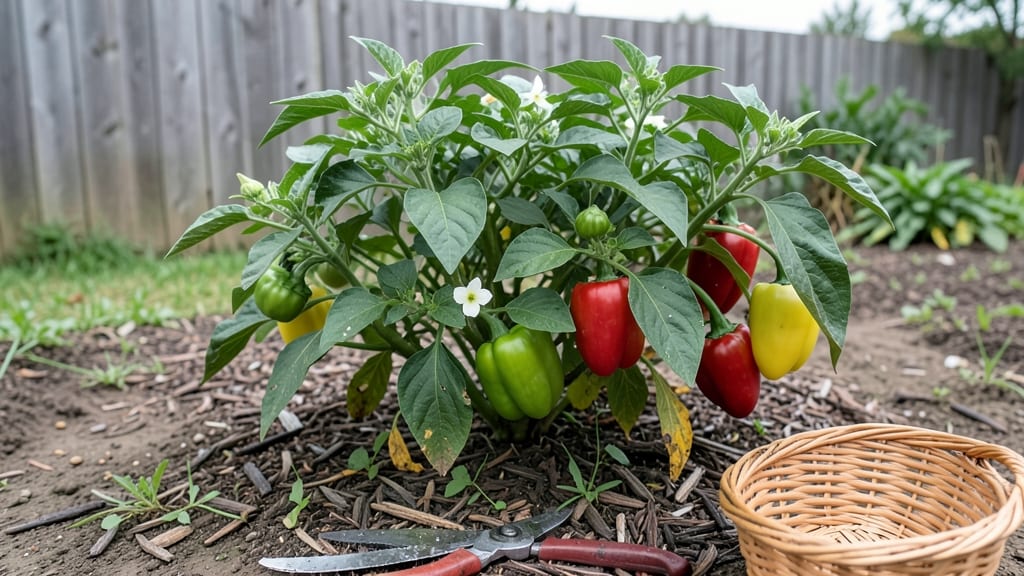
Picking peppers from your garden at the right moment turns 🌶️ fiery heat into sweet, crunchy perfection—or ruins them in seconds.
Harvesting peppers at the wrong time can mean the difference between a fiery, crunchy delight and a mealy, flavorless disappointment—so how do you know when they're truly ready? One wrong move, and you're left with peppers that are either still green inside or so soft they collapse in your hand.
Most gardeners wait for color, but that’s only part of the story. The real secret lies in three simple cues: size, firmness, and that unmistakable aroma at the stem. Ignore them, and you might miss your window entirely—especially in summer’s fleeting heat when peppers ripen fast.
In this guide, I’ll walk you through the exact visual and physical signs to watch for, plus how to handle and store your harvest so every pepper stays vibrant and packed with flavor. No more guesswork—just crisp, flavorful peppers straight from your garden.
3 Visual cues to identify perfectly ripe peppers for harvesting
Knowing when to pick peppers from your garden ensures the best flavor, texture, and even heat levels. Ripe peppers are sweeter, firmer, and packed with nutrients, while underripe or overripe peppers can be bland or tough.
The key lies in observing three visual cues: color, size, and texture. These clues vary slightly by variety, so let’s break them down for common types like bell peppers, jalapeños, and habaneros.
Color is often the first clue gardeners check, but it’s not always straightforward. For example, green bell peppers turn red, yellow, or orange when fully ripe, while jalapeños shift from green to red or purple.
However, some heirloom varieties may stay green or develop striped patterns. Always cross-reference color with the other two cues to avoid mistakes.
Size matters too, but it depends on the pepper type. Bell peppers should reach their mature size (typically 3–4 inches long) before harvesting, while jalapeños are ready at 2–3 inches.
Smaller peppers may still ripen, but larger ones often produce better flavor. Pay attention to the pepper’s natural growth pattern—some varieties grow longer over time.
Texture is where many gardeners overlook a critical detail. A ripe pepper should feel slightly firm but yield slightly when gently squeezed near the stem. Overripe peppers become soft, wrinkled, or even develop mold.
On the flip side, underripe peppers feel rock-hard and lack flavor. This tactile check is especially useful for habaneros, which can turn mushy quickly in hot climates.
Here’s a quick reference to help you spot the perfect moment to harvest your peppers based on these visual cues.
<summary-table>| Pepper Type | Color | Size | Texture | Special Notes |
|---|---|---|---|---|
| Bell Peppers | Red, yellow, orange, or green (if heirloom) | 3–4 inches long | Firm with slight give | Harvest green for milder taste; wait for color change for sweeter flavor |
| Jalapeños | Green, red, or purple | 2–3 inches long | Slightly firm, glossy skin | Red jalapeños are hotter; harvest green for milder heat |
| Habaneros | Orange, red, or yellow | 1–2 inches long | Slightly waxy, firm | Extremely hot; harvest at peak color for maximum heat |
| Poblano | Dark green (turns red when fully ripe) | 3–5 inches long | Smooth, firm skin | Green poblanos are mild; ripe ones are spicier |
| Heirloom/Unique | Varies (striped, speckled, or solid) | Check variety guidelines | Firm with slight flexibility | Always verify with seed packet or breeder |
Don’t rely solely on color, especially with heirloom varieties. Some peppers, like shishito peppers, stay green but ripen internally. To test, gently squeeze the pepper—if it feels too firm, it’s not ready.
If it’s too soft, it’s overripe. The ideal pepper should have a slight give near the stem, indicating peak ripeness.
Another trick is to check the stem. A ripe pepper’s stem should detach easily from the plant with a slight twist. If it resists, the pepper isn’t ready yet. This method works for almost all pepper varieties and is a quick way to confirm ripeness without cutting into the pepper.
Climate plays a role too. In hot, dry conditions, peppers may ripen faster and need more frequent checks. Conversely, cooler climates can slow ripening, so don’t rush—wait for the visual cues to align.
If you’re unsure, harvest a few peppers early and let them ripen indoors on a sunny windowsill.
Once you’ve mastered these three cues, you’ll never miss the perfect harvest window again. The reward? Peppers bursting with flavor, whether you’re using them fresh, roasting, or preserving. Happy harvesting!
How to test pepper ripeness beyond visual clues: the squeeze and taste method
Even when peppers look ripe, their true flavor potential hides beneath the surface. Color and size only tell part of the story—firmness, stem detachment, and taste reveal the real harvest window.
I’ve learned that skipping these tests often leads to underripe peppers with bland heat or overripe ones that turn mushy. Let’s dig into the hands-on methods that guarantee peak flavor every time.
Start with the gentle squeeze test, which separates perfect peppers from their underripe or overripe cousins. A ripe pepper should yield slightly when pressed near the stem—think of a ripe avocado’s give.
If it feels rock-hard, it’s not ready; if it’s too soft, it’s past its prime. This tactile check works for bell peppers, jalapeños, and habaneros alike, though heirloom varieties may need extra patience.
⚠️
Never harvest peppers with wrinkled skin or deep cracks—they’re past their flavor peak. Check stems daily in late summer when heat accelerates ripening. Morning harvests prevent afternoon sun from overcooking peppers still on the vine. Hot peppers lose potency faster; harvest them before full color if you crave maximum heat.
Next, test stem detachment by twisting the pepper gently at its base. A ripe pepper should separate cleanly from the plant with minimal resistance. If the stem resists or tears, the pepper isn’t ready—premature harvesting steals sweetness and crunch.
For container-grown peppers, this test is especially critical since roots compete for nutrients in limited soil.
For the ultimate verdict, taste a small section near the stem. The flavor here is the most concentrated—sweet for bells, fiery for jalapeños.
If it’s bland or watery, wait 2–3 days and retest. Hot peppers should deliver a sharp, immediate burn; if it’s muted, the pepper needs more time on the vine. Pro tip: Use a small knife to sample without damaging the pepper.
Climate plays a sneaky role here. In hot, dry summers, peppers ripen faster and may need harvesting every 2–3 days.
In cooler regions, stretch the season by harvesting green peppers for cooking and letting others ripen fully. Black lights (like those used for basil) can trick peppers into ripening faster if your summer ends early.
Once you master these tests, you’ll never second-guess another harvest. The key? Combine all three methods: squeeze, stem test, and taste. My jalapeños now hit peak heat at 2 inches long with a bright green hue, while bell peppers wait until their shoulders broaden and skin smooths.
With practice, your garden will yield peppers so perfect, they’ll make store-bought look sad. 🌱