
Picking
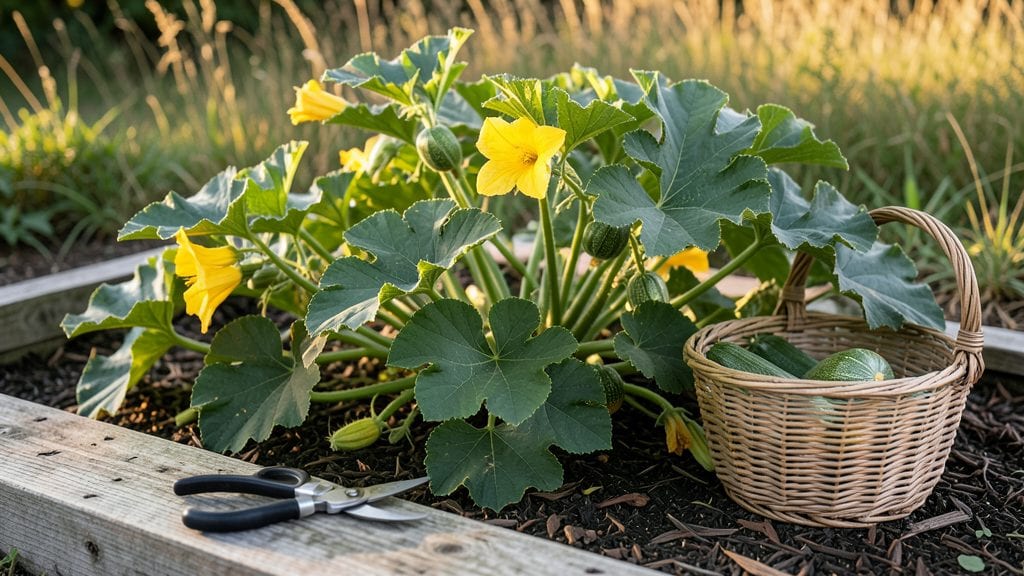
Knowing when to pick squash from the garden means the difference between a tender, flavorful harvest and a tough, seedy mess—so timing is everything 🎃.
If you’ve ever sliced into a squash only to find it’s still mushy or the seeds are rock-hard, you’ve picked at the wrong moment. The good news?
Mastering the perfect harvest window is simpler than you think—just watch for three key visual cues that tell you when your summer or winter squash is ready.
From zucchini to pumpkins, knowing when to pluck your squash isn’t just about size—it’s about skin toughness, stem dryness, and color depth. Get these right, and you’ll enjoy peak flavor, texture, and even a longer storage life. Miss them, and you might as well be tossing out money.
Below, I’ll walk you through exactly what to look for, how to avoid common mistakes, and why timing matters more than you’d expect—especially in Zone 6a where summers are short but sweet.
3 Visual cues to determine when squash is ready for harvest
Harvesting squash at the right moment transforms a garden bounty into a kitchen treasure. Zucchini, yellow squash, and even pumpkins all follow similar ripeness cues—but missing them means tough, seedy, or bland fruit.
The good news? You don’t need a harvest calendar or fancy tools. Just trust your eyes, fingers, and a little patience to spot these three foolproof signs.
I’ve picked squash too early (ending up with watery, seedy messes) and too late (rock-hard seeds and stringy flesh). After years of trial and error, I’ve learned that visual cues are the fastest way to nail the perfect harvest window.
Whether you’re growing summer squash like pattypan or winter squash like butternut, these three checks will save your crop—and your dinner plans.
🌱 Master the 3 Signs of Perfect Squash Ripeness
- 1. Skin Color: Zucchini turns deep green (not yellow or pale), while yellow squash develops a rich golden hue. Pumpkins should be fully orange or cream with no green patches. Pro tip: Check the underside—that’s where color develops last!
- 2. Stem Condition: The stem should feel dry and papery, almost like brown paper. If it’s still green and flexible, wait 2-3 days. A withered stem means it’s past prime unless you’re saving seeds.
- 3. Fruit Firmness: Press your fingernail into the skin. If it doesn’t dent and feels hard like a baseball, it’s ready. Soft spots? Underripe—harvest in 3-5 days. Overripe squash will have shriveled skin and hard seeds.
Let’s break down each cue with real-world examples. For zucchini, I once picked a 6-inch squash because it looked big—but it was still soft and seedy. The lesson? Size isn’t everything—color and firmness matter more.
A 12-inch zucchini with dull skin is overripe, while a 8-inch one with shiny, deep green skin is perfect.
For yellow squash, the skin color shift is your best friend. Pale yellow means underripe; deep golden means peak ripeness.
I test this by holding the squash up to a white sheet—the color should look vibrant and even, not washed out. Patchy colors often mean uneven sunlight, which can lead to uneven ripening.
The stem is where many gardeners go wrong. A green, flexible stem means the squash is still growing. But once it turns brown and crispy, it’s a harvest signal. I’ve seen pumpkins with half-dry stems—that’s your cue to pick it soon.
If you ignore this, the stem will snap off on its own, and the squash may rot on the vine.
Firmness is the final test, and it’s the most reliable for summer squash. A ready squash should feel heavy for its size—almost like a lead weight in your hand.
Shake it gently: if it feels hollow, it’s overripe. Underripe squash will squish slightly when pressed. Pro tip: Use a knife tip to test—if it doesn’t pierce easily, it’s ready.
Seasonal variations matter too. In hot climates, squash ripens faster—sometimes in just 45 days. In cooler regions, it may take 70 days.
I once grew butternut squash in Zone 5 and had to harvest before frost even if the skin wasn’t fully hard. Winter squash can continue ripening off the vine, but summer squash must be picked at peak ripeness.
One common mistake? Waiting too long for perfect color. By then, the seeds harden, and the flesh turns stringy. I learned this the hard way with a 20-pound pumpkin that was rock-hard inside.
Now, I harvest pumpkins when they’re 80% ripe and let them cure in a sunny spot for 10 days to finish ripening.
Remember: Consistency is key. Check your squash every 2-3 days during peak season. Morning harvests work best—cool temps help preserve freshness. And if you’re saving seeds, wait until the stem is fully brown and the seeds are hard.
Master these three cues, and you’ll never again wonder “Is my squash ready?”. The next time you’re in the garden, grab a squash, give it the fingernail test, and trust your instincts. Your summer dishes will thank you! 🎃
How to avoid overripe or underripe squash: common mistakes & fixes
Even experienced gardeners sometimes struggle with picking squash at the wrong stage. Underripe squash lacks sweetness and firm texture, while overripe squash becomes stringy, seedy, and tough. Both mistakes happen when we ignore subtle clues from the plant itself or overlook environmental factors.
The key to perfect timing lies in understanding three critical factors: plant maturity signs, weather conditions, and proper care habits. For example, a zucchini left on the vine too long can turn bitter, while a butternut squash harvested too early won’t develop its signature sweetness.
Mistake 1: Harvesting based on size alone—some varieties (like acorn squash) stay small but ripen fully, while others (like spaghetti squash) need more time to develop flavor.
Mistake 2: Ignoring stem changes—a dry, brown stem signals readiness, but a green, flexible stem means the squash needs more time.
Fix: Combine color, stem condition, and skin hardness for accurate timing. Check squash every 2-3 days during peak season (July-August).
Environmental factors play a huge role in ripening. Hot, dry weather can speed up maturation, while cool, cloudy conditions may delay it. For instance, if your summer squash is growing in Zone 9 with temperatures above 90°F, it may ripen faster than the same variety in Zone 5.
Always adjust your expectations based on your local climate.
Another common error is overcrowding plants, which stresses the vines and leads to uneven ripening. If your squash plants are competing for nutrients, the fruits may develop uneven colors or textures.
To fix this, thin seedlings to 2-3 feet apart and use mulch to retain moisture and regulate soil temperature.
Watch for pest damage or disease signs like powdery mildew, which can alter ripening. A squash with spots or soft areas should be harvested immediately, even if it’s not fully ripe. Store it separately and use it within 3-5 days to avoid spoilage.
Finally, remember that different squash varieties have unique ripening windows. Winter squash (like pumpkins) need 90-120 days to mature, while summer squash (like yellow squash) ripens in just 45-55 days. Always check seed packets for days-to-maturity guidelines and adjust your harvest schedule accordingly.