
Picking
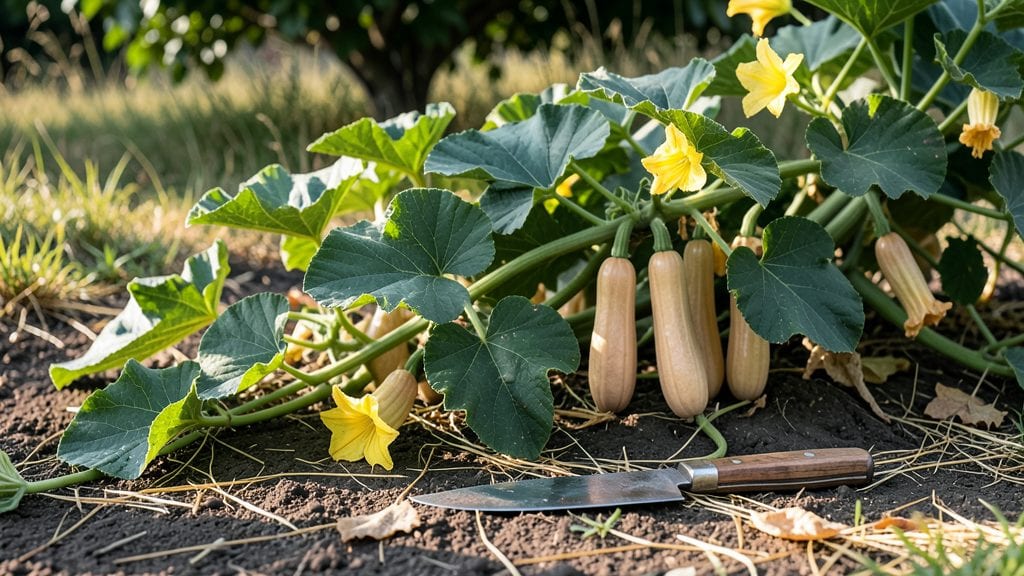
Picking butternut squash at the right time turns your garden into a treasure trove of sweet, creamy goodness 🎃 — but wait too long, and you’re left with tough, flavorless pulp.
Butternut squash is a gardener’s dream—sweet, nutritious, and surprisingly easy to grow—but timing its harvest wrong can turn a golden harvest into a bitter disappointment. Knowing exactly when to pick butternut squash means the difference between a tender, flavorful squash and a tough, watery one.
You’ll learn the three foolproof visual cues that signal peak ripeness, from skin color to stem changes, plus how to test readiness with just your thumbnail. No more guessing—just a perfect harvest every time.
Even better, I’ll share how to store your squash for months so you can enjoy that harvest long after the garden season ends. Ready to master the art of picking?
3 Visual cues to identify perfectly ripe butternut squash
Harvesting butternut squash at the right moment transforms your garden into a treasure trove of sweet, flavorful produce. The key lies in recognizing three visual cues that signal peak ripeness: skin color, stem condition, and rind thickness.
Ignoring these signs can lead to squash that’s either too tough or too watery—neither of which you want in your kitchen. Let’s break down what to look for and what to avoid when inspecting your butternut squash.
First, don’t rely on size alone—some squash varieties grow large even when underripe. Instead, focus on the maturity indicators that reveal whether your squash is ready to harvest. These cues work together like a checklist, ensuring you pick your butternut squash at its absolute best.
Whether you’re a beginner or a seasoned gardener, mastering these visual signals will elevate your harvest every season.
Here’s what to watch for in your garden:
- 1. Skin Color: Look for a deep, tan or beige hue with no green patches. The skin should be consistently colored—uneven tones mean it’s not ready yet.
- 2. Stem Condition: The stem near the blossom end should feel dry and papery, almost like browned paper. If it’s still green or flexible, wait a few more days.
- 3. Rind Thickness: Press your thumbnail into the skin. If it doesn’t pierce easily and feels firm, the squash is ripe. A soft spot means it needs more time on the vine.
Let’s start with the most obvious sign: skin color. A perfectly ripe butternut squash will have a rich, golden-tan skin with no green streaks. The color should be uniform and deep, not pale or patchy.
If you notice green areas lingering, especially near the stem, your squash isn’t ready yet. These green spots indicate it’s still maturing and needs more time in the garden. Think of it like a traffic light—green means "not ready," while tan or beige means "go for it!"
Next, pay close attention to the stem near the blossom end. This is a critical cue many gardeners overlook. A ripe butternut squash will have a stem that’s dry, brown, and brittle. If you gently tug on it, it should feel like it’s about to snap off.
In contrast, a green or flexible stem means your squash needs more time. This stem hardening is your squash’s way of telling you it’s ready to be harvested before pests or frost can damage it.
The third and final visual cue is rind thickness. This is where the thumbnail test comes into play. Press your thumbnail into the skin of the squash. If it doesn’t leave an indentation and feels firm to the touch, your squash is ripe.
If your thumbnail sinks in easily, the rind is still soft, and you should wait a few more days. A thick, hard rind protects the squash from bruising during storage and transport, so this is a non-negotiable sign of readiness.
Pro tip: Combine these cues for the most accurate results. For example, you might see a deep tan color but a soft rind—this means your squash needs a little more time. Conversely, a dry stem and thick rind but pale skin could indicate an early-maturing variety.
Always cross-reference these signs to avoid mistakes. Remember, the goal is a sweet, tender squash, not one that’s tough or waterlogged.
One common mistake is harvesting butternut squash too early because of its size. Some varieties grow large quickly, but that doesn’t mean they’re ripe. For instance, a Waltham Butternut might look big but still have soft spots if harvested prematurely.
Always prioritize the visual cues over size. Patience here pays off with a squash that’s packed with flavor and perfect for roasting, soups, or baking.
Finally, consider the environmental factors in your garden. If you’re in a region with early frosts, don’t wait too long—harvest before the first frost hits, even if your squash isn’t perfectly ripe. A slightly underripe squash can still improve in storage, whereas frost-damaged squash will spoil quickly.
Balance these visual cues with your local climate to ensure you don’t miss your window for a successful harvest.
Mastering these three visual cues will turn your butternut squash harvest from a guess into a science. Next time you’re in your garden, grab a squash, do the thumbnail test, and check the stem and skin color.
If all three signs align, you’re ready to pick a squash that’s sweet, nutritious, and ready to shine in your favorite recipes. Happy harvesting!
How long does it take for butternut squash to mature?
Butternut squash thrives in warm seasons, and its maturation timeline depends heavily on your climate zone and variety type. Most gardeners expect a 100- to 120-day window from planting to harvest, but cooler regions may stretch this to 120-140 days.
Early varieties like 'Waltham Butternut' mature faster, while late varieties like 'Osage Candy Roaster' take longer—sometimes by 20+ days.
Your last frost date is critical—plant after soil warms to 60°F (mid-April to early June in most zones). In cool-season areas, extend the growing season with row covers or plant transplants instead of seeds. This shaves off 10-15 days of early growth time.
In warm climates (Zones 8+), butternut squash matures faster—sometimes as early as 80 days—thanks to longer growing seasons. However, late varieties planted in cool zones may need 140 days or protective covers. Always check your seed packet for variety-specific days-to-maturity.
Watch for vines yellowing and squash rind hardening—these are your best indicators. If frost threatens before maturity, harvest early and cure squash indoors. Overripe squash loses sweetness and becomes tough, so don’t wait too long!
Pro tip: Mark your planting date and use a harvest calculator to track progress. Adjust watering and fertilizing based on your squash’s growth stage—reduce nitrogen as vines mature to boost sweetness.
🎃