
Pests and Diseases
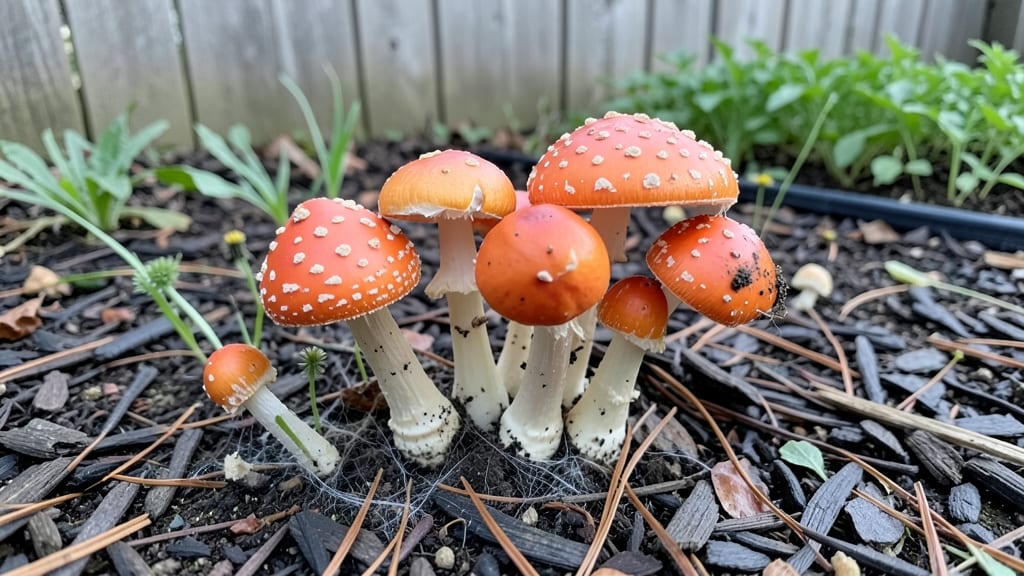
When those weird mushrooms start growing in my garden, it’s not just odd—it’s a sign your soil needs attention. 🌿 I’ve pulled dozens of these fuzzy, slimy, or downright creepy growths from my own yard, and each one taught me something about soil. health, moisture, and hidden problems beneath the surface.
The first step is never to panic—most garden mushrooms aren’t toxic, but some can weaken plants or spread like wildfire. I’ll show you how to tell the difference between harmless puffballs and aggressive invaders like Armillaria (the "shelf fungus" that attacks roots).
Grab gloves, a bucket, and a sharp knife—this isn’t just cleanup, it’s detective work.
By the end, you’ll know exactly which mushrooms to remove (and how to do it safely), which ones might actually help your garden, and how to tweak your soil so they never come back.
Think of this as a fungal spring cleaning—your plants will thank you with stronger roots and fewer surprises.
We’ll also cover when to call in reinforcements (yes, some mushrooms need a mycologist’s eye) and how to prevent future outbreaks without harsh chemicals. Your garden’s health starts at the soil level—let’s get it right.
Understanding Unexpected Fungal Growth
Finding strange mushrooms sprouting in your garden can feel like a mystery from a fantasy novel—where did they come from, and why now? The truth is far less magical (and far more scientific) than you might think.
These unexpected fungal visitors are usually the result of natural processes gone slightly awry, often triggered by conditions in your soil, climate, or even your gardening habits. Let’s break down the most common reasons these weird mushrooms pop up in your backyard.
Fungi thrive in environments that are damp, rich in organic matter, and teeming with decomposing material. If your garden soil meets these criteria, you’ve essentially created a five-star fungal resort. Here’s why:
- Excess Moisture: Fungi love water—think of them as the aquatic athletes of the plant world. If your garden retains too much moisture (whether from overwatering, poor drainage, or heavy rainfall), spores germinate and grow rapidly. Pro tip: Test your soil’s drainage by digging a small hole, filling it with water, and timing how long it takes to drain. If it sits for more than a few hours, your soil may be too soggy for most plants—and fungi.
- Decaying Organic Matter: Leaves, wood chips, compost, or even old plant debris create the perfect buffet for fungi. As these materials break down, they release nutrients that fungi feast on. Pro tip: If you’re using mulch or compost, ensure it’s well-aerated and not compacted. Turn compost piles regularly to speed up decomposition and reduce fungal growth.
- pH Imbalance: Fungi prefer slightly acidic to neutral soil (pH 5.0–7.0). If your soil is too alkaline (high pH), it can stress plants and create conditions where fungi outcompete beneficial microbes. Pro tip: Test your soil’s pH with a simple kit from a garden center. If it’s off, amend it with sulfur (to lower pH) or lime (to raise pH) gradually.
Fungi are opportunists, and Mother Nature often hands them the perfect opportunity. Weather conditions can turn your garden into a fungal hotspot overnight:
- Prolonged Rain or Humidity: Fungal spores need moisture to activate. A week of steady rain or high humidity can trigger a mushroom explosion. Pro tip: Improve airflow around plants by pruning dense foliage and spacing them properly. This reduces humidity at ground level, making it less hospitable for fungi.
- Temperature Swings: Cool, damp springs and falls are prime mushroom seasons. Fungi grow best between 50–80°F (10–27°C), so if your garden experiences mild temperatures with moisture, you’re in for a fungal party. Pro tip: Monitor your local weather forecasts. If you’re entering a cool, wet period, take preventive measures like reducing irrigation or applying a light layer of mulch to dry out the soil surface.
- Frost or Freeze-Thaw Cycles: Sudden temperature drops can damage plant roots, creating entry points for fungal invaders. The stress weakens plants, making them more susceptible to infections. Pro tip: Mulch heavily in fall to insulate soil and protect roots from extreme temperature shifts.
Healthy plants are less likely to host unwanted fungi because their natural defenses keep pathogens in check. But when plants are stressed, they become vulnerable. Here’s how stress opens the door for mushrooms:
- Overcrowding or Poor Airflow: Dense plantings trap moisture and limit sunlight, creating the perfect conditions for fungi to thrive. Pro tip: Thin out overcrowded plants and ensure at least 12–24 inches of space between them for adequate airflow.
- Nutrient Deficiencies: Plants lacking essential nutrients (like nitrogen, phosphorus, or potassium) weaken and become more susceptible to fungal infections. Pro tip: Conduct a soil test to identify deficiencies. Amend soil with compost or balanced fertilizer to boost plant health.
- Physical Damage: Injuries from pruning, pests, or even harsh winds can create wounds where fungi enter. Pro tip: Use clean, sharp tools when pruning to minimize damage. Avoid pruning during wet conditions, which can introduce spores to fresh cuts.
Fungal spores are everywhere—in the air, soil, and even on tools or shoes. They can lie dormant for years, waiting for the right conditions to activate. Here’s how they might be sneaking into your garden:
- Contaminated Tools or Soil: If you’ve recently moved soil from another location (like a wild area or a neighbor’s yard), you might have unknowingly introduced fungal spores. Pro tip: Sterilize tools with rubbing alcohol between uses, and avoid bringing in soil from unknown sources.
- Animal Activity: Wildlife like squirrels, rabbits, or even earthworms can disturb soil and spread spores. Pro tip: Use physical barriers (like chicken wire) to protect young plants from burrowing animals.
- Wind or Water Spread: Spores hitchhike on wind currents or rainwater, landing in your garden and germinating if conditions are favorable. Pro tip: Create a buffer zone around your garden with low-growing, fungal-resistant plants (like clover or thyme) to reduce spore deposition.
Now that you know the science behind these unexpected visitors, you’re better equipped to address the root causes. The next step? Learn how to safely remove them and prevent future fungal parties in your garden.
How to Remove and Prevent Fungal Growth
Got unexpected mushrooms popping up in your garden? Don’t panic—there are practical ways to tackle them. Below, we’ll break down solutions based on the most common causes, from overwatering to poor soil drainage. Each fix is designed to be easy, effective, and garden-friendly.
If your garden is soggy or poorly drained, mushrooms thrive in the damp, oxygen-deprived conditions. Here’s how to dry it out and prevent future growth:
💧 Step 1: Improve Drainage
- Test your soil: Dig a small hole (6–8 inches deep) and fill it with water.
If it drains slowly (over 4+ hours), your soil is too compacted. - Add organic matter: Mix in compost, coconut coir, or perlite to loosen heavy clay or sandy soil.
Aim for a 2–3 inch layer over the affected area. - Raised beds or mounds: If drainage is chronically poor, consider elevating plant beds or creating small mounds for moisture-sensitive plants.
🌡️ Step 2: Adjust Watering Habits
- Water deeply but less often: Instead of daily light sprinkles, give plants 1–1.5 inches of water per week (including rainfall).
Use a soaker hose or drip irrigation to target roots. - Water in the morning: This reduces evening moisture, giving soil time to dry before nightfall. - Avoid overhead watering: Splashing water onto leaves can spread fungal spores. Stick to base irrigation when possible.
✨ Pro Tip:
If mushrooms are already growing, remove them at the base (where the cap meets the stem) to prevent regrowth. Sprinkle dry sand or wood chips over the area to absorb excess moisture.
Mushrooms often sprout from rotting logs, stumps, or thick mulch. Here’s how to clean up and keep your garden fungus-free:
🪓 Step 1: Remove the Source
- Chop or burn wood debris: If mushrooms are growing on stumps or logs, cut them down or chip them into smaller pieces (they’ll decompose faster).
- Replace thick mulch: If mulch is too dense (over 3–4 inches), spread it thinner or switch to cedar or pine straw, which resist fungi better.
- Aerate compost piles: Turn compost regularly to speed up decomposition and reduce mushroom spores.
🧹 Step 2: Sanitize the Area
- Scrub with vinegar or hydrogen peroxide: Spray a 50/50 vinegar-water mix or 3% hydrogen peroxide on the soil where mushrooms grew.
This kills spores without harming plants. - Apply lime (optional): For acidic soils, sprinkle gardening lime to raise the pH slightly—many fungi dislike alkaline conditions.
💡 Prevention Tip:
Store firewood elevated and off the ground to prevent mushrooms from colonizing it. Keep mulch at least 6 inches away from tree trunks to improve airflow.
If your soil is freshly tilled or over-fertilized, mushrooms may appear as nature’s way of recycling excess nutrients. Here’s how to balance it:
🌿 Step 1: Reduce Fertilizer Use
- Switch to slow-release fertilizers: Fast-acting nitrogen (like fresh manure or synthetic granules) fuels fungal growth.
Use composted manure or organic pellets instead. - Test your soil: A DIY soil test kit (or lab test) can show if phosphorus or nitrogen levels are too high. Adjust fertilizers accordingly.
🔄 Step 2: Plant Fungal Competitors
- Add mycorrhizal fungi: These beneficial fungi outcompete harmful ones. Mix mycorrhizal inoculant into soil when planting trees or perennials.
- Plant clover or nitrogen-fixing cover crops: These suppress weeds and reduce excess nutrients that feed mushrooms.
🎯 Long-Term Fix:
If mushrooms keep returning, plant dense ground covers (like creeping thyme or moss) to block light and smother spores.
While most garden mushrooms are harmless, some indicate serious soil issues (like armillaria root rot or honey fungus).
If you see: - Mushrooms growing in a ring (fairy rings) with dying grass inside. - Conks (shelf fungi) on tree bases—signs of wood-rotting fungi. - Mushrooms appearing year after year despite fixes.
Contact a local arborist or extension service for a soil analysis and targeted treatment.
Final Thought: Most garden mushrooms are a sign your soil needs a little TLC—not a disaster. With better drainage, smarter watering, and a few simple adjustments, you’ll send those fungi packing for good! 🍄➡️🌱
Frequently asked questions about unexpected fungal growth
Are all mushrooms growing in my yard dangerous?
Most garden mushrooms are harmless, but some can signal deeper soil issues. Common puffballs or fairy ring mushrooms are usually safe, while shelf fungi (like Armillaria) or mushrooms growing in rings with dying grass may indicate root rot. When in doubt, snap a photo and check local mycology resources or extension services.
Why do mushrooms keep coming back after I remove them?
Fungal spores are persistent—they can survive in soil for years. If mushrooms return, you likely missed the root network (mycelium) beneath the surface. Dig deeper, improve drainage, and consider adding composted bark or sand to disrupt their growth cycle.
Can I compost mushrooms I find in my garden?
Only if you’re certain they’re non-toxic (like puffballs or oyster mushrooms). Avoid composting mushrooms with gills (like Psathyrella)—they may harbor pathogens. Instead, dispose of them in yard waste or burn them (if safe in your area) to prevent spore spread.
Will vinegar or hydrogen peroxide really kill mushroom spores?
Yes! A 1:1 vinegar-water spray or 3% hydrogen peroxide disrupts fungal cell walls. Apply directly to the soil where mushrooms grew, then rinse with water. For stubborn cases, repeat weekly until new growth stops. This method is safe for plants and won’t harm beneficial microbes.
How do I know if my soil is too wet for plants?
Test drainage by digging a 6-inch hole, filling it with water, and timing how long it takes to drain. If water sits for over 4 hours, your soil is too compacted. Add coarse sand or perlite to improve airflow, or plant in raised beds to prevent future fungal outbreaks.