
Diseases
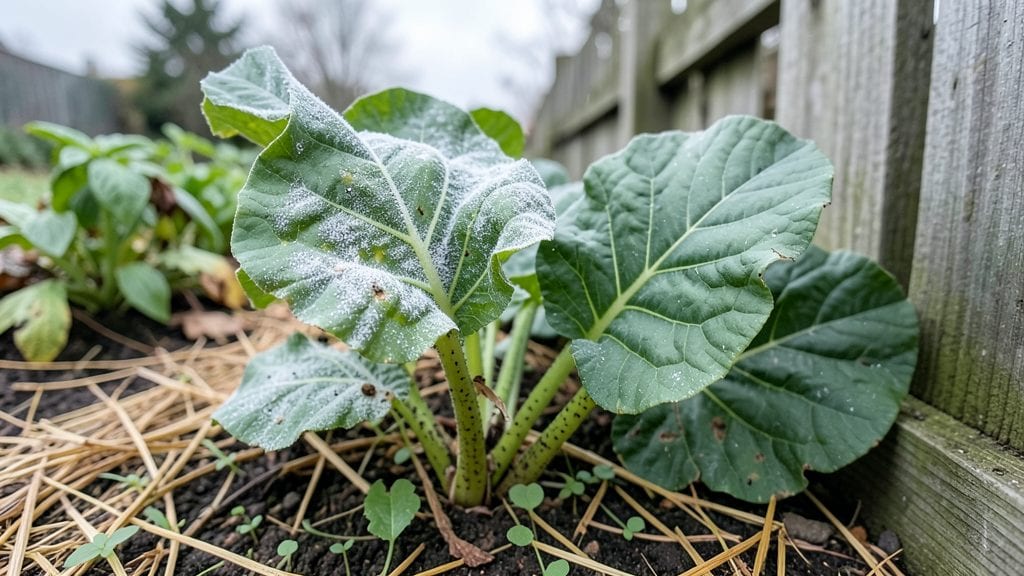
Identifying garden fungus types is the first step to saving your plants before they turn into a sad, brown mess. 🌱 I’ve seen powdery mildew turn vibrant roses into ghostly white skeletons and rust fungi turn healthy leaves into rust-colored crumbles—both in just a few weeks.
The key is spotting the early signs: white powder, orange spores, or weird spots that spread like ink in water.
Most garden fungi thrive when plants are stressed—too much water, poor airflow, or crowded roots create the perfect fungal buffet. Powdery mildew loves shady, humid spots, while rust fungi often attack leaves in wet springs. Mushrooms popping up in your lawn?
That’s usually harmless, but if they’re sprouting from plant roots, your garden’s in trouble. The good news? Catching these early means simple fixes like pruning, better spacing, or a quick spray of baking soda mix can turn things around.
You’ll learn to tell the difference between harmless slime molds and destructive blight, plus how to prevent future outbreaks without harsh chemicals. A little prevention—like watering at the base, not overhead, or choosing resistant plant varieties—goes a long way.
Think of this as your fungus-fighting field guide: no more guessing what’s killing your garden.
Whether you’re dealing with a single infected leaf or a full-blown outbreak, this guide keeps it simple. No lab equipment needed—just your eyes, a little knowledge, and the right tools to stop the spread. Let’s get those plants healthy again.
Root Causes Of Fungal Growth
Fungal spores are always lurking in gardens—like tiny, invisible seeds waiting for the perfect storm to bloom. But why do some conditions turn your lawn or plants into a fungal buffet? The answer lies in a mix of environmental factors, plant health, and even human habits.
Understanding these triggers helps you prevent outbreaks before they ruin your green spaces. Let’s break down the science behind why fungi thrive—and how to starve them out.
Fungi love moisture like a desert loves rain. When soil stays soggy for too long, spores germinate and spread rapidly. Here’s why this happens:
- Oxygen deprivation: Waterlogged soil cuts off oxygen, creating the ideal anaerobic (low-oxygen) environment fungi need to grow. Example: Mushrooms popping up after heavy rain? That’s nature’s way of saying, “Too much H₂O!”
- Spore activation: Many fungi (like Phytophthora, the root rot culprit) require consistent moisture to infect plants. A single drenching won’t trigger growth—it’s the daily dampness that does the damage.
- Thatch buildup: Thick thatch (that spongy layer of dead grass) traps moisture and blocks airflow. Actionable fix: Aerate your lawn in spring or fall to improve drainage.
✨ Pro Tip: Water deeply but infrequently—aim for 1–1.5 inches per week (including rain). Early morning is best; evening watering leaves foliage damp overnight, inviting fungal feasts.
Fungi aren’t fans of extremes—they prefer warm, humid conditions, like a tropical vacation for microbes. Here’s the science:
| Fungal Type | Ideal Temp Range | Humidity Trigger | Real-World Example |
|---|---|---|---|
| Powdery Mildew | 60–80°F (15–27°C) | High humidity (>75%) + poor airflow | White dust on rose leaves in summer |
| Rhizoctonia (Brown Patch) | 75–85°F (24–29°C) | Nighttime dew + thick turf | Circular dead patches in lawns |
| Armillaria (Shelf Fungus) | 50–70°F (10–21°C) | Moist, shaded soil | Honey-colored mushrooms at tree bases |
💡 Key Insight: Fungi hibernate in cold or dry conditions. Break their cycle by improving airflow (prune bushes, space plants 12+ inches apart) and avoiding evening watering to reduce humidity.
Healthy plants resist fungi like a fortress resists invaders. But stress opens the gates. Common stressors:
- Nutrient deficiencies: Low nitrogen or potassium weakens cell walls, making plants easier targets. Example: Yellowing leaves (chlorosis) often signal nitrogen starvation—fungi exploit this.
- Physical damage: Pruning wounds, insect bites, or even harsh mowing create entry points. Fact: Lawns scalped too low (below 2–3 inches) are 3x more susceptible to fungal diseases.
- Compaction: Compacted soil restricts root growth, starving plants and making them fungus magnets. Test it: Stick a screwdriver in—if it won’t go past 3 inches, your soil is too dense.
🔥 Fix It: Feed plants with balanced fertilizer (look for NPK ratios like 10-10-10) and avoid over-fertilizing with nitrogen alone—it promotes lush growth but weakens disease resistance.
Fungi eat dead plant matter. Leaves, mulch, and even old roots provide the nutrients they crave. Here’s how it plays out:
- Thatch and mulch: Thick layers of organic material (like wood chips or grass clippings) create a fungal buffet. Example: Slime molds thrive in damp mulch, turning it into a glowing, slimy mess.
- Dead roots and stems: Fungi like Armillaria (shelf fungus) attack decaying wood and roots. Action: Remove all dead plant material from garden beds.
- Compost piles: While compost is great for soil, hot composting (140°F+) kills spores. Cold compost (below 120°F) can spread fungi instead of breaking them down.
🎯 Prevention:
- Rake up fallen leaves regularly—don’t let them smother lawns.
- Use straw mulch (not wood chips) near plants—it breaks down faster and holds less moisture.
- Solarize soil in summer (cover with clear plastic for 4–6 weeks) to kill fungal spores naturally.
🔍 Remember: Fungal growth isn’t just about “too much water” or “dirty gardens”—it’s a perfect storm of moisture, warmth, and weak defenses. By addressing these root causes, you’ll dramatically reduce your garden’s fungus appeal. Next up: How to Identify Common Types before they take over!
Practical fixes for common fungus issues
Fungal infections in your garden can feel like an uphill battle, but with the right strategies, you can restore your plants’ health and prevent future outbreaks.
Below, we’ve mapped out targeted solutions for the most common causes of garden fungus, from overwatering to poor airflow, along with preventive tips to keep your green space thriving.
Signs: Yellowing leaves, mushy stems, or moldy soil that smells sour. Why it happens: Excess moisture suffocates roots and invites pathogens like Phytophthora or Pythium.
How to Fix It:
- 🔥 Stop Watering Immediately
- Let the soil dry out completely before watering again. Stick your finger 1–2 inches into the soil—if it’s damp, wait.
- 🍳 Improve Drainage
- Add organic matter (compost or coconut coir) to heavy clay soil to loosen it.
- For container plants, drill drainage holes in pots and use well-draining mixes (e.g., 60% potting soil, 30% perlite, 10% vermiculite).
- 👨🍳 Prune Affected Areas
- Snip off blackened or mushy stems with sterilized shears (wipe with rubbing alcohol between cuts).
- Remove infected leaves and dispose of them in the trash (not compost).
- ⏰ Adjust Your Watering Schedule
- Water early in the morning (6–9 AM) to allow foliage to dry by nightfall.
- Use a soaker hose or drip irrigation to deliver water at the roots, avoiding wet leaves.
💡 Prevention Tip:
- Test your soil’s drainage by digging a 6-inch hole, filling it with water, and timing how long it takes to drain. Ideal: 4–6 hours.
Signs: White powdery patches, orange rust spots, or stunted growth. Why it happens: Fungi like Erysiphe (powdery mildew) and Puccinia (rust) thrive in stagnant, humid air and dense foliage.
How to Fix It:
- 🌡️ Boost Air Circulation
- Space plants 18–24 inches apart (or thin out overgrown shrubs).
- Use a fan on low speed near susceptible plants (e.g., roses, squash) to keep air moving.
- ✨ Apply Fungicidal Sprays (Organic Options First) - Baking soda spray: Mix 1 tsp baking soda + 1 tbsp oil + 1 tsp dish soap per gallon of water. Spray every 7–10 days. - Neem oil: Apply 2–3 times weekly (follow label rates).
It disrupts fungal spores without harming plants. - Copper fungicide: For severe cases, use liquid copper (e.g., Bonide Copper Fungicide) as a last resort.
- 🎯 Remove Infected Leaves
- Wipe down leaves with a damp cloth to physically remove mildew.
- For rust, prune and destroy infected leaves immediately (don’t compost them).
💡 Prevention Tip:
- Water at the base (avoid overhead sprinkling) and mulch with straw to reduce soil splashing onto leaves.
Signs: Slimy orange/yellow patches, wilting, or dark lesions on stems. Why it happens: Organic debris (leaves, mulch) traps moisture, creating a breeding ground for Physarum (slime mold) or Alternaria (blight).
How to Fix It:
- 🔪 Clean Up Debris
- Rake away fallen leaves, spent mulch, and plant waste from beds and pathways.
- Sterilize tools with 70% isopropyl alcohol before and after use.
- 🥘 Rotate Crops Annually
- Avoid planting the same family (e.g., tomatoes, peppers) in the same spot for 2–3 years to break fungal cycles.
- 📊 Use Reflective Mulch
- Silver plastic mulch or gravel reflects sunlight, drying out soil and deterring fungi.
💡 Prevention Tip:
- Solarize soil in late summer: Cover beds with clear plastic for 4–6 weeks to kill fungal spores with heat (temperatures >104°F).
Signs: Pale leaves, weak stems, or slow recovery after stress. Why it happens: Fungi exploit stressed plants lacking key nutrients (e.g., phosphorus, potassium).
How to Fix It:
- 💪 Fertilize Strategically
- Use a balanced fertilizer (10-10-10) or compost tea to boost overall health.
- For fungal-prone plants (e.g., tomatoes), add potassium-rich amendments like wood ash or banana peels.
- 🥗 Boost Beneficial Microbes
- Apply mycorrhizal fungi (e.g., MycoApply) to help roots resist pathogens.
- Avoid synthetic fungicides that kill beneficial soil organisms.
💡 Prevention Tip:
- Test your soil every 2–3 years to check pH and nutrient levels. Aim for pH 6.0–7.0 for most garden plants.
Final Reminder: 🌱 Prevention is easier than cure! Regularly inspect plants, practice good hygiene, and adjust care routines to keep fungi at bay. With these fixes, your garden will bounce back stronger—and stay healthier long-term.
Frequently asked questions about garden fungi
Are all garden fungi harmful to plants?
No—many fungi are actually beneficial! For example, mycorrhizal fungi form symbiotic relationships with plant roots, helping them absorb nutrients. Even mushrooms (like the common button mushroom) are harmless unless they’re growing from diseased roots. The dangerous ones are pathogens like powdery mildew or rust, which spread rapidly and weaken plants.
How can I tell if my lawn mushrooms are dangerous?
Most lawn mushrooms are harmless and break down organic matter. Look for these red flags: mushrooms growing in clusters at the base of dying plants (could indicate root rot) or small, blackened stems beneath them. If your grass has circular brown patches with mushrooms popping up, it might be Rhizoctonia—a lawn disease.
Can I use household items to treat fungal infections?
For mild cases, try these DIY fixes: A baking soda spray (1 tsp baking soda + 1 tbsp oil + 1 tsp dish soap per gallon of water) works against powdery mildew. Hydrogen peroxide (3%) at 1:10 dilution can disinfect tools and soil. Just avoid vinegar—its acidity can harm plants and may not kill all spores.
Why do some plants get fungus while others nearby stay healthy?
Fungal outbreaks often target stressed plants. Check for differences in watering (overhead vs. base), sunlight exposure, or nutrient levels. For example, roses in shade might develop powdery mildew while sun-exposed ones stay clear. Also, some plant varieties are naturally resistant—like certain tomato types that resist blight.
Is it safe to compost plant material with fungal infections?
Only if you use hot composting (temperatures above 140°F). Cold compost piles (below 120°F) can spread spores. For infected material, bag it and throw it away, or solarize it (cover with clear plastic for 4–6 weeks in summer) to kill pathogens before composting.