
Watering
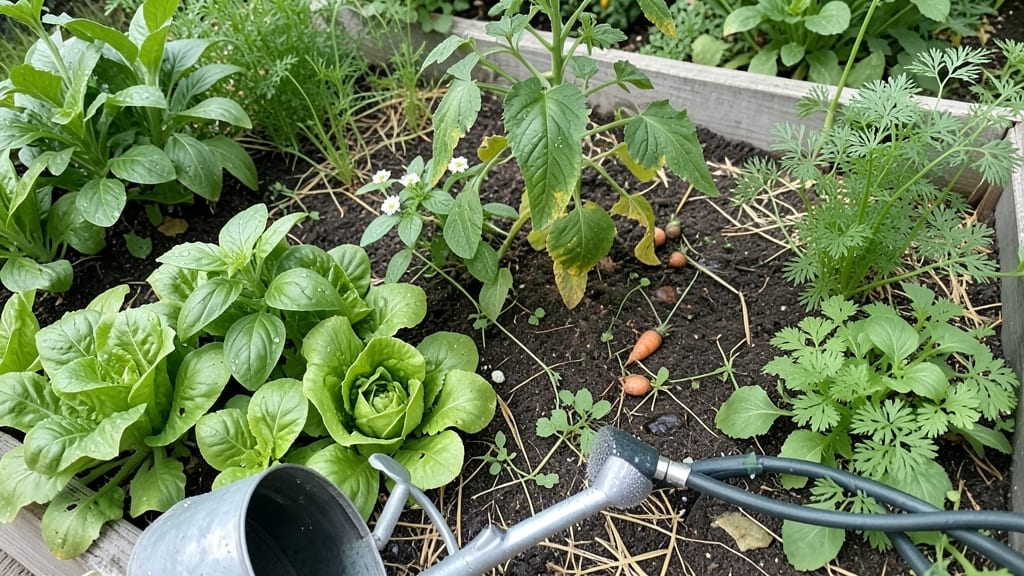
Watering your veg garden isn't just about keeping plants alive—it's about unlocking their full potential, and I've learned the hard way that timing makes all the difference. 🌱 After years of trial and error (and a few sad, wilted zucchini plants), I finally cracked the code: deep, infrequent watering that matches each plant's needs.
The right schedule turns a patchy garden into a thriving, productive powerhouse where tomatoes stay firm, lettuce stays crisp, and roots grow deep instead of shallow.
You don't need fancy equipment—just a good watering can, a moisture meter, or even your finger to check soil depth. The key is consistency: watering early in the morning so leaves dry quickly, avoiding soggy soil that invites disease, and adjusting for your climate.
In hot summers, I water twice daily, while in cooler months, once every few days keeps everything happy. Even my black thumb can't mess this up once you get the rhythm.
What you'll end up with is vegetables that taste better, grow faster, and resist pests naturally. The soil stays loose and crumbly, roots spread where they need to, and you waste less water because plants only take what they need.
No more guesswork about whether the plants are thirsty or just tired from the heat. By the end of the season, you'll be the neighbor everyone asks for gardening advice.
This method works in containers, raised beds, or in-ground gardens, and adapts easily to different soil types—sandy, clay, or loamy. Whether you're growing in the desert Southwest or a damp Pacific Northwest climate, the principles stay the same. Let's get those roots drinking deep and your garden thriving.
📚 In This Guide
- What you need
- Instructions
- Tips and common mistakes
- Wrapping up and next steps
What you need
- ● Watering Can (5-10 gallons) – Opt for a lightweight, durable model with a rose attachment for gentle watering.
- ○ Hose with Adjustable Nozzle – A low-pressure setting prevents soil erosion. Optional: Add a soaker hose for deep, slow hydration.
- ● Watering Timer – Smart or mechanical, programmable for early morning (6-8 AM) sessions.
- ● Moisture Meter – Ensures 1-inch soil depth stays consistently damp (not soggy!).
- ● Mulch (2-3 inches) – Straw, wood chips, or shredded leaves to retain moisture and suppress weeds.
- ● Buckets or Rain Barrels (5+ gallons) – Collect rainwater (free and nutrient-rich!) for eco-friendly watering.
- ● Drip Irrigation System – Automated, efficient for large gardens; saves water and time.
- ● pH Test Kit – Monitor water acidity (6.0-7.0 ideal) to avoid nutrient lockout.
- ● Garden Gloves & Kneeling Pad – Protect your hands and knees during setup!
- ● Shade Cloth (for seedlings) – Prevents overheating during hot-watering sessions.
How to water a vegetable garden for consistent growth
Mastering the right watering rhythm keeps your veggies strong and productive—here's how I do it without guesswork.
💧 Step 1: Water Deeply at Planting Time
Right after planting, give your vegetables a thorough soaking to settle the soil around roots. Use the 1 gallon per plant rule for established plants, but for newly planted seedlings, aim for ½ gallon per plant to avoid overwhelming them. Water slowly at the base until moisture reaches 6 inches deep—you'll see it when the soil feels damp all the way down.
I use a soaker hose or watering wand for this because it delivers water directly to the roots without disturbing the soil surface. Avoid overhead watering at this stage—it can wash away fresh mulch and spread disease spores. Water in the early morning so leaves dry quickly, reducing fungal risks.
☀️ Step 2: Establish a Consistent Watering Schedule
Most vegetables need 1-1½ inches of water per week, delivered either through rainfall or irrigation. I check soil moisture by sticking my finger 1-2 inches down—if it feels dry, it's time to water. For leafy greens like lettuce and spinach, keep the soil evenly moist but never soggy. Root crops like carrots and potatoes prefer deep, infrequent watering to encourage strong taproots.
Set a reminder for deep watering every 3-4 days during hot weather, adjusting for cooler seasons. Mulching with 2-3 inches of organic mulch helps retain moisture and reduces evaporation. Watch for wilting leaves—this is your signal to water immediately, but don't overcompensate by drowning the roots.
⏰ Step 3: Adjust for Weather and Growth Stages
During peak heat (85°F+), increase watering to every 2-3 days, delivering 1½-2 inches of water per week. Young plants and seedlings need more frequent watering—every 1-2 days—because their root systems are still shallow. As plants mature, their roots grow deeper, so you can space waterings further apart.
I always water in the early morning (6-9 AM) to minimize evaporation and fungal growth. Avoid evening watering, as wet foliage overnight invites diseases like powdery mildew. If rain is forecast, skip scheduled watering to prevent over-saturation—soil should never feel mushy or puddle around plant bases.
🌿 Step 4: Monitor and Troubleshoot Common Issues
Yellowing leaves often mean overwatering or poor drainage. Let the top 1-2 inches of soil dry out between waterings if you notice this. Blossom end rot in tomatoes? It's usually from inconsistent moisture—keep soil evenly damp during fruiting. For wilting despite moist soil, check for pests like aphids or spider mites, which stress plants by sucking sap.
I keep a small notebook nearby to track watering patterns and plant responses. Note which vegetables need more or less water, and adjust accordingly. Drip irrigation is my go-to for large gardens—it delivers water slowly and directly to the root zone, saving time and reducing waste. If using a sprinkler, water for 30-60 minutes to ensure even coverage.
Tips & tricks for perfect vegetable garden watering
Here's what I've learned after years of trial and error in my own garden—these little details make all the difference.
Soil Depth Check: When watering in Step 1, don't just eyeball the moisture—use a long screwdriver or metal rod to check 6 inches down. Sandy soil drains faster, so you might need to water twice to reach that depth, while clay soil holds moisture longer. I mark my watering can at the 6-inch level to avoid guessing. This ensures roots get the hydration they need without wasting water.
Watering Time Strategy: The early morning window (6-9 AM) is non-negotiable for me. I set my coffee timer for 7 AM as a reminder because this timing prevents fungal growth while giving plants a full day to absorb moisture. If you must water later, aim for at least 3 hours before sunset to allow foliage to dry completely. During peak heat (85°F+), I actually start watering at 5 AM to combat evaporation—this is when plants need that extra attention.
Equipment Upgrade: A simple rain gauge (just $10 at garden centers) transforms your watering game. Place it in your garden bed to track exactly how much water you're delivering. Most sprinklers only provide about ½ inch per hour, so you'll need to run them for 30-60 minutes to meet the 1-1½ inch weekly requirement. I keep mine in my tool shed and check it weekly to adjust my watering schedule accordingly.
Visual Wilting Cues: Not all wilting means your plants are thirsty! Check the leaves first—if they're limp but still firm to the touch, it's usually water. But if leaves feel soft or mushy, you're dealing with overwatering or disease. I learned this the hard way with my tomato plants—what looked like drought stress was actually early blight from too much moisture. Always check the soil first before reaching for the hose.
Pro Tips for Watering Veg Garden
- Here's what I've learned after years of trial and error in my own garden—these little details make all the difference.
- Soil Depth Check: When watering in Step 1, don't just eyeball the moisture—use a long screwdriver or metal rod to check 6 inches down.
- Watering Time Strategy: The early morning window (6-9 AM) is non-negotiable for me.
Frequently asked questions
Got questions about keeping your veggie garden hydrated without the guesswork?
Here are answers to the most common concerns—so you can water like a pro and watch your plants flourish!
How often should I water my vegetable garden?
Most veggies need 1–1.5 inches of water per week, including rainfall. Water deeply 2–3 times per week (early morning is best) to encourage strong roots. Leafy greens like lettuce prefer frequent, shallow watering, while tomatoes and peppers thrive with deeper, less frequent soaks. Check soil moisture 1–2 inches down—if it’s dry, it’s time to water!
What’s the best time of day to water my veggie garden?
Water early morning (5–9 AM) to minimize evaporation and fungal diseases. Avoid evening watering, as damp foliage overnight can invite pests and mildew. If you must water later, aim for late afternoon—just leave enough time for leaves to dry before sunset. Pro tip: Use a drip irrigation system to deliver water slowly and efficiently at any time!
Can I use rainwater or collected water for my vegetable garden?
Rainwater is chemical-free and ideal for veggies, as it lacks the chlorine and minerals found in tap water. Collect it in barrels or use a rain chain system. Just ensure containers are clean and covered to prevent mosquito breeding. Bonus: Rainwater is slightly acidic, which many plants (like tomatoes and peppers) love!
Why are my vegetable leaves turning yellow or wilting, even after watering?
Yellowing leaves often signal overwatering (root rot) or underwatering (dry roots). Check soil moisture and adjust your routine. Wilting can also mean poor drainage—amend heavy soil with compost or perlite. If pests like aphids are present, they suck sap, causing wilting. Inspect plants closely and adjust watering or treat pests accordingly.
What’s the easiest way to tell if my veggie garden needs water?
Stick your finger 1–2 inches into the soil. If it feels dry, it’s time to water. For a visual cue, look for wilted leaves or soil pulling away from pot edges (in containers). A soil moisture meter ($10–$20) takes the guesswork out—just insert it and follow the readings! Consistency is key: Stick to a schedule once you find your garden’s rhythm.
How do I adjust watering during extreme heat or drought?
During heatwaves, increase frequency—water daily in extreme cases—and mulch to retain moisture. For drought-prone areas, deep water 2–3 times per week (early morning) and group plants with similar needs. Drip irrigation or soaker hoses work best, as they deliver water directly to roots and reduce waste. Stress-resistant varieties (like Swiss chard or malabar spinach) handle dry spells better!
Wrapping up and next steps
Mastering the art of watering your veggie garden is all about consistency, timing, and observation—and you’ve got the tools to make it happen! 🌱 By understanding your plants’ needs, choosing the right methods, and adapting to your climate, you’ll set your garden up for a bountiful harvest.
Start small, track progress, and don’t forget to celebrate those first crisp tomatoes or juicy peppers—you’re growing more than just veggies, you’re cultivating confidence and skill.
Ready to take the next step? Grab your watering can or hose, head outside, and give your plants the love they deserve! 💧 And if you’re feeling ambitious, jot down your watering schedule in a garden journal—future you will thank present you.