
Tools
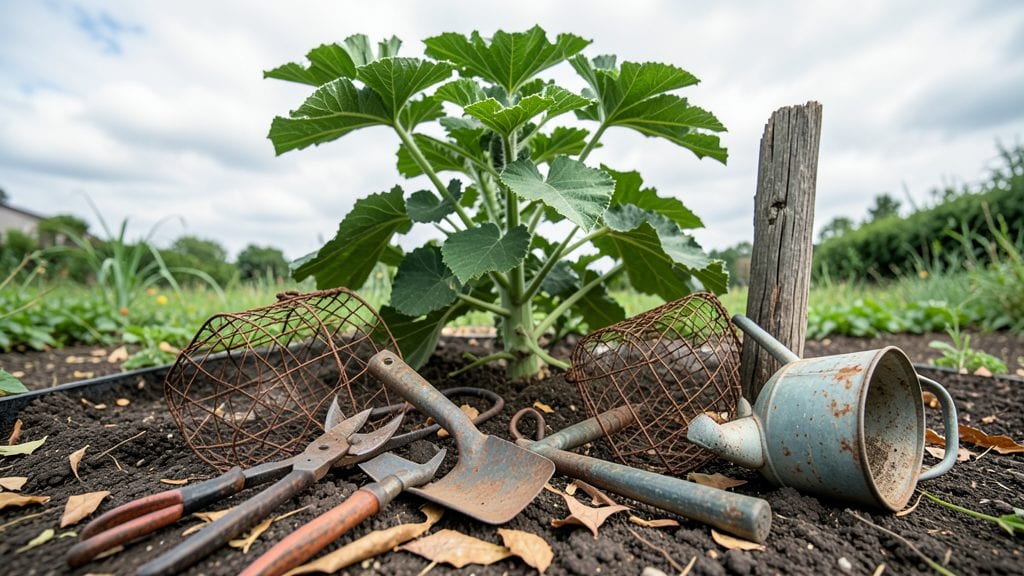
The world’s deadliest garden contains lethal flora like castor beans, oleander, and foxglove, which induce fatal poisoning through ingestion, inhalation, or skin contact. These plants produce toxins such as ricin, digitoxin, and grayanotoxins that attack critical organs, often with no antidote. Gardeners must verify plant safety before planting and use protective gear when handling unknown species.
The most dangerous plants in this category aren't just deadly—they can kill within hours.
Ricin from castor beans, for example, shuts down protein synthesis in cells, while foxglove's digitoxin overloads the heart with deadly electrical signals. 🌿 Even touching some plants like oleander can cause severe skin irritation or systemic poisoning.
What makes these plants particularly insidious is that many look harmless until you're already exposed. That's why I always recommend cross-referencing multiple sources before planting anything unfamiliar.
If you're curious about creating a garden that's both beautiful and safe, focus on non-toxic alternatives like sunflowers or lavender. These offer similar aesthetic benefits without the life-threatening risks. For existing gardens, I suggest conducting a thorough plant audit—especially if you have children or pets who might interact with foliage.
💡 In This Article
- Deadly Plant Toxins and Their Effects
- Safely Identifying and Handling Toxic Garden Plants
Deadly plant toxins and their effects
Here's what's actually happening at the cellular level when you encounter these lethal botanicals. Ricin from castor beans works by binding irreversibly to the ribosome's 60S subunit, halting protein synthesis in cells.
A single seed contains enough ricin to kill a human—about 0.0005 grams can be fatal—because it doesn't need to be ingested to work. Even inhaling ricin-contaminated dust can cause respiratory failure within 36-72 hours by triggering massive inflammation in lung tissue.
The foxglove's digitoxin takes a different approach by mimicking the body's natural potassium ions, which disrupts the heart's electrical signals. This cardiac glycoside causes a dangerous condition called ventricular fibrillation, where the heart beats erratically instead of pumping blood.
Chronic exposure leads to symptoms like blurred vision, nausea, and irregular heartbeat—often mistaken for heart disease. A lethal dose for adults sits around 2-5 milligrams, roughly the amount in 2-3 foxglove leaves, though children are far more vulnerable.
Rhododendron's grayanotoxins create a unique "mad honey" syndrome when consumed. These toxins bind to sodium channels in nerve cells, causing severe neurological symptoms like confusion, paralysis, and even cardiac arrest.
What's terrifying is that these toxins can persist in honey made from rhododendron nectar—historically causing mass poisonings in regions where bees forage on these plants. Symptoms typically appear within 6-12 hours and can last for days, with some victims experiencing long-term nerve damage.
The key difference between acute and chronic poisoning lies in exposure levels and timing. Acute poisoning occurs after a single large dose—like eating castor bean seeds—causing symptoms within minutes to hours.
Chronic poisoning develops from repeated small exposures, such as handling oleander daily without gloves, leading to cumulative organ damage over weeks or months. For example, oleander's cardenolides cause liver failure at 0.5-1 gram ingested, while skin contact can lead to blistering and systemic absorption.
What most people don't realize is how these toxins interact with modern medicine. Ricin poisoning has no antidote—supportive care is the only option—while digitoxin toxicity can sometimes be treated with digoxin immune fab antibodies. Grayanotoxin cases often require intensive cardiac monitoring.
The most critical factor in survival is immediate medical intervention, as delayed treatment dramatically reduces chances of recovery. Even with treatment, some victims face permanent organ damage or neurological deficits.
Consider these lethal dosages as a sobering reminder: a single castor bean seed contains enough ricin to kill a child, while foxglove leaves contain cardiac glycosides that can stop a heart in minutes.
The visual similarity of deadly plants to harmless ones—like oleander's striking pink blooms—makes identification crucial. Always verify plant safety through multiple botanical sources before introducing anything new to your garden.