
Watering
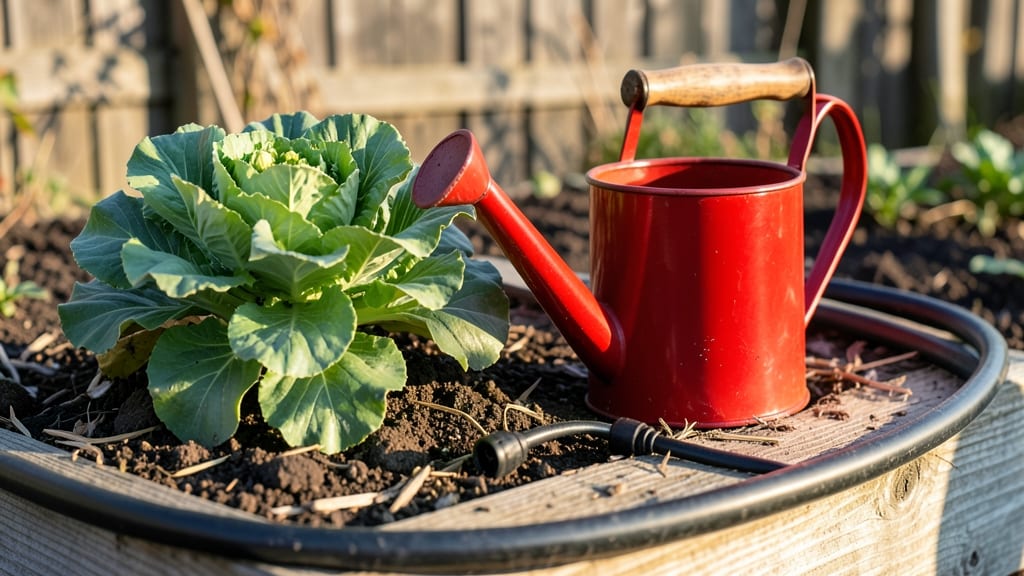
Watering garden at night harms plants by promoting fungal growth, increasing humidity-related stress, and slowing evaporation, which can drown roots. Early morning or late afternoon are ideal for optimal hydration and plant health.
Nighttime watering creates a damp, cool environment that fungal spores love, turning your garden into a breeding ground for diseases like powdery mildew. 🌱 The problem isn't just the moisture—it's how long the soil stays saturated overnight, cutting off oxygen to roots and slowing the natural drying process.
I've seen firsthand how plants wilt the next day when watered too late, even if they look fine afterward. The key is timing: watering when temperatures are cooler but humidity is lower gives plants the hydration they need without inviting pests or fungal infections.
For most plants, the 6-9 AM window is perfect—it gives roots time to absorb moisture before the heat of the day kicks in.
If you must water in the evening, aim for 4-5 PM when the air is still warm enough to help evaporation. Drip irrigation systems are a game-changer here, delivering water slowly at the soil level where it's needed most, without wetting leaves or creating that fungal-friendly environment.
Always check your soil first—if it's already damp, hold off until the next morning.
💡 In This Article
- How Night Watering Damages Plant Roots and Leaves
- Best Times to Water Plants for Maximum Growth
How night watering damages plant roots and leaves
Here's what's actually happening when you water after dark: the combination of cool nighttime temperatures and prolonged soil moisture creates the perfect storm for fungal infections. Fungal spores like powdery mildew and black spot thrive in damp conditions, with humidity levels often exceeding 90% overnight.
These pathogens latch onto leaves within 6-12 hours of prolonged moisture, forming their signature white or black coatings that block sunlight and choke photosynthesis.
The real damage occurs at the roots too. Soil oxygen levels drop dramatically when saturated overnight—roots need 10-20% oxygen for respiration, but waterlogged soil can drop this to just 1-5%.
This suffocation causes roots to turn black and mushy, a condition called phytophthora rot, which spreads rapidly in cool, dark conditions. 🌑 What most gardeners don't realize is that even "light" watering at night can trigger this—plants can't regulate moisture loss when temperatures drop below 50°F, leading to overnight waterlogging.
Transpiration—how plants "sweat" excess water through leaves—grinds to a halt after sunset. During the day, plants lose 90-95% of their water through transpiration, which helps pull nutrients from the soil. At night, this process stops completely, leaving water trapped in the soil where it can't evaporate.
The result? Roots sit in stagnant water for hours, while leaves remain damp long enough for bacterial infections to take hold. This is why you'll often see yellowing leaves or stunted growth after consistent night watering.
Let's compare soil moisture retention between night and day watering. When you water at 7 AM, the sun's heat causes evaporation rates of 0.2-0.4 inches per hour—meaning excess moisture disappears quickly.
But at 8 PM, evaporation drops to just 0.02-0.05 inches per hour, leaving soil saturated for 12+ hours. This prolonged moisture isn't just about fungal growth—it also leaches vital nutrients from the soil faster, as water carries soluble minerals downward beyond root zones.
Consider what happens to your lawn after a nighttime sprinkler runs: that soggy feeling in the morning isn't just uncomfortable—it's a sign of root stress. Grass blades remain damp until midday, creating perfect conditions for dollar spot fungus, while the thatch layer stays waterlogged, preventing air exchange.
The same principles apply to vegetables—tomato plants watered at night develop blight spots within 5-7 days, while morning-watered plants stay disease-free for weeks longer. 🌱
The most critical factor is how quickly moisture moves through the plant system. During daylight hours, plants actively transport water from roots to leaves, creating a natural circulation that prevents stagnation. At night, this circulation halts, leaving water trapped where it can do the most damage.
Even drought-resistant plants like succulents struggle when watered after dark—their thick leaves can't dry quickly enough, leading to rot in the center where water pools.