
Tools
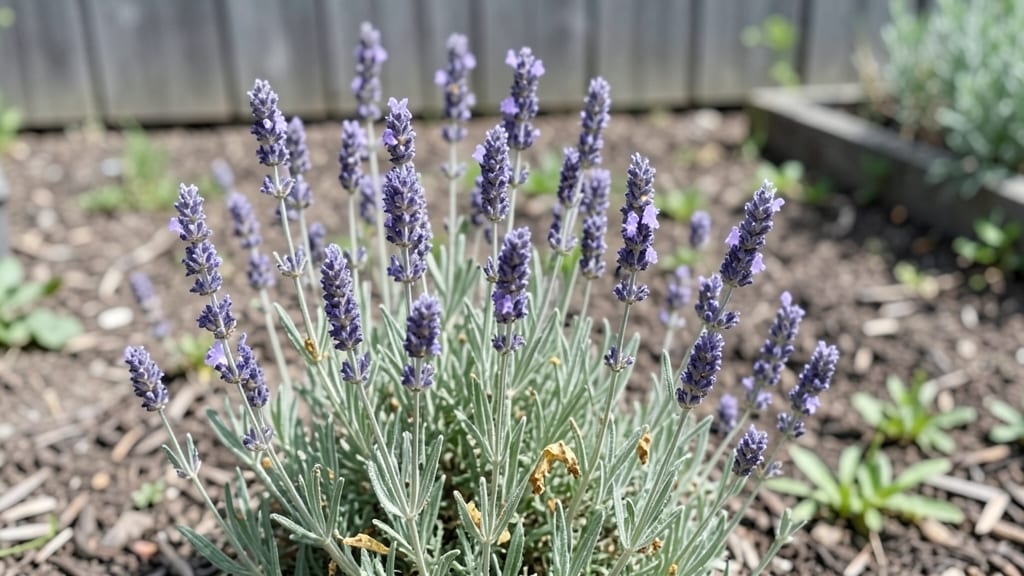
Gardening in Portugal turns your plot into a sun-drenched paradise where native plants thrive with minimal fuss. 🌿 The Mediterranean climate gifts you 300+ sunny days a year, but it also demands smart watering and shade strategies to keep roots happy.
I’ve spent years adapting my garden to Portugal’s heat—learning which plants beg for water and which barely need a sip.
Start with drought-tolerant stars like lavender, rosemary, and olive trees, which flourish in Portugal’s rocky, well-draining soils. Coastal gardens lean into salt-resistant varieties like bougainvillea and agave, while inland quintas (traditional estates) often feature citrus groves and grapevines.
The key? Mimic nature’s water cycles—mulch heavily, plant in swales, and group plants with similar needs.
You’ll end up with a garden that smells like sun-warmed herbs at dusk and stays lush even in August. The secret isn’t just the plants—it’s the layout: windbreaks of cypress or pine, raised beds for heat-sensitive veggies, and drip irrigation that runs at dawn.
My own courtyard now produces lemons year-round, thanks to these tweaks.
Works for city balconies, rural quintas, or coastal cliffs—just adjust for your microclimate. Whether you’re battling Algarve’s salt spray or Douro’s dry winds, these tricks keep your garden thriving without the stress. Let’s get those roots digging deep!
📚 In This Guide
- What you need
- Instructions
- Tips and common mistakes
- Wrapping up and next steps
What you need
- ● Garden Soil: 1–2 bags of universal potting mix (or local Portuguese terra vegetal for native plants). Opt for well-draining soil with added compost (e.g., humus de lombriz for nutrient boost).
- ● Watering Supplies: 1 drip irrigation kit (to conserve water in the heat).
- ● 1–2 watering cans (5–10L capacity) for precision.
- ● 1 hose with adjustable nozzle (for larger gardens).
- ● Hand Tools: 1 trowel (for transplanting seedlings).
- ● 1 pruning shears (bypass type, sharp for clean cuts).
- ● 1 garden fork (for aerating soil).
- ● 1 hand weeder (to tackle stubborn weeds).
- ● Sun Protection: 1 wide-brimmed hat or gardening gloves (UV-resistant).
- ● Sunscreen (SPF 30+) for exposed skin.
- ● 1 mulch (straw or wood chips) to retain moisture and suppress weeds.
- ● 1 pH test kit (to adjust soil acidity for specific plants, like citrus or olive trees).
- ● 1 wheelbarrow (for hauling soil or compost).
- ● 1 portable shade cloth (30–50% coverage for seedlings in intense sun).
- ● Native plant starters (e.g., lavender, rosemary, or tomateiros—Portugal’s beloved heirloom tomatoes!).
Instructions: mastering Portugal’s Mediterranean climate for year-round growth
Portugal’s sun-soaked summers and mild winters create ideal conditions for bold, drought-tolerant plants.
🌱 Step 1: Choose Native and Adapted Plant Varieties
Skip the impulse to plant familiar species. Instead, select plants naturally thriving in Portugal’s Mediterranean climate: lavender, rosemary, olive trees, and bougainvillea. These varieties have evolved to handle hot, dry summers and mild, wet winters without extra fuss. I always opt for drought-resistant succulents like sedum or aloe vera—they’ll reward you with minimal watering.
For vegetables, focus on heat-lovers like tomatoes, peppers, and eggplants, which flourish in Portugal’s long, sunny days. Avoid moisture-loving plants like lettuce or spinach unless you’re growing them in shaded, well-drained containers during peak summer. The key is matching your plants to Portugal’s microclimates—coastal areas stay milder, while inland regions can hit 100°F+ in summer.
☀️ Step 2: Optimize Soil and Drainage for Mediterranean Conditions
Portugal’s native soils often drain too quickly, so amend with organic matter to retain moisture without suffocating roots. Mix compost or well-rotted manure into the top 6-12 inches of soil to improve structure. I avoid heavy clay amendments—they bake hard in summer heat and repel water. Instead, top-dress with mulch (straw or wood chips) to shield roots from temperature swings.
Drainage is non-negotiable. If your garden sits in a low spot where water pools, raise beds or install French drains. Mediterranean plants hate soggy roots—even for a day. Test drainage by digging a 6-inch hole, filling it with water, and timing how long it takes to drain. If it takes more than 30 minutes, amend with sand or perlite before planting.
💧 Step 3: Water Deeply but Infrequently
Portugal’s intense sun demands deep, infrequent watering to encourage strong root systems. Water early in the morning (before 8 AM) to minimize evaporation and fungal risks. Aim for 1-2 inches of water per week, delivered in one long session rather than daily sprinkles. I use drip irrigation for established plants—it delivers water directly to roots and cuts waste by 50%.
For new plantings, water every 2-3 days until roots establish (4-6 weeks), then taper to weekly deep soakings. Watch for wilting leaves—a sure sign roots need moisture. But don’t overcorrect: overwatering in Portugal’s heat leads to root rot faster than drought. Stick your finger 2 inches into soil; if it’s dry, water. If damp, wait.
✂️ Step 4: Prune for Heat and Wind Resistance
Pruning in Portugal isn’t just about shape—it’s about survival. Thin out overcrowded branches to improve airflow, reducing humidity-related diseases. For rosemary and lavender, I shear back one-third of new growth in early spring to encourage bushier, heat-resistant forms. Avoid heavy pruning in peak summer—plants are already stressed by heat.
Deadhead spent blooms weekly to redirect energy into root growth. I also remove any yellowing or diseased leaves immediately—Portugal’s warm, humid summers create perfect conditions for powdery mildew. Use sterilized pruners and clean up debris to prevent spread. For fruit trees, prune in late winter to shape the canopy and let sunlight penetrate to the center.
🪴 Step 5: Protect Plants from Coastal Challenges
If you’re gardening near Portugal’s coast, salt spray and wind become your biggest enemies. Shield young plants with burlap windbreaks or plant tall, native grasses (like Stipa tenacissima) as living barriers. For containers, use unglazed pots—they wick away excess salt from irrigation water.
Fertilize lightly in coastal areas—salt buildup from seawater mist can burn roots. I switch to organic, slow-release fertilizers (like compost or worm castings) and flush soil with fresh water every 2-3 months. Monitor leaf edges for crispiness—a classic sign of salt stress. Move sensitive plants like citrus slightly inland if possible, or grow them in large, raised beds with extra drainage.
Tips & tricks for thriving gardens in Portugal’s Mediterranean climate
A few strategic adjustments can transform your garden into a resilient Mediterranean oasis. The key lies in understanding how Portugal’s unique climate demands specific approaches to plant selection, soil management, and watering techniques.
Plant Selection Wisdom: When selecting plants for Portugal’s 100°F+ inland summers, prioritize those with silver foliage like lavender or rosemary—they reflect sunlight and reduce heat stress. For coastal gardens, opt for wind-resistant varieties such as bougainvillea or Stipa tenacissima, which handle salt spray better than delicate species. I always test new plants in containers first to assess their tolerance before committing to permanent placement.
Soil Preparation Strategy: The 30-minute drainage test mentioned in Step 2 is non-negotiable—this ensures roots won’t suffocate. For heavy clay soils common in Portugal, I recommend mixing in coarse sand or perlite (about 25% by volume) to improve aeration without compromising moisture retention. This adjustment prevents the "baked mud" effect that turns soil into a heat sink during summer.
Watering Technique Mastery: The 1-2 inches per week guideline works perfectly for established plants, but new transplants need special attention. I use drip irrigation on a timer set for 15 minutes every morning at 6 AM—this delivers consistent moisture without encouraging fungal growth. For container plants, I increase frequency to every other day during peak summer heat, as they dry out faster than in-ground plantings.
Coastal Garden Rescue: If you notice crispy leaf edges on coastal plants, it’s a clear sign of salt buildup. My go-to fix is a monthly flush with fresh water (about 1 gallon per plant) applied directly to the soil. For sensitive citrus trees, I wrap the trunk with burlap soaked in water during salt spray events—this creates a protective barrier while allowing airflow.
Pro Tips for Gardening In Portugal
- A few strategic adjustments can transform your garden into a resilient Mediterranean oasis.
- Plant Selection Wisdom: When selecting plants for Portugal’s 100°F+ inland summers, prioritize those with silver foliage like lavender or rosemary—they reflect sunlight and reduce heat stress.
- Soil Preparation Strategy: The 30-minute drainage test mentioned in Step 2 is non-negotiable—this ensures roots won’t suffocate.
Frequently asked questions
Got questions about gardening in Portugal’s sunny climate? You’re not alone! Here are some of the most common queries—and their answers—to help you grow with confidence.
What’s the best time of year to start gardening in Portugal?
Portugal’s Mediterranean climate means spring (March–May) is ideal for planting most vegetables and flowers. For winter crops (like kale or broad beans), start in September–October. Just avoid peak summer (June–August) unless you’re growing heat-lovers like tomatoes or peppers!
How do I deal with water restrictions in Portugal?
Many regions have summer water bans, so plan ahead! Use drip irrigation or mulch to retain moisture, and water early morning or late evening to reduce evaporation. Native plants (like lavender or rosemary) thrive with less water—perfect for drought-friendly gardens!
What pests should I watch for in Portuguese gardens?
Common culprits include aphids, snails, and whiteflies. Combat them with neem oil (for insects) or beer traps (for snails). Encourage ladybugs and birds by planting pollinator-friendly flowers—nature’s pest control!
Can I garden in Portugal if I’m a beginner?
Start with easy-to-grow plants like basil, zucchini, or sunflowers. Portugal’s mild winters and long summers are forgiving. Join local gardening groups (like Gardening in Portugal) for tips and support!
Are there alternatives to traditional soil gardening?
Yes! Container gardening works well in urban areas, and hydroponics/aquaponics are gaining popularity. For balconies, try herbs in pots or vertical gardens. Even straw bale gardening is a low-maintenance option—just add compost and plant!
Wrapping up and next steps
Gardening in Portugal is a rewarding journey where the Mediterranean sun meets your green thumb! From selecting the right tools to understanding local climate quirks, you now have the know-how to cultivate a thriving garden.
Whether you're a beginner or a seasoned gardener, Portugal’s diverse landscapes offer endless possibilities—just start small and let nature do the rest.
Ready to dive in? Pick a corner of your space, grab your tools, and plant your first seeds today! 🌱✨