Advice
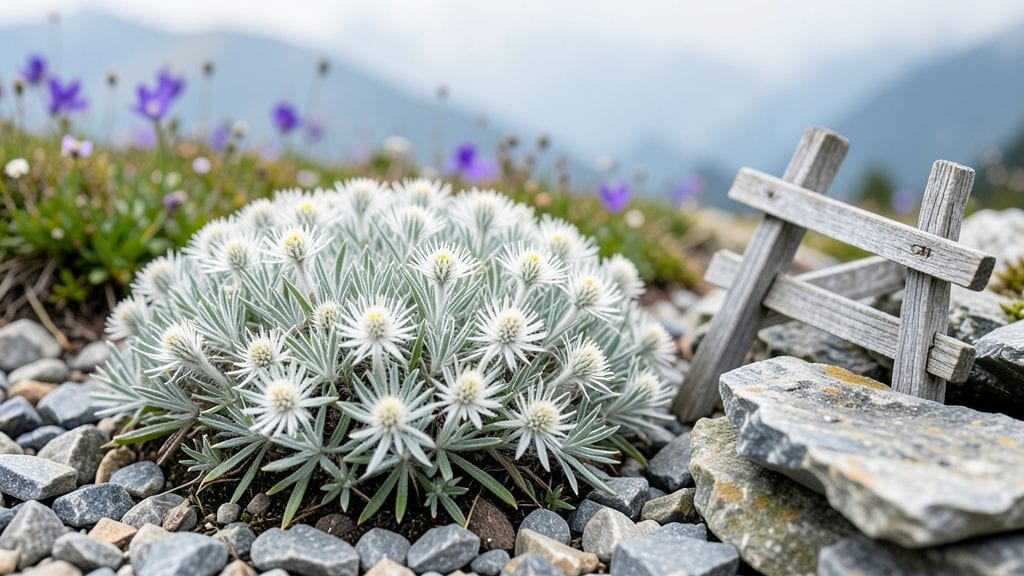
High-altitude gardening at 5,000+ feet forces you to work smarter, not harder—because the air is thinner, the sun burns hotter, and frost sneaks in when you least expect it. 🌿 I learned this the hard way after my first season of bolting lettuce and stunted tomatoes, but now I treat high-altitude gardening like a puzzle: match the right plants, adjust the soil, and time everything perfectly.
The payoff? A garden that thrives where others give up.
The key starts with soil—amend it with extra compost and organic matter to help roots access nutrients in the cooler air. Then choose plants bred for high elevations: cold-hardy varieties like purple sage, hardy kiwi, or alpine strawberries grow like weeds where others struggle.
Watering becomes an art too; drip irrigation or soaker hoses keep moisture consistent without losing it to evaporation, and mulching acts like an extra blanket for roots.
By mid-July, you’ll see plants pushing new growth that would’ve died at lower elevations. The secret isn’t fighting the altitude—it’s working with it. Shorter seasons mean faster-maturing crops, while longer daylight hours in summer let you squeeze in extra harvests.
Even herbs like thyme and oregano grow twice as bushy when given the right conditions.
This works for containers too—just use larger pots to compensate for shallower root zones. The same rules apply whether you’re in Colorado, Utah, or the Andes. Let’s turn those challenges into your garden’s superpower.
📚 In This Guide
- What you need
- Instructions
- Tips and common mistakes
- Wrapping up and next steps
What you need
- ● Soil: High-quality, well-draining potting mix (2–3 cubic yards for in-ground; 10–20 bags for containers). Look for blends with peat moss or coconut coir (20–30% by volume) to retain moisture in dry air.
- ● Containers: 5–10 gallon pots (5–10 units) with drainage holes, or raised beds (4’x8’x12” minimum). Use black or dark-colored pots to absorb heat.
- ● Fertilizer: Slow-release granules (e.g., Osmocote 14-14-14, 3–5 lbs per 100 sq ft).
- ● Organic compost (2–3 inches mixed into soil).
- ● High-phosphorus fertilizer (e.g., 5-10-10 ratio) for root development (1 lb per 100 sq ft).
- ● Mulch: Straw or wood chips (2–3 inches thick) to insulate roots and retain moisture.
- ○ Watering supplies: Drip irrigation kit (optional but recommended) with emitters (1–2 per plant).
- ● Watering can (5-gallon minimum) or hose with adjustable nozzle.
- ● Cold frames or row covers: Frost cloth or mini greenhouses to extend the growing season (especially for early spring/late fall).
- ● Soil amendments: Perlite or vermiculite (10–20% of soil mix) for aeration.
- ● Lime or sulfur to adjust pH (test soil first!).
- ● Plant supports: Trellises, stakes, or cages for vining plants (e.g., pole beans, cucumbers).
- ● Thermometer/hygrometer: To monitor soil and air temps (ideal range: 60–75°F for most veggies).
- ● Seedling heat mat: For starting seeds indoors (70–75°F for germination).
- ● Know your USDA Hardiness Zone (e.g., Zone 4–6 at 5,000+ ft). Check USDA’s interactive map.
- ● Pick cold-hardy, fast-maturing varieties (e.g., ‘Early Girl’ tomatoes, ‘Black Krim’ tomatoes, ‘Sugar Anne’ peas).
- ● Plan for a shorter growing season—start seeds indoors 4–6 weeks before last frost.
- ● Test your soil’s pH (6.0–7.0 ideal) and nutrient levels with a kit (e.g., Luster Leaf 1650).
How to adjust your gardening approach for high altitude success
High altitude gardening isn't about fighting nature—it's about working with it. Here's how to grow a thriving garden at 5,000+ feet.
🌱 Step 1: Choose the Right Plants for Your Elevation
Skip the lowland varieties and focus on cold-hardy, fast-maturing plants that thrive in shorter growing seasons. Look for labels that specify "high altitude" or "short-season" varieties. Potatoes, barley, and hardy greens like kale and Swiss chard adapt beautifully to thin air and cooler temperatures.
I always check the USDA Plant Hardiness Zone Map to match plants with my local zone—most high-altitude gardens fall between Zones 3-6. Avoid heat-loving crops like tomatoes and peppers unless you extend the season with row covers or cold frames. These plants struggle to set fruit in the shorter daylight hours.
☀️ Step 2: Extend the Growing Season Strategically
Use black plastic mulch or row covers to warm the soil and trap heat during the day while protecting plants from nighttime frost. These simple tools can add 2-4 weeks to your growing season by creating a microclimate. I start with row covers in early spring and remove them once daytime temperatures consistently stay above 50°F.
Another trick is to plant cold-hardy crops like spinach and peas as soon as the soil is workable—often 4-6 weeks before your typical last frost date. These plants tolerate cooler temperatures and even benefit from the longer daylight of early spring. For heat-loving crops, wait until after the last frost and use hoop houses to create a greenhouse effect.
💧 Step 3: Water Deeply and Frequently to Combat Dry Air
High altitude air holds less moisture, so your plants will dry out faster. Water deeply 2-3 times per week instead of light daily sprinkles. Aim for 1-1.5 inches of water per week, delivered slowly so it soaks into the soil rather than running off. I use drip irrigation to keep water at the roots where it's needed most.
Check soil moisture by sticking your finger 2 inches deep—if it feels dry, it's time to water. Mulch heavily with 2-3 inches of straw or wood chips to retain moisture and regulate soil temperature. Avoid wetting the foliage, especially in the evening, to prevent fungal diseases that thrive in the cooler, damp conditions.
✂️ Step 4: Adjust Fertilizer and Soil Amendments for Thin Air
Plants at high altitude grow slower, so they need less frequent but more concentrated fertilizer applications. Use a balanced, slow-release fertilizer (like 10-10-10) at half the recommended rate every 3-4 weeks instead of weekly. Over-fertilizing can burn roots in cooler soils and lead to weak, leggy growth.
Amend your soil with compost or well-rotted manure before planting to improve nutrient retention and water-holding capacity. High-altitude soils often lack organic matter, so mix in 1-2 inches of compost into the top 6 inches of soil. Avoid fresh manure—it can scorch plants and attract pests in the cooler climate.
🪴 Step 5: Protect Plants from Harsh Winds and UV Rays
Wind speeds increase with elevation, so use windbreaks like tall grasses, shrubs, or even sturdy fencing to shield delicate plants. Place your windbreak on the north or west side of the garden to block the strongest winds. I've seen gardens lose 30-50% of their yield to wind damage, so this step is non-negotiable.
High altitude also means intense UV exposure, which can scorch leaves. Use shade cloth (30-50%) for heat-sensitive plants like lettuce and cucumbers during the peak afternoon sun. For perennials, choose varieties with natural UV resistance, like high-altitude lavender or yarrow. Always acclimate plants gradually to full sun to avoid sunburn.
Tips & tricks for perfect high altitude gardening
Working with nature at high altitudes means paying attention to details that lowland gardeners often overlook. Here's how to make the most of your elevation advantage.
Plant Selection Wisdom: When choosing plants in Step 1, prioritize varieties labeled for high altitude or short-season growing. I've found that even within hardy crops, some perform better—like Yukon Gold potatoes or Blue Lake bush beans—because they've been bred to handle the cooler temperatures and shorter daylight. Check seed packets for "days to maturity" and choose the fastest options for your zone.
Season Extension Hack: The 2-4 week extension from row covers in Step 2 works wonders, but timing is everything. I start mine when daytime temps hit 45°F consistently (5°F below the 50°F threshold) to give plants a head start. For extra protection, use floating row covers that you can easily remove during warm spells—this gives you flexibility to adapt as weather changes.
Watering Technique: Those 1-1.5 inches of water per week in Step 3 need to be delivered strategically. I water in the early morning to prevent evaporation and fungal issues. For container gardens, I increase to 1.5-2 inches per week because pots dry out faster in thin air. Always check that water penetrates to 4-6 inches deep—surface watering just encourages shallow root growth.
Fertilizer Timing: The 3-4 week interval for fertilizer in Step 4 might feel long, but it's crucial. I make a habit of applying fertilizer right after a deep watering session to help nutrients reach the roots. For leafy greens, I use a higher nitrogen ratio (like 5-10-5) while fruiting plants get a balanced formula. Always water thoroughly after fertilizing to prevent root burn in the cooler soils.
Pro Tips for High Altitude Gardening
- Working with nature at high altitudes means paying attention to details that lowland gardeners often overlook.
- Plant Selection Wisdom: When choosing plants in Step 1, prioritize varieties labeled for high altitude or short-season growing.
- Season Extension Hack: The 2-4 week extension from row covers in Step 2 works wonders, but timing is everything.
Frequently asked questions
Got questions about conquering high-altitude gardening? You’re not alone—thriving at 5,000+ feet comes with unique challenges! Here are answers to the most common queries to help you grow confidently.
What are the biggest challenges of gardening at high altitudes?
Thinner air, lower oxygen, and shorter growing seasons mean slower plant growth, colder nights, and intense UV rays. Soil may also drain faster due to lower humidity. Pro tip: Choose cold-hardy varieties, extend seasons with row covers, and prioritize soil moisture retention (think mulch!).
How do I adjust planting and harvesting times?
Start seeds indoors 4–6 weeks earlier than lowland guides suggest, and opt for fast-maturing varieties (e.g., bush beans, radishes). Harvest before full maturity—many veggies (like tomatoes) ripen slower. Use a frost calendar for your specific elevation (try the USDA Plant Hardiness Zone Map for clues).
Do I need to water differently at high altitudes?
Yes! Soil dries out faster due to lower air pressure, but water can evaporate just as quickly. Water deeply and infrequently (early morning is best) and use drip irrigation to conserve moisture. Avoid overhead watering—it wastes precious H₂O and can stress plants.
What are the best high-altitude-friendly plants to grow?
Stick to cold-tolerant, compact, or fast-growing varieties:
- Veggies: Kale, spinach, peas, potatoes, carrots, and bush beans.
- Herbs: Cilantro, parsley, and mint (they thrive in cooler temps!).
- Flowers: Marigolds, pansies, and sweet peas (adds color + pollinators!).
Why are my high-altitude plants stunted or yellowing?
Common culprits:
- Nutrient deficiency: Thin air reduces oxygen to roots—amend soil with compost or slow-release fertilizer.
- Over/under-watering: Check soil moisture (stick your finger in—top 1" should be dry).
- Pests/disease: Aphids and fungal issues thrive in high humidity. Use neem oil or row covers preemptively.
Can I garden successfully above 8,000 feet?
but with extra adjustments! Above 8K feet, grow only the hardiest crops (e.g., hardy greens, potatoes, or cold-resistant flowers). Use greenhouses or cold frames to extend seasons, and choose dwarf or bush varieties to conserve energy. Example: Try ‘Yukon Gold’ potatoes—they thrive in alpine climates!
Wrapping up and next steps
High-altitude gardening at 5,000+ feet is absolutely doable—it just requires a little extra patience, planning, and passion! 🌱 By choosing the right plants, adjusting your soil, and giving your garden the love it needs, you can create a thriving oasis even in thin air.
The key takeaway? Start small, stay consistent, and don’t be afraid to experiment!
Ready to take the next step? Pick one plant or technique from this guide and give it a try this season. Share your progress, ask questions, and connect with fellow high-altitude gardeners—your green thumb is closer than you think!