Advice
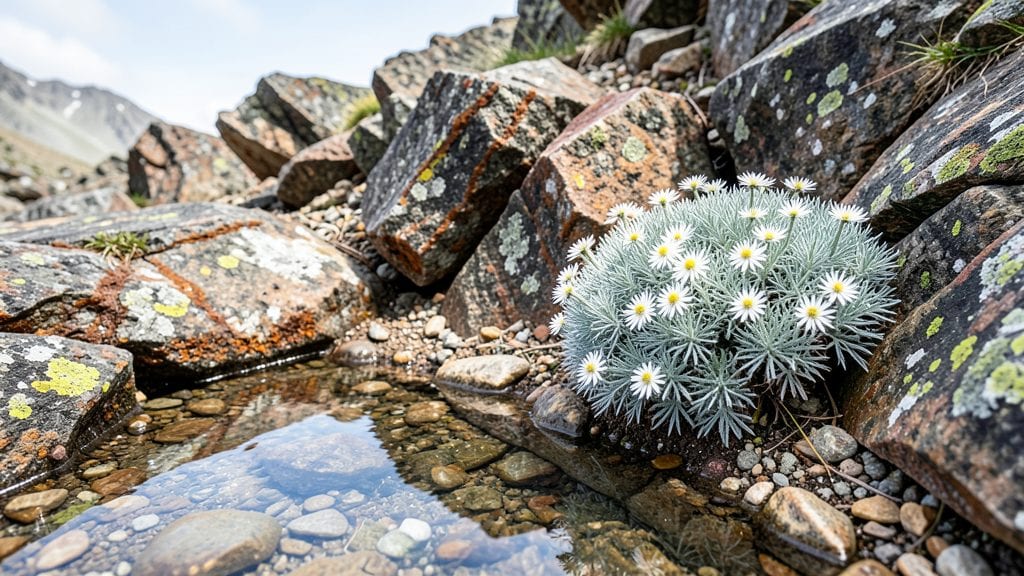
Gardening at high elevations doesn't mean giving up on a lush garden—it just means working smarter with the conditions you have. I've grown thriving vegetable patches and flower beds above 7,000 feet, and the key is understanding how altitude changes everything from soil to sunlight.
The air is thinner, temperatures swing wildly, and frost can sneak up even in summer. But with the right plants and techniques, you can turn these challenges into advantages.
First, focus on cold-hardy varieties that love the crisp mountain air—think potatoes, kale, and hardy perennials like lavender. Soil needs extra organic matter to retain moisture and warmth, and windbreaks become essential to protect delicate plants.
I've seen gardens double their yield just by adding simple wind fences and mulching heavily. The payoff comes when you see those first hardy greens poking through the soil, defying the altitude.
Water management becomes your best friend at elevation—plants need more frequent watering because the air dries them out faster. Drip irrigation or soaker hoses work best, keeping roots consistently moist without wasting water.
And don't forget to start seeds indoors or use row covers to extend the growing season; I've had tomatoes thriving in July that would've frozen in June without protection.
Microclimates are your secret weapon—south-facing slopes warm up faster, and low spots collect cold air. Use these natural advantages to your benefit, placing heat-loving plants where they'll get extra warmth. With these altitude-smart adjustments, you'll grow a garden that not only survives but truly thrives at high elevations.
📚 In This Guide
- What you need
- Instructions
- Tips and common mistakes
- Wrapping up and next steps
What you need
- ● Soil amendments: Compost (2–3 cubic yards per 100 sq. ft.) – boosts organic matter
- ● Peat moss or coconut coir (1–2 bags per 10 sq. ft.) – improves water retention
- ● Perlite or vermiculite (5–10 lbs) – aerates heavy soil
- ● Planting containers: Raised beds (4x8 ft, 6–12 inches deep) – warms soil faster
- ● Black plastic mulch (100–200 sq. ft. roll) – traps heat
- ● Cold-hardy plants: Seeds/seedlings suited for your hardiness zone (e.g., potatoes, kale, cabbage, hardy herbs)
- ● Perennials like asparagus or rhubarb (long-term investments!)
- ● Garden trowel (stainless steel, ergonomic grip)
- ● Pruners (bypass type, for clean cuts)
- ● Wheelbarrow (2–3 cubic ft. capacity)
- ● Soil thermometer (critical for high-altitude timing)
- ● Row covers or frost blankets (10–20 sq. ft. per bed)
- ● Drip irrigation kit (with pressure regulator for steep slopes)
- ● Site prep: Test soil pH (aim for 6.0–7.0) and amend as needed.
- ● Microclimate: Choose south-facing slopes or protected areas.
- ● Extended season: Plan for a 4–6 week earlier start (use cold frames or greenhouses).
- ● Water access: High-altitude gardens dry out fast—ensure reliable irrigation.
How to adapt your gardening for high elevation success
High elevation changes everything—shorter seasons, thinner air, and cooler temps demand smart adjustments.
Choose the Right Plants for Your Altitude
Not all plants thrive above 5,000 feet—cool-season crops like lettuce, peas, and spinach handle the chill better than heat-lovers like tomatoes and peppers. I focus on cold-hardy varieties with shorter maturity dates, since the growing season shrinks by 5-10 days per 1,000 feet gained. Check your USDA Hardiness Zone to narrow choices; for example, Zone 5-6 plants often do well at 6,000-7,000 feet if given extra care.
Look for seeds labeled "high elevation" or "short-day" varieties. These plants naturally adapt to shorter daylight hours and cooler nights. I’ve had the best luck with hardy cabbage, kale, and potatoes—they tolerate frost and still produce well. Avoid tropical plants unless you’re willing to grow them in containers and bring them indoors during cold snaps.
Extend the Growing Season with Smart Timing
At high elevations, frost can linger into June or arrive as early as September. I start seeds 4-6 weeks earlier than the packet suggests and use row covers or cold frames to protect tender plants. For example, if your last frost date is May 15, I plant cold-hardy crops like broccoli in early April under protective covers.
Similarly, I extend the fall season by planting fast-maturing crops like radishes and bush beans in mid-July—they’ll finish before the first hard frost. Succession planting in 2-week intervals ensures a steady harvest. Watch for soil temperature (use a soil thermometer)—most seeds need at least 40°F to germinate, and cooler soils can delay sprouting by weeks.
Adjust Watering for Thinner Air and Faster Evaporation
Air holds less moisture at high elevations, so plants lose water 20-30% faster than at sea level. I water deeply but less frequently—about 1-1.5 inches per week—and always in the early morning to reduce evaporation. Mulch heavily with 3-4 inches of straw or wood chips to retain moisture and regulate soil temperature.
Drip irrigation works best because it delivers water directly to the roots without wetting the leaves, which can lead to fungal issues in the cooler, damp conditions. If using a hose, water slowly to avoid runoff. You’ll notice plants wilt more quickly in the afternoon—this is normal, but if they don’t perk up by evening, they need more frequent watering.
Protect Plants from Harsh Winds and UV Rays
High elevation winds can dry out plants and damage delicate stems. I use windbreaks—like tall fences, hedges, or even temporary plastic sheets—on the north and west sides of gardens where winds are strongest. For containers, I move them to sheltered spots during storms. Even a low wooden fence can reduce wind damage by 50%.
Ultraviolet (UV) rays are also more intense at higher altitudes, which can scorch leaves. I choose shade-tolerant varieties for south-facing beds and provide 30-50% shade cloth for heat-sensitive plants like lettuce. Watch for bleached or crispy leaf edges—this is your signal to adjust shading or water more frequently.
Fertilize Differently for Slower Nutrient Uptake
Cooler soils slow microbial activity, meaning nutrients break down more slowly. I use a balanced, slow-release fertilizer (like 10-10-10) at half the recommended rate and apply it every 6-8 weeks instead of every 4. Organic options like composted manure or worm castings work well because they release nutrients gradually.
Avoid high-nitrogen fertilizers unless you’re growing leafy greens—too much can lead to weak stems that flop in the wind. Instead, I focus on phosphorus and potassium to strengthen roots and improve cold hardiness. If leaves turn yellow between the veins, it’s a sign of iron deficiency, common in alkaline high-elevation soils—amend with chelated iron if needed.
Tips & tricks for high elevation gardening success
High elevation gardening demands special attention to detail—here are the key adjustments that make all the difference between struggling plants and a thriving garden.
Plant Selection is Everything: When choosing seeds, pay close attention to altitude recommendations on the packet. For example, if you're at 6,000 feet, look for varieties labeled "high elevation" or "short-day" that specifically mention suitability for your zone. I've found that even within the same species, high-altitude strains of potatoes and cabbage produce significantly better yields than standard varieties. The 5-10 day shorter growing season per 1,000 feet gained means you need to prioritize fast-maturing crops that can complete their life cycle before frost.
Timing Your Planting is Critical: The 4-6 week early start for seeds mentioned in Step 2 can't be emphasized enough. In my experience at 7,000 feet, planting broccoli in early April (rather than following the packet's suggested date) gives those seedlings the head start they need to establish strong roots before summer heat arrives. For fall crops, that mid-July planting window for radishes is your best shot at harvest—don't push it to late July or you'll likely lose everything to early frost. Always verify soil temperature with a thermometer; seeds won't germinate properly below that 40°F threshold, and cooler soils can delay sprouting by weeks.
Watering Strategy Makes the Difference: The 1-1.5 inches per week watering guideline is your baseline, but timing matters just as much. I've seen plants wilt dramatically in the afternoon at high elevations, only to recover by morning—a normal response to thin air. What's not normal is if they don't perk up by evening, which means you need to increase frequency. For containers, I've found that watering every other morning (rather than every third day) prevents soil from drying out completely. That 3-4 inches of mulch isn't just decorative—it's what keeps moisture in the soil where it belongs rather than evaporating into the dry mountain air.
Wind Protection is Non-Negotiable: I learned this the hard way when my first year of high elevation gardening saw half my plants flattened by afternoon winds. That low wooden fence I mentioned reduces wind damage by 50%, but positioning matters—place windbreaks on the north and west sides where winds are strongest. For delicate plants like lettuce, I've started using temporary plastic sheets that can be rolled up when not in use. And remember, those UV rays are more intense at altitude—30-50% shade cloth isn't just a suggestion when you see those telltale bleached leaf edges appearing.
Pro Tips for High Elevation Gardening
- High elevation gardening demands special attention to detail—here are the key adjustments that make all the difference between struggling plants and a thriving garden.
- Plant Selection is Everything: When choosing seeds, pay close attention to altitude recommendations on the packet.
- Timing Your Planting is Critical: The 4-6 week early start for seeds mentioned in Step 2 can't be emphasized enough.
Frequently asked questions
Got questions about high elevation gardening?
You’re not alone—altitude brings unique challenges! Here are answers to the most common queries to help you grow confidently at higher elevations.
How does elevation affect plant growth?
Higher elevations mean cooler temps, thinner air, and shorter growing seasons. Plants struggle with slower growth, lower humidity, and increased UV exposure. Solution: Choose cold-hardy varieties, extend the season with row covers, and prioritize wind protection. Think of it like training for a marathon—your plants need the right prep!
When should I plant at high elevations?
Start seeds 4–6 weeks earlier indoors than lowland guidelines suggest. Outdoor planting? Wait until after the last frost (usually 2–4 weeks later than sea level). Use frost dates from your local USDA zone as a baseline—then add a buffer. Pro tip: Test soil temps (aim for 40–50°F) with a thermometer!
Do I need to water differently at high elevations?
Yes! Soil dries faster due to lower air pressure and wind. Water deeply 2–3 times per week (vs. 1x at lower elevations) and mulch heavily to retain moisture. Watch for: Wilting leaves midday (a red flag for thirsty plants). Drip irrigation or soaker hoses work best—less waste, more efficiency. Water in the early morning to reduce evaporation.
What are the best plants for high elevation?
Stick to hardy, cold-tolerant varieties like:
- Vegetables: Potatoes, kale, cabbage, peas, and broccoli thrive in cooler temps.
- Flowers: Marigolds, snapdragons, and sweet peas handle altitude well.
- Avoid: Heat-lovers like tomatoes or peppers unless you use season extenders.
How can I troubleshoot stunted or yellowing plants?
Common culprits at high elevations:
- Nutrient deficiency: Thin air reduces soil microbes. Use compost or balanced fertilizer (10-10-10) every 4–6 weeks.
- Fungal issues: Low humidity + wind = dry foliage. Space plants for airflow and avoid overhead watering.
- Sun scorch: UV rays are harsher. Use shade cloth (30–50%) for delicate greens.
Can I garden successfully above 8,000 feet?
Many gardeners thrive in the “thin air zone” with these tweaks:
- Use black plastic mulch to warm soil faster.
- Plant early-maturing varieties (e.g., ‘Early Girl’ tomatoes).
- Try container gardening for mobility (move pots to sheltered spots).
Wrapping up and next steps
High elevation gardening isn’t just possible—it’s a rewarding challenge that connects you to nature’s resilience! 🌿 By embracing altitude-smart techniques like soil prep, cold-hardy plant selection, and microclimate strategies, you can grow a thriving garden even at 5,000 feet (or higher). Remember, success starts with patience and adaptation, not perfection.
Ready to take the next step? Start small—try a test bed with a few hardy plants or experiment with containers to refine your approach. Before you know it, you’ll be harvesting fresh, homegrown goodness that’s as tough as you are! 🌱