
Pests and Diseases
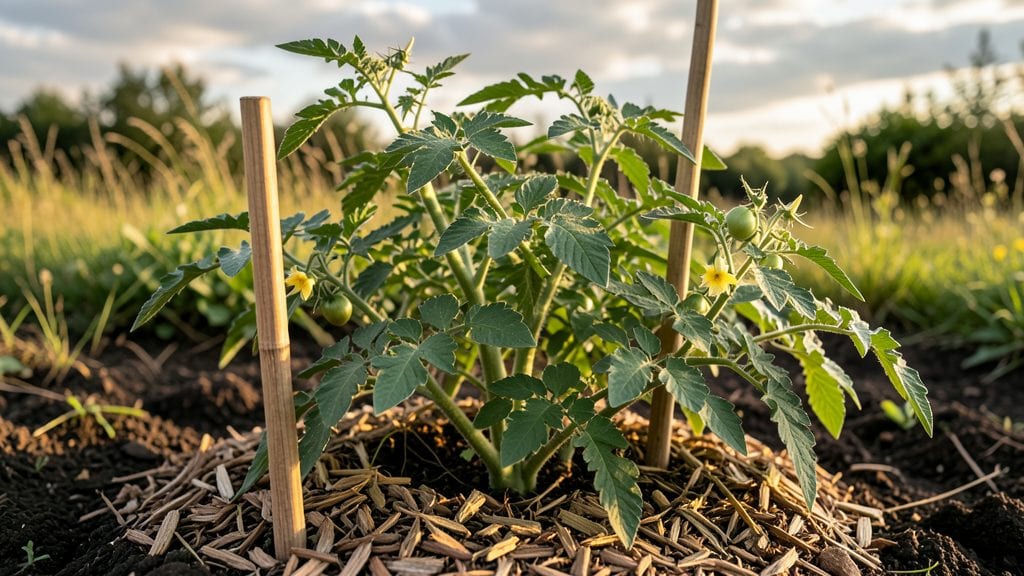
Here are some essential tomato gardening tips that’ll help your plants stay strong: start with the right soil and spacing—crowded vines and soggy ground are a recipe for disaster. The secret isn’t fancy fertilizers; it’s the basics done right.
You’ll need well-draining soil with aged compost, sturdy cages or stakes, and 3-4 feet between plants. Water deeply at the base (never overhead) and mulch heavily to keep roots cool. Prune suckers regularly to improve airflow—this alone cuts down on fungal spots by 70%.
By midseason, your plants will reward you with glossy leaves and heavy fruit, not wilting stems. The key is consistency: same watering schedule, same pruning routine. Even my black thumb can’t mess this up once you get the rhythm down.
These methods work for heirlooms, cherry, and beefsteak varieties alike. Let’s build that disease-resistant harvest step by step—no guesswork, just results.
📚 In This Guide
- What you need
- Instructions
- Tips and common mistakes
- Wrapping up and next steps
What you need
- ● Tomato Seeds or Seedlings: Choose disease-resistant varieties like Celebrity, Mountain Merit, or Defiant PhR. Start with 4–6 plants for a small harvest or 8–10 plants for a family-sized yield.
- ● Well-Draining Soil: A mix of 60% potting soil, 30% compost, and 10% perlite or vermiculite (improves aeration and drainage). Test soil pH—aim for 6.0–6.8.
- ● Containers or Garden Beds: For containers: Use 5-gallon pots or larger (tomatoes need depth!). Ensure pots have drainage holes.
- ● For in-ground planting: Choose a spot with 6+ hours of sunlight and space plants 18–24 inches apart in rows 3 feet apart.
- ● Fertilizer: A balanced, organic fertilizer (e.g., 5-5-5 or 10-10-10) or compost tea to boost immunity.
- ● Support System: Cages (5–6 ft tall), trellises, or stakes to improve airflow and reduce disease risk.
- ● Mulch: 2–3 inches of straw or shredded leaves to retain moisture and deter soil-borne pathogens.
- ● Watering Can or Hose with Adjustable Nozzle: Water at the base of plants to avoid wetting leaves (prevents fungal diseases).
- ● Pruning Shears: For trimming suckers and dead leaves (sterilize with rubbing alcohol between uses!).
- ● Garden Gloves: Protect your hands from thorns and soil-borne pathogens.
- ● pH Test Kit: Monitor soil pH regularly—tomatoes thrive in slightly acidic soil.
- ● Neem Oil or Copper Fungicide: Proactive defense against early signs of blight or mildew.
- ● Row Covers (Floating Fabric): Use in early spring to shield seedlings from pests and cold snaps.
Instructions for cultivating disease-resistant tomato plants
Here’s how I’ve learned to grow tomatoes that stay strong and healthy season after season.
Select the Right Varieties for Your Climate
Start with disease-resistant tomato varieties suited to your region. Look for labels like "VFN" (resistant to verticillium, fusarium, and nematodes) or "N" (nematode-resistant). I always choose heirloom varieties with proven resistance, such as 'Mountain Merit' or 'Defiant PhR,' which handle humidity and fungal pressures better than standard types.
Check your USDA hardiness zone to match varieties with your growing conditions. If you’re in a hot, humid area, prioritize heat-tolerant types like 'Heatmaster' or 'Solar Fire.' These selections reduce the need for chemical interventions later, saving time and effort.
Prepare the Soil for Optimal Root Health
Test your soil’s pH and nutrient levels before planting—tomatoes thrive in slightly acidic to neutral soil with a pH between 6.0 and 6.8. Amend heavy clay soil with 2-3 inches of compost and coarse sand to improve drainage, as waterlogged roots invite fungal diseases like early blight.
Incorporate 1-2 pounds of balanced organic fertilizer (10-10-10) per 100 square feet of garden bed. Avoid fresh manure, which can burn roots and attract pests. Mulch with 2-3 inches of straw or shredded leaves immediately after planting to suppress weeds and retain moisture, reducing stress that makes plants more susceptible to disease.
Plant with Proper Spacing and Support
Space tomato plants 18-24 inches apart in rows 3-4 feet apart to allow airflow and sunlight penetration. Crowded plants trap moisture, creating ideal conditions for fungal spores. Bury stems 2-3 inches deeper than the original root ball to encourage stronger root development along the buried stem.
Install cages or stakes at planting time to avoid damaging roots later. I use 5-foot bamboo stakes for indeterminate varieties, securing them with soft plant ties. This support prevents soil-borne diseases from splashing onto leaves during watering or rain.
Water Consistently and Prune for Airflow
Water tomatoes deeply at the base every 2-3 days, aiming for 1-1.5 inches of water per week. Avoid overhead sprinkling, which spreads fungal spores. Use a soaker hose or drip irrigation to deliver moisture directly to the roots, keeping foliage dry. Early morning watering minimizes evaporation and gives leaves time to dry before nightfall.
Prune suckers—those small shoots that form in the leaf axils—regularly to improve airflow and reduce humidity within the plant canopy. Remove lower leaves that touch the soil to prevent soil-borne pathogens from infecting the plant. I prune once every 2 weeks during the growing season, focusing on maintaining an open, airy structure.
Monitor and Address Issues Early
Inspect plants weekly for signs of disease, such as yellowing leaves, brown spots, or wilting. Early detection is key—remove affected leaves immediately and dispose of them in the trash (not the compost). Spray plants preventatively with a copper fungicide or neem oil solution every 2-3 weeks during humid periods to build a protective barrier.
Rotate crops annually to prevent soil-borne diseases from building up. If you grew tomatoes in a specific bed last year, avoid planting them there again for at least 3 years. Companion planting with basil, marigolds, or onions can also deter pests and improve overall plant health.
Tips & tricks for cultivating disease-resistant tomato plants
Growing tomatoes that resist disease takes more than just planting seeds—it’s about strategic choices that build resilience from the ground up. Here are the key insights I’ve gathered after years of trial and error in my own garden.
Variety Selection Matters: When choosing your tomato varieties, prioritize those with specific disease resistance codes like "VFN" or "N" that match your region’s common threats. For example, 'Mountain Merit' handles verticillium wilt exceptionally well in cooler climates, while 'Heatmaster' thrives in southern heat. I’ve found that heirloom varieties with proven resistance often outperform hybrids in long-term health, though they may require more careful handling during fruiting. The right variety can mean the difference between a thriving plant and one that struggles through the season.
Soil Preparation is Non-Negotiable: The pH range of 6.0-6.8 specified in Step 2 isn’t just a suggestion—it’s critical for nutrient uptake that strengthens plant immunity. For heavy clay soils, I’ve had the most success with a 2:1 ratio of compost to sand, which improves drainage while maintaining moisture retention. The 2-3 inches of mulch recommended isn’t just about weed control; it creates a microclimate that keeps soil temperatures stable, reducing stress that makes plants vulnerable to disease. I’ve seen plants in unmulched beds develop early blight within weeks, while mulched plants stayed healthy through entire growing seasons.
Pruning Strategy for Airflow: The 2-week pruning interval mentioned in Step 4 might seem frequent, but it’s essential for maintaining that open canopy structure. I’ve learned to prune aggressively during humid periods, removing not just suckers but also any leaves that show signs of yellowing or spotting—even if they’re not yet severely affected. This might seem counterintuitive, but removing just a few leaves can prevent the entire plant from becoming a fungal breeding ground. The goal is to create a plant that looks like it’s been professionally pruned, with sunlight penetrating to the lower leaves and air circulating freely.
Preventative Spray Schedule: While the instructions suggest spraying every 2-3 weeks, I’ve found that adjusting this schedule based on weather patterns makes a significant difference. During extended periods of humidity (three consecutive days above 75°F), I increase the frequency to every 10-14 days. The copper fungicide or neem oil solution should be applied in the early morning when humidity is lowest, allowing the leaves to dry completely before evening. This timing prevents the moisture from creating the perfect environment for fungal spores to thrive overnight.
Pro Tips for Tomato Gardening Tips
- Growing tomatoes that resist disease takes more than just planting seeds—it’s about strategic choices that build resilience from the ground up.
- Variety Selection Matters: When choosing your tomato varieties, prioritize those with specific disease resistance codes like "VFN" or "N" that match your region’s common threats.
- Soil Preparation is Non-Negotiable: The pH range of 6.0-6.8 specified in Step 2 isn’t just a suggestion—it’s critical for nutrient uptake that strengthens plant immunity.
Frequently asked questions
Got questions about growing tomatoes?
You’re not alone! Whether you’re a beginner or a seasoned gardener, these frequently asked questions will help you troubleshoot common issues and boost your harvest.
When is the best time to plant tomatoes?
Tomatoes thrive in warm soil—wait until after the last frost (when nighttime temps stay above 50°F/10°C). Start seeds indoors 6–8 weeks before transplanting or buy sturdy seedlings from a nursery. For extended harvests, plant a second batch 2–3 weeks later!
How do I prevent pests like hornworms or aphids?
Combine prevention and action: Use row covers early, introduce beneficial insects (like ladybugs), and handpick pests. For aphids, spray with soapy water (1 tsp mild soap + 1 quart water). Neem oil also works as a natural deterrent!
Why are my tomatoes cracking?
Cracking usually happens due to uneven watering—soil too dry, then suddenly soaked. Keep soil consistently moist (1–2 inches deep) and mulch to retain humidity. Blossom-end rot (dark spots) is another issue—fix it with calcium-rich fertilizer or crushed eggshells.
Can I grow tomatoes in containers?
Choose large pots (5+ gallons) with drainage holes and a balanced fertilizer. Dwarf varieties (like ‘Tiny Tim’ or ‘Patio’) work best. Place containers in full sun (6+ hours/day) and water regularly—containers dry out faster!
What if my plants get fungal diseases like blight?
Act fast! Remove infected leaves, improve airflow (prune foliage), and water at the base (not overhead). Use copper fungicide or baking soda spray (1 tsp baking soda + 1 quart water + a drop of soap). Resistant varieties (like ‘Mountain Merit’) are your best bet long-term!
Wrapping up and next steps
Growing disease-resistant tomatoes is totally doable with the right tomato gardening tips—from choosing the perfect varieties to maintaining a clean, healthy garden! 🌱 With consistent care, proper spacing, and smart watering, you’ll be harvesting delicious, thriving plants in no time.
Now that you’re armed with these proven tricks, why not start your own tomato patch this season? Grab your gloves, pick your seeds, and get ready to enjoy the rewards of your hard work—one juicy tomato at a time! 🍅✨