Vegetables
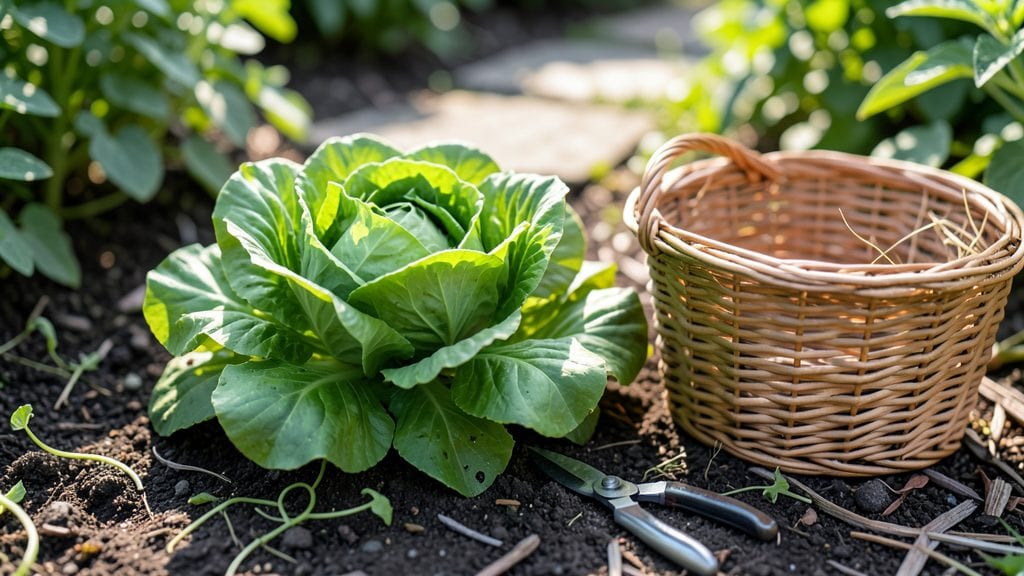
The history of victory gardens traces back to World War I, where civilians grew vegetables to combat food shortages, then exploded in World War II when over 20 million Americans cultivated crops to aid the war effort. Today, their principles live on in modern community gardening.
The concept began as a grassroots movement to ease wartime food rationing, proving how everyday citizens could make a tangible difference. 💛 During WWII, these gardens produced over 40% of the nation's fresh vegetables, with families growing everything from potatoes to peas in even small backyard plots.
The government actively promoted them through posters and radio campaigns, framing gardening as a patriotic duty—essentially turning backyards into battlefields for hunger.
What’s fascinating is how these gardens evolved beyond wartime necessity. Today’s urban farms and school gardens carry the same spirit of self-sufficiency, just with modern twists like vertical growing systems and heirloom seed banks.
The core idea—growing food together—remains just as powerful, whether in Detroit’s abandoned lots or NYC’s high-rise planters.
💡 In This Article
- How WWII Victory Gardens Fed a Nation
- Modern Victory Gardens: Community and Sustainability
How WWII victory gardens fed a nation
During World War II, victory gardens became a cornerstone of American food security, producing an estimated 40% of the nation’s fresh vegetables by 1943. The U.S. government launched aggressive campaigns like "Food Will Win the War," distributing seed packets and gardening guides through schools, libraries, and post offices.
These gardens weren't just about growing food—they were a strategic response to rationing, which limited access to staples like meat and dairy. 🌱 By 1944, over 20 million gardens covered nearly 18 million acres, equivalent to the size of New Jersey.
The most commonly grown crops—potatoes, carrots, tomatoes, and cabbage—were chosen for their high yield, nutritional value, and ability to thrive in small spaces. A typical 1,000-square-foot garden could produce 200 pounds of potatoes, enough to feed a family for months.
The government even provided free seeds and fertilizers to encourage participation, while radio programs like "Gardeners’ Forum" offered weekly tips. Unlike WWI, where efforts were more localized, WWII’s victory gardens became a nationwide movement, with urban families growing vegetables in window boxes and rooftops.
Here’s what made the WWII effort so effective compared to WWI:
- Organized promotion: The government created the Victory Garden Council to coordinate efforts, while Hollywood stars like Jimmy Stewart and Humphrey Bogart appeared in pro-gardening PSAs.
- Rationing synergy: Gardens directly offset shortages by producing 9-10 million tons of food annually, reducing grocery strain and stabilizing prices.
- Community engagement: Neighborhoods competed in "garden contests," fostering camaraderie while boosting production.
The impact on rationing was immediate and dramatic. Before victory gardens, families struggled with 48-point meat rationing and limited vegetable access. By 1945, homegrown produce filled gaps left by commercial shortages, allowing families to eat 20% more vegetables than pre-war levels. The success was so profound that even after the war, many Americans continued gardening—6 million victory gardens persisted into the 1950s. 💛 This wasn’t just about food; it was a cultural shift proving that ordinary citizens could tackle extraordinary challenges.
What’s often overlooked is how victory gardens influenced modern agriculture. Techniques like crop rotation and companion planting (growing beans near corn to fix nitrogen) became staples of sustainable farming. Today, these principles underpin urban farming and school gardens, proving that the WWII movement’s legacy extends far beyond wartime necessity.
The numbers tell the story: 40% of vegetables from backyards in 1943 vs. 2% from urban farms today—yet the spirit remains the same.