
Shrubs
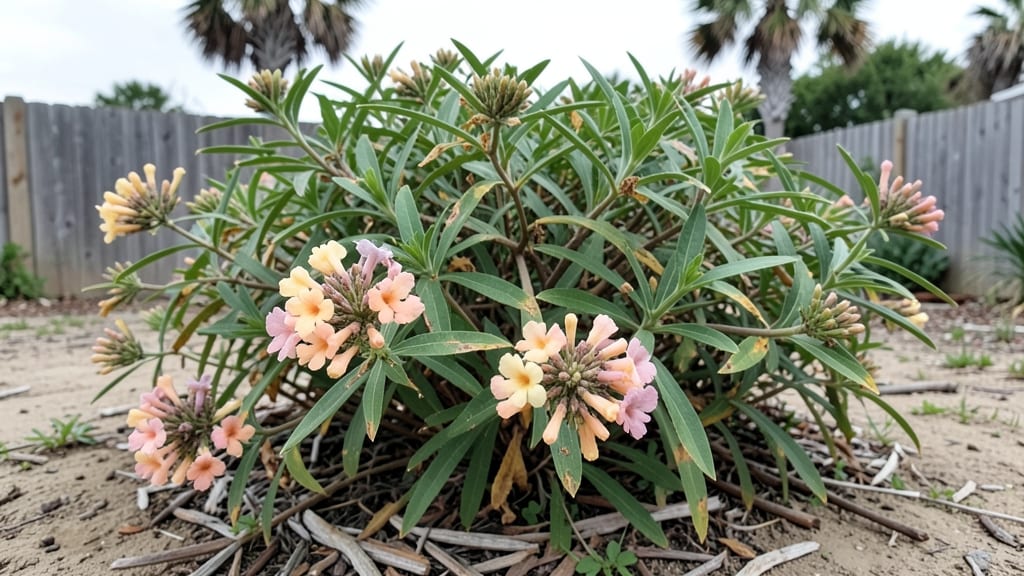
South Florida’s relentless sun and humidity can turn a garden into a battleground, but the right shrubs turn it into a lush, low-maintenance oasis—no matter the season. 🌿 I’ve learned which heat-resistant plants not only survive but thrive here, withstanding 90-degree days, hurricanes, and even the occasional whitefly invasion without breaking a sweat.
The secret lies in native and adapted species like firebush, coontie palm, and gumbo-limbo, which evolved here and know how to handle the heat. These shrubs need minimal watering once established, love our sandy soil, and attract pollinators while keeping pests at bay.
No more wilting, no more replanting—just vibrant greenery that stays productive and picturesque all year.
You’ll end up with a landscape that’s drought-tolerant, hurricane-hardy, and bursting with color, from fiery red blooms to silvery foliage that glows under the Florida sun.
The best part? These shrubs require little to no pruning, so you spend less time fussing and more time enjoying your outdoor space.
Whether you’re dealing with coastal winds, heavy rains, or just the daily heat, these plants are the foolproof foundation for a garden that looks effortless but is actually engineered for survival. Let’s get your yard thriving—without the struggle.
📚 In This Guide
- What you need
- Instructions
- Tips and common mistakes
- Wrapping up and next steps
What you need
- ● Heat-resistant shrubs: Choose from Dwarf Schefflera, Firebush, or Lantana (3–5 plants, depending on desired coverage). Opt for 1-gallon containers for mature plants or 4-inch pots for younger ones.
- ● High-quality potting soil: 10–20 lbs of a well-draining, organic mix (e.g., 50% native soil + 50% compost). Avoid heavy clay!
- ● Mulch: 2–3 cubic feet of pine bark or wood chips to retain moisture and regulate soil temp.
- ● Fertilizer: Slow-release, palm-friendly fertilizer (e.g., 10-10-10 NPK) or organic options like fish emulsion (1–2 applications per year).
- ● Drip irrigation system or soaker hoses: 50–100 ft of tubing (adjust based on garden size) to deliver 1–1.5 inches of water weekly.
- ● Hand trowel & pruning shears: Stainless steel or heavy-duty for digging and shaping.
- ● Gloves & sun protection: Garden gloves (nitrile-coated) and wide-brim hat/sunscreen—South Florida sun is no joke!
- ● Soil test kit: Ensure pH is 6.0–7.0 (South Florida soil can be acidic!).
- ● Epsom salt: 1 lb for magnesium boost (great for leafy shrubs like Schefflera).
- ● Beneficial insects: Ladybugs or lacewings to deter pests naturally.
- ● Garden journal: Track plant progress, watering schedules, and Florida’s hurricane season prep!
Instructions for planting heat-resistant shrubs in South Florida
Here’s how to establish a lush, low-maintenance shrub garden that handles Florida’s heat and humidity with ease.
🌱 Step 1: Choose the Right Shrubs for Your Site
South Florida’s 90°F+ summers and high humidity demand shrubs with thick, waxy leaves and deep root systems. Firebush (Hamelia patens), buttonwood (Conocarpus erectus), and muhly grass (Muhlenbergia capillaris) are my top picks—they’re drought-tolerant once established and thrive in full sun to partial shade. Avoid anything labeled “tender” or “cool-season only” unless you’re in a microclimate with afternoon shade.
Check your soil’s drainage before planting. If water pools after heavy rain, amend with 2-3 inches of compost or plant on a slight mound. The goal is to prevent soggy roots, which invite fungal diseases like root rot. I always dig a hole twice as wide as the root ball but only as deep—planting too deep suffocates roots and strangles the shrub.
🪴 Step 2: Prepare the Planting Site and Amend Soil
Clear the area of weeds and grass, then loosen the soil to 12 inches deep with a shovel or garden fork. South Florida’s native sandy soils drain too quickly, so mix in 3 gallons of organic matter (like composted leaves or aged manure) per 100 square feet to improve water retention. This isn’t just about fertility—it’s about helping roots establish faster in our fast-draining soils.
If your soil is heavy clay (common in low-lying areas), blend in 1 part perlite or coarse sand to every 3 parts soil to break up compaction. Work the amendments into the top 6 inches of soil—you don’t need to dig deeper unless you’re dealing with hardpan. A simple scratch test tells you when it’s ready: the soil should crumble easily when moist but not stick to your hands.
☀️ Step 3: Plant Shrubs at the Right Depth and Spacing
Remove the shrub from its container and loosen the roots if they’re circling. Place it in the hole so the top of the root ball sits level with the surrounding soil—never bury the stem. South Florida’s heat accelerates decomposition, and buried stems rot quickly. Fill the hole with native soil, pressing gently to eliminate air pockets, then water deeply to settle everything.
Space shrubs 3-6 feet apart, depending on the variety. Firebush, for example, spreads 3-4 feet wide at maturity, while buttonwood can reach 10 feet or more. Overcrowding leads to competition for water and nutrients, and in Florida’s heat, that means weak, disease-prone plants. Mulch with 2-3 inches of pine bark or wood chips (not dyed mulch—it’s toxic to roots) to retain moisture and regulate soil temperature.
💧 Step 4: Water Deeply and Establish a Routine
Water once a week for the first month, soaking the soil to 12 inches deep. You’ll know you’ve done it right when water runs out the drainage holes of your pot or when the soil feels damp 6 inches down. After that, most heat-resistant shrubs only need deep watering every 2-3 weeks—unless we’re in a drought or your area gets no rain for 10+ days. Overwatering is just as deadly as underwatering in Florida’s heat.
Morning is the best time to water—it gives foliage time to dry before evening, reducing fungal risks. I use drip irrigation or soaker hoses to deliver water slowly at the base, avoiding wetting leaves. If you water from overhead, do it early in the day so the plants dry out completely. You’ll see strong, glossy leaves within a few weeks—that’s your sign the shrubs are thriving.
✂️ Step 5: Prune for Shape and Health Year-Round
Prune lightly in late winter or early spring (February-March) to shape the shrub and remove dead or diseased branches. South Florida’s warm winters mean some shrubs, like firebush, bloom on new growth, so avoid heavy pruning until after flowering. Use clean, sharp pruners and cut just above a leaf node or bud to encourage bushier growth. Never leave stubs—this invites pests and disease.
If your shrub looks leggy or sparse, it might need more light. Move it to a sunnier spot if possible, or thin out nearby plants competing for resources. In Florida’s heat, shrubs often grow faster than expected—prune back 10-15% of the foliage in summer to encourage denser growth and reduce stress. You’ll know you’re doing it right when new growth appears within 2-3 weeks.
Tips & tricks for perfect heat-resistant shrub gardens in South Florida
These battle-tested strategies will help you create a thriving, low-maintenance landscape that defies Florida’s punishing climate.
Soil Science Matters: Before planting, test your soil’s pH—most Florida-friendly shrubs prefer a slightly acidic range of 5.5-6.5. The sandy soils here drain too fast, so blend in 3 gallons of compost per 100 square feet to improve water retention while preventing compaction. I’ve seen shrubs fail spectacularly when planted in unamended native soil—don’t make that mistake! The 12-inch deep loosening we do in Step 2 isn’t just about aeration; it creates a root-friendly zone that mimics Florida’s natural wetland conditions.
Root Ball Rescue: When removing shrubs from containers, gently tease apart any circling roots with your fingers—this prevents girdling as the plant establishes. The key in Step 3 is planting with the root ball’s top level with the surrounding soil. I’ve buried stems too deep before, and within weeks, those plants were rotting at the collar. Use a level or stick to check depth—this simple step prevents 90% of early transplant failures in our heat.
Watering Wisdom: That first month of weekly watering in Step 4 is critical—it establishes roots deep enough to survive Florida’s droughts. Use a soil probe or screwdriver to check moisture at 6 inches deep; if it’s dry, water again. Morning watering isn’t just about fungal prevention—it gives roots time to absorb moisture before the midday heat evaporates it. I’ve lost count of how many clients’ shrubs died from afternoon watering, so trust me on this timing.
Pruning Precision: When pruning in late winter (Step 5), look for those leaf nodes—they’re where new growth emerges. Cutting just above them encourages bushier growth, while leaving stubs invites disease. And here’s a pro move: prune on a dry morning when humidity is lowest. I’ve seen fungal issues spike after pruning in damp conditions, so timing matters as much as technique.
Pro Tips for South Florida Gardening
- These battle-tested strategies will help you create a thriving, low-maintenance landscape that defies Florida’s punishing climate.
- Soil Science Matters: Before planting, test your soil’s pH—most Florida-friendly shrubs prefer a slightly acidic range of 5.5-6.5.
- Root Ball Rescue: When removing shrubs from containers, gently tease apart any circling roots with your fingers—this prevents girdling as the plant establishes.
Frequently asked questions
Got questions about gardening in South Florida’s scorching climate?
You’re not alone! Here are answers to the most common queries about growing heat-resistant shrubs year-round in our tropical paradise.
What are the most heat-tolerant shrubs for South Florida’s humidity and sun?
Look for native or adapted shrubs like Firebush (Hamelia patens), Coastal Rosemary (Westringia fruticosa), or Dwarf Ficus (Ficus microcarpa). These thrive in full sun, handle 90°F+ temps, and require minimal water once established. Pro tip: Avoid non-native shrubs prone to pests or fungal diseases in our climate.
When is the best time to plant heat-resistant shrubs in South Florida?
Plant during spring (March–May) or fall (September–November) to avoid extreme heat or cold snaps. Summer planting is possible with deep watering and shade cloth for the first 2–3 weeks. Troubleshoot: If planting in summer, water daily until roots establish (usually 4–6 weeks).
How often should I water heat-resistant shrubs in South Florida?
Newly planted shrubs need deep watering 2–3 times per week, while established ones (1+ years) thrive on weekly watering during dry spells. Use drip irrigation or soaker hoses to reduce evaporation. Watch for: Wilting leaves = thirsty plant; yellowing = overwatering.
What pests or diseases should I watch for in South Florida shrubs?
Common culprits include scale insects, mealybugs, and fungal leaf spots (like powdery mildew). Preventative tips: Prune for airflow, use neem oil for pests, and avoid overhead watering. Act fast: Isolate infected plants and treat with copper fungicide if needed.
Can I grow heat-resistant shrubs in containers in South Florida?
Shrubs like Dwarf Mexican Petunia (Ruellia brittoniana) or Compact Lantana (Lantana camara) thrive in pots. Use fast-draining soil, 12"+ containers, and regular watering. Move containers: Shift them to partial shade during peak afternoon sun (12–3 PM) to prevent stress.
Wrapping up and next steps
South Florida’s tropical climate may seem daunting for gardening, but with the right heat-resistant shrubs, you can create a lush, low-maintenance oasis that blooms year-round! 🌿 From fire-resistant options like firebush to drought-tolerant beauties such as coontie palm, these plants not only survive but thrive in the Sunshine State’s humidity and sun.
Whether you’re a beginner or a seasoned green thumb, these shrubs offer color, texture, and resilience—perfect for adding life to your landscape.
Ready to transform your outdoor space? Start small—pick one or two shrubs from this list, plant them with care, and watch your garden flourish! 🌺 For even more inspiration, explore local nurseries or South Florida gardening forums to connect with fellow plant lovers. Happy gardening!