
Shrubs
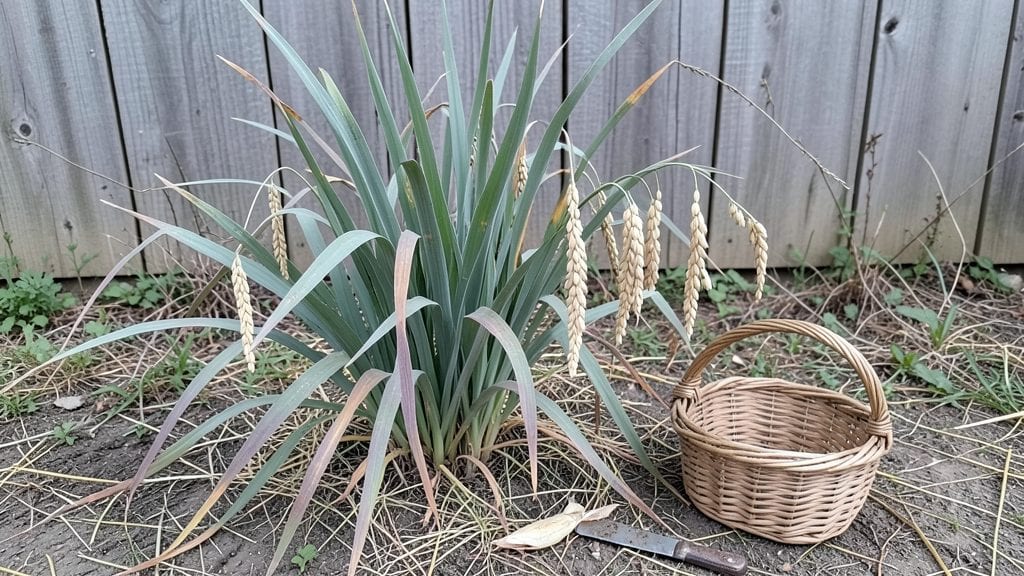
Creating a Florida weave garden turns your yard into a lush, sun-drenched privacy screen that thrives all year. 🌿 I stumbled onto this technique after struggling with traditional hedges that wilted in summer or died back in winter—this method uses native plants that love Florida’s heat and humidity while cutting water use by half.
The key is layering plants with different heights and textures so they fill in naturally, creating a living wall that’s both beautiful and functional.
The beauty of Florida weave gardening is that it works with what’s already around you. Instead of expensive fences or thirsty shrubs, you use plants like coontie palms, muhly grass, and firebush that handle Florida’s weather like pros.
They need less water, no heavy pruning, and attract butterflies and birds—basically, they do the work for you. Plus, the mix of evergreens and seasonal bloomers keeps color going from spring through fall.
By the end of the first year, you’ll have a vibrant, low-maintenance screen that blocks noise and neighbors while adding value to your home. The plants grow together like a tapestry, with each species playing its part—some for height, some for texture, and others for year-round interest.
No more patchy hedges or water bills that make you wince. This is gardening that actually works with Florida’s climate instead of fighting it.
Whether you’ve got a small backyard or a sprawling lot, this technique scales easily. Start with a sunny spot, pick three to five native plants, and let them do the rest. The best part? Once established, these gardens practically take care of themselves—just add rain and watch the magic happen.
📚 In This Guide
- What you need
- Instructions
- Tips and common mistakes
- Wrapping up and next steps
What you need
- ● Florida-Friendly Shrubs (Main Plants): 10–20 plants per 6-foot section (e.g., Firebush, Muhly Grass, or Dwarf Yaupon Holly)
- ● Height: 3–6 feet (mix heights for texture!)
- ● Spacing: 18–24 inches apart for optimal growth
- ● Support Structures: 1–2 bamboo stakes or trellis panels per 6-foot section (for training vines if using climbers like Passionflower)
- ○ Optional: Wire mesh (for heavy climbers)
- ● Soil Amendments (Florida-Specific!): 5–10 lbs of compost or aged pine bark per planting hole
- ● 1 cup slow-release fertilizer (10-10-10 or organic option)
- ● Tools: Trowel or transplant spade
- ● Garden gloves (to protect from palmetto fronds or thorns!)
- ● Watering can or hose with soaker nozzle
- ● Pruners (for shaping)
- ● Mulch: 2–3 inches of pine straw or cypress mulch (retains moisture & deters weeds)
- ● Drip irrigation kit (for hands-off watering)
- ● Florida-native flowers (e.g., Blanket Flower or Butterfly Bush) for pollinator-friendly pops of color!
- ● Decorative edging (e.g., galvanized metal or bamboo stakes) for a polished look
Step-by-step instructions for creating a Florida weave garden
Here’s how to craft a lush, year-round privacy screen that thrives in Florida’s climate.
🌿 Step 1: Plan Your Layout and Select Plants
Florida weave gardens rely on layered, fast-growing plants to create instant privacy. Sketch your space first—measure the height and width of the area you want to cover. A 6-foot-tall weave is ideal for blocking views while allowing light to filter through. Choose a mix of native Florida plants like coontie palms, muhly grass, and firebush for structure, plus vining plants like passionflower or crossvine to fill gaps.
I always space plants 12-18 inches apart in the front row and 2-3 feet apart in the back for depth. This ensures foliage fills in quickly without overcrowding. If you’re working with 4 sections (as suggested), divide your plants evenly—aim for 6-8 plants per section to create a dense, natural look.
🪴 Step 2: Prepare the Soil and Plant Your Foundation Layer
Florida’s sandy soil drains too fast for most plants, so amend it with 2 inches of compost mixed into the top 6 inches of soil. This improves moisture retention while keeping roots from overheating. Dig holes twice as wide as the root ball but only as deep—planting too deep suffocates roots.
Start with your tallest plants at the back, pressing soil firmly around the base to eliminate air pockets. Water deeply right after planting—1 gallon per plant—to help roots establish. Mulch with 2 inches of pine straw to conserve moisture and suppress weeds. This layer also mimics Florida’s natural forest floor, keeping plants happy year-round.
☀️ Step 3: Add Vining Plants for Quick Coverage
Vines are the secret to fast privacy. Train crossvine or passionflower along trellises or arbors placed 3-4 feet apart in the middle layer. These climbers grow 10-15 feet per season, so they’ll fill gaps in 3-4 months. Secure vines loosely with soft garden twine—don’t tie too tight, or you’ll restrict growth.
For the front layer, plant spreading shrubs like dwarf yaupon holly or coontie palms to soften the edge. These stay compact but provide texture. Water new vines every 2-3 days for the first 2 weeks until they root. You’ll know they’re thriving when new leaves appear within 7-10 days—that’s your cue to ease up on watering.
✂️ Step 4: Maintain and Prune for Year-Round Beauty
Florida’s humidity means fast growth, so prune twice a year—once in early spring to shape plants and again in late summer to remove dead foliage. Trim back overly leggy vines to encourage bushier growth. I always use clean, sharp pruners to avoid damaging stems, and I sterilize them with rubbing alcohol between cuts to prevent disease.
Fertilize lightly in spring and fall with a balanced, slow-release fertilizer (like 6-6-6). Florida’s soil is nutrient-rich, so too much fertilizer burns roots. Watch for yellowing leaves—this usually means overwatering or poor drainage. Adjust your watering schedule to once a week unless there’s a heatwave over 90°F, then water every 2-3 days to keep soil moist but not soggy.
💧 Step 5: Protect and Enjoy Your Living Privacy Screen
Florida’s storms can damage young plants, so stake tall specimens during hurricane season. Use flexible bamboo stakes tied with soft fabric strips to avoid cutting into bark. Once established, your weave will handle wind and rain like a pro—just keep an eye on salt spray near coastal areas, which can scorch leaves. Rinse plants with fresh water after storms to remove salt buildup.
In 2-3 years, your Florida weave will be lush and self-sustaining. Sit back and enjoy the sun-dappled privacy it provides—no fence, no noise, just nature’s perfect screen. The best part? It grows more beautiful every year with almost no effort.
Tips & tricks for perfect Florida weave gardening
These simple strategies will help you create a thriving Florida weave garden that stands the test of time and weather.
Plant Spacing Secret: The 12-18 inch spacing in your front row might seem tight, but trust me—it's perfect for creating that lush, dense look you want. I learned this the hard way after planting too far apart and ending up with gaps that let light (and neighbors) peek through. For the back row, that 2-3 foot spacing gives your taller plants room to grow without competing for sunlight.
Soil Prep Wisdom: That 2 inches of compost mixed into the top 6 inches of soil is non-negotiable for Florida's sandy conditions. I've seen many gardeners skip this step, only to watch their plants struggle with moisture and heat. If you're working with rocky soil, consider adding a bit more compost—up to 3 inches—to improve drainage while retaining moisture. The key is to create a sponge-like environment that holds water without drowning roots.
Vine Training Technique: When training your crossvine or passionflower along trellises, use soft garden twine that's at least 1/4 inch wide. I've found that narrower twine can cut into the delicate vines as they grow. Also, leave some slack in your ties—you want to guide growth, not restrict it. The vines will naturally find their way up the trellis once they're established, usually within those 3-4 months you're aiming for.
Heatwave Survival Strategy: During those scorching Florida heatwaves over 90°F, your weave will need extra attention. I've found that watering every 2-3 days is crucial, but timing matters too. Water in the early morning to let foliage dry before evening, which prevents fungal issues. A good rule of thumb is to check soil moisture—if the top inch feels dry, it's time to water. For established plants, you might need to increase to daily watering during peak summer heat.
Pro Tips for Florida Weave Gardening
- These simple strategies will help you create a thriving Florida weave garden that stands the test of time and weather.
- Plant Spacing Secret: The 12-18 inch spacing in your front row might seem tight, but trust me—it's perfect for creating that lush, dense look you want.
- Soil Prep Wisdom: That 2 inches of compost mixed into the top 6 inches of soil is non-negotiable for Florida's sandy conditions.
Frequently asked questions
Got questions about Florida Weave gardening?
You’re not alone! Here are answers to the most common queries to help you create a lush, private retreat with ease.
What’s the best time of year to plant Florida Weave shrubs?
Plant your Florida Weave shrubs in late winter or early spring (February–March) for ideal root establishment. Avoid extreme heat—summer planting can stress young shrubs. If you’re in a mild Florida climate, fall (September–October) is also a great option!
How often should I water Florida Weave plants?
Newly planted shrubs need weekly deep watering (1–1.5 inches) for the first year. Once established, they’re drought-tolerant but thrive with occasional watering during dry spells. Mulch around the base to retain moisture and reduce weeds.
Do Florida Weave shrubs need pruning, and how?
Light pruning in early spring keeps them tidy, but avoid heavy cuts—these shrubs grow best with minimal shaping. Trim only to remove dead or overgrown branches. Never prune in fall, as new growth may not harden off before winter.
Can I grow Florida Weave in full shade?
While they tolerate partial shade, Florida Weave shrubs thrive in full sun (6+ hours daily). In shady spots, growth may slow, and foliage could become sparse. If shade is unavoidable, choose a sunny corner or supplement with a dwarf variety like ‘Florida Pink’.
Are Florida Weave shrubs pest- or disease-prone?
Generally hardy, but watch for scale insects or powdery mildew in humid Florida summers. Prevent pests with regular inspections and treat early with neem oil or insecticidal soap. Ensure good airflow to avoid mildew—prune lightly if needed!
Wrapping up and next steps
Florida Weave gardening is your ticket to year-round beauty, blending practicality with sun-soaked charm. 🌿 Whether you're lining a fence, framing a patio, or adding texture to your landscape, these sun-loving shrubs deliver privacy, durability, and effortless elegance—all while thriving in Florida’s climate. With the right plants and a little creativity, your outdoor space can become a lush, living masterpiece.
Ready to transform your yard? Start small—pick one section to weave first, or sketch a design before planting. Your dream privacy haven is just a clipping away! 🌟