Shrubs
Understanding Florida’s gardening zones—ranging from 8a to 11—helps you select plants that thrive in your specific microclimate, balancing heat tolerance, frost resistance, and humidity needs. Tropical zones (10-11) allow year-round planting, while cooler areas (8-9) demand cold-hardy varieties to survive occasional freezes.
Florida’s gardening zones reflect its diverse climate, where coastal areas near the Gulf Stream stay warmer year-round, while inland regions experience cooler nights. 🌞 The USDA maps break Florida into zones based on average annual minimum temperatures—critical for knowing which plants will survive your area’s coldest nights.
For example, citrus thrives in zones 10-11 but may struggle in zone 9 without protection, while camellias flourish in cooler zones 8-9 where they’d overheat elsewhere.
What’s fascinating is how microclimates—like the shade of a building or a lake’s cooling effect—can shift your effective zone by half a number. I always recommend checking local climate data beyond just the USDA zone, as Florida’s humidity and soil types (sandy vs. clay) further influence plant success.
Start with your zone, then fine-tune based on your yard’s specific conditions.
💡 In This Article
- How Florida’s Unique Climate Creates Distinct Gardening Zones
- Best Plants for Each Florida Gardening Zone by Region
How Florida’s unique climate creates distinct gardening zones
Florida’s gardening zones exist because of its dramatic climate contrasts—where the Gulf Stream keeps coastal areas like Miami in zone 10b-11 with frost-free winters, while inland areas near Lake Okeechobee drop into zone 9a with occasional 28°F freezes.
The key factor is Florida’s subtropical-to-tropical transition: while the southern tip resembles Caribbean climates, northern regions experience more pronounced seasonal shifts. This creates a 15°F temperature gradient across the state, directly impacting plant survival.
The Gulf Stream’s warm waters create a coastal buffer that moderates temperatures, allowing zones 10-11 to support tropical plants like monstera deliciosa and avocado trees year-round.
Meanwhile, inland areas face drier, cooler nights that push them into cooler zones—like zone 8b in the Panhandle—where plants like olive trees and crepe myrtles thrive.
Humidity plays a critical role too: coastal zones average 80%+ relative humidity, while inland areas can drop below 50%, affecting transpiration rates in plants.
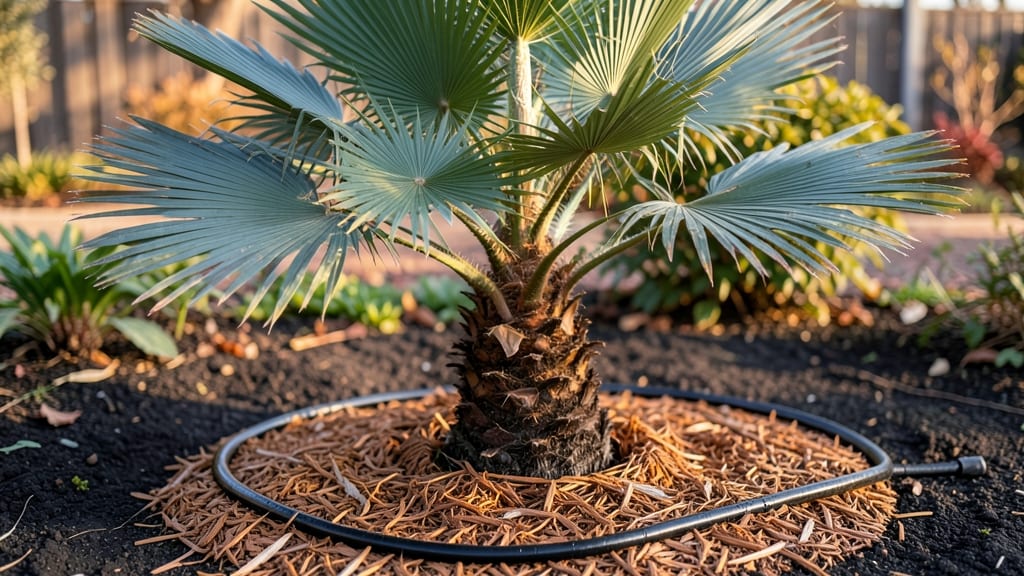
Soil variations further complicate things. Coastal sands drain quickly but lack nutrients, while inland clay soils retain moisture but suffocate roots. For example, palmetto palms dominate sandy coastal soils (zones 9-11) because they tolerate salt spray and poor drainage, while live oaks prefer well-drained soils in zone 8-9 areas.
The science behind this? Root zones in sandy soils stay 10-15°F warmer than clay soils at night, creating microclimates even within the same zone.
What most gardeners overlook is how microclimates can shift your effective zone by half a number. A north-facing wall in zone 9a might create a zone 8b microclimate, while a south-facing garden bed could push conditions into zone 10a.
This is why Florida’s transition zones (9-10) are the trickiest—plants like citrus may survive winters but struggle with summer humidity, while camellias might bloom poorly in heat waves. The solution? Use mulch to stabilize soil temps and windbreaks to reduce drying effects.
Here’s what’s actually happening at the cellular level: Plants in zone 11 never trigger cold-hardening responses (like producing antifreeze proteins), while those in zone 8 develop thicker cuticles and deeper root systems.
The 10°F difference between zones 8 and 11 means tropical plants in zone 11 can photosynthesize 12 months/year**, while zone 8 plants enter dormancy during winter. This explains why hibiscus flowers year-round in Miami but only blooms spring-fall in Orlando.
For practical application, start by mapping your yard’s sun exposure and soil type—these often override the USDA zone. For instance, a shaded garden in zone 10a might need moisture-loving plants like elephant ears, while a sunny spot in zone 9b could handle bougainvillea.
The takeaway? Florida’s zones are a starting point, not a rulebook—adapt based on your microclimate’s unique conditions. 🌿