Tools
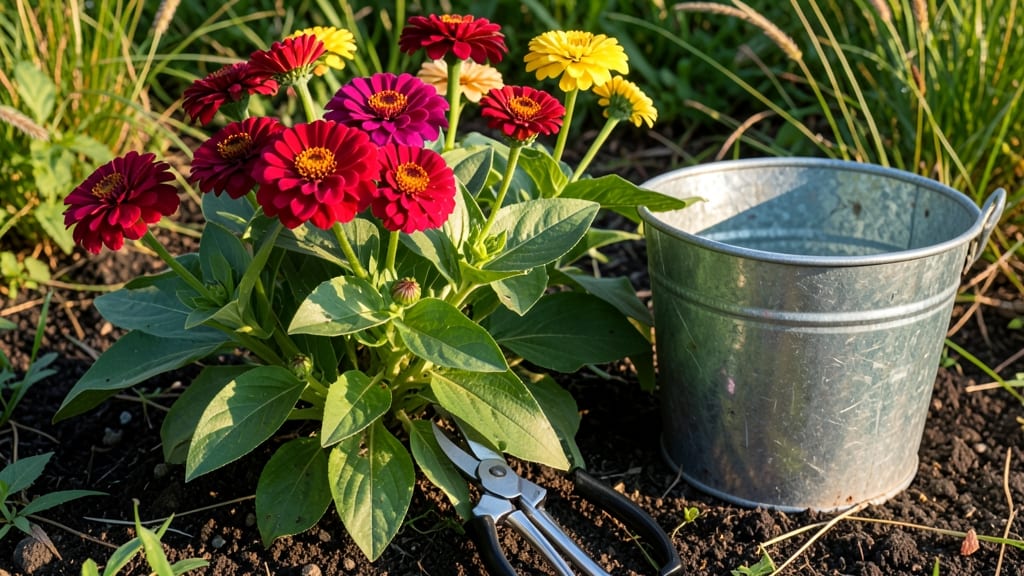
My late summer garden thrives when I treat it like a well-timed dance between heat and harvest. The key isn't fighting the season—it's working with its rhythm, using simple tools and techniques to stretch every last drop of productivity from your compact space.
I’ve learned that a few strategic moves can turn late-season wilt into a second flush of flavorful greens, tender roots, and even a few surprise blooms.
You’ll need just a handful of tools: row covers for heat protection, a sharp pruner for deadheading, and maybe a small fan to cool seedlings during those scorching afternoons.
The real magic happens with quick adjustments—like harvesting every other day to keep plants producing, or mulching heavily to lock in moisture. These tricks work in containers, raised beds, or even a sunny windowsill garden. The goal?
Keep your plants happy enough to keep giving you food instead of throwing in the towel.
By late August, you’ll notice a difference: tomatoes ripening faster, basil staying perky instead of bolting, and carrots sweetening up as nights cool. The garden doesn’t just survive—it delivers a second harvest that tastes even better than the first.
And with a little planning, you’ll be prepping for fall while still enjoying summer’s bounty. Let’s make the most of these golden weeks before the chill sets in.
This works whether you’re in a cramped balcony garden or a backyard plot—just swap tools for your space. The principles stay the same: protect, harvest, and adapt.
Your late-summer garden can be just as productive as spring if you know the right moves. Ready to squeeze every last bite out of the season?
📚 In This Guide
- What you need
- Instructions
- Tips and common mistakes
- Wrapping up and next steps
What you need
- ● Garden Gloves – 1 pair (nitrile-coated for durability and grip).
- ● Hand Trowel – 1 (5-inch stainless steel, ergonomic handle).
- ● Pruners – 1 pair (bypass pruners, sharp and easy to clean).
- ● Watering Can or Hose with Adjustable Nozzle – 1 (5-gallon capacity or equivalent).
- ● Compost or Slow-Release Fertilizer – 1 bag (organic, balanced NPK ratio like 10-10-10).
- ● Row Covers or Frost Blankets – 1 roll (lightweight, breathable fabric for protection).
- ● Seed Starting Trays or Small Pots – 5-10 (4-inch biodegradable pots or trays with drainage).
- ● Soil Amendments – 1 bag (pearlite or vermiculite for aeration, worm castings for nutrients).
- ● Stakes or Trellis Kits – 3-5 (bamboo or metal, 4-6 feet tall for vining plants).
- ● pH Test Kit – 1 (digital or liquid test strips for soil pH balance, ideal for late-season adjustments).
- ● Mini Greenhouse or Cold Frame – 1 (extends growing season by 2-4 weeks).
- ● LED Grow Lights – 1-2 (full-spectrum, for seedlings or indoor starts).
- ● Drip Irrigation Kit – 1 (saves water and time, especially in compact spaces).
- ● Plant Markers – 10-15 (reusable or biodegradable labels for organization).
- ● Organic Mulch – 1 bag (straw or shredded leaves to retain moisture).
- ● Portable Fan – 1 (for pollination in enclosed spaces or hot afternoons).
Instructions for maximizing your late summer garden in small spaces
Here’s how to stretch your harvest well past summer’s end without needing extra square footage.
Clear and Refresh Existing Planting Areas
Remove any spent summer crops like tomatoes or peppers—their depleted roots will compete with new plants. I pull them up by hand when the soil is damp, which makes the job easier and prevents disturbing nearby plants. For stubborn weeds or volunteers, use a small hand fork to loosen the roots before pulling. This step ensures your soil isn’t overcrowded and gives new plants room to thrive.
Once the area is clear, add a 1-inch layer of the compost you’ve been saving. Work it into the top 2-3 inches of soil with a hand trowel. This boosts nutrients just when your late-season plants need them most. If your soil feels compacted, mix in a handful of perlite to improve drainage—especially important in late summer when rain can be unpredictable.
Choose Fast-Maturing, Cold-Tolerant Crops
For compact spaces, focus on varieties that mature quickly and handle cooler temperatures. I always reach for bush beans, spinach, or radishes—they’re ready to harvest in as little as 30-45 days and can tolerate light frosts. Check seed packets for “days to maturity” and pick the shortest options. Plant them in rows spaced 6-12 inches apart, depending on the variety, to maximize yield without overcrowding.
If you’re short on space, consider vertical gardening. Use trellises for peas or pole beans, which can climb 5-6 feet high and produce more in less ground area. Just be sure to install supports before planting—roots hate being disturbed later. For leafy greens like lettuce, stagger plantings every 10-14 days to ensure a continuous harvest.
Optimize Watering and Mulching
Late summer heat can dry out soil quickly, so water deeply once a week—aim for 1 inch of water per week, delivered slowly at the base of plants. I use a watering wand to avoid disturbing soil or washing away mulch. In the morning is best to reduce evaporation and fungal risks. Check soil moisture by sticking your finger 1 inch deep; if it feels dry, water again.
Spread a 2-inch layer of straw mulch around each plant, keeping it 2 inches away from stems to prevent rot. Mulch conserves moisture, regulates soil temperature, and suppresses weeds—all critical in late summer when resources are scarce. Replenish mulch every 2-3 weeks as it breaks down, especially after rain.
Extend the Season with Protective Measures
If frost threatens, cover tender crops with lightweight row covers or old bedsheets secured with stakes. These barriers trap heat during the day and insulate at night, buying you 2-3 extra weeks of growing time. Remove covers during the day to let plants breathe and prevent overheating. For extra protection, add a 1-inch layer of straw over the soil before covering—it acts like a blanket for roots.
Harvest regularly to encourage new growth. For leafy greens, pick the outer leaves first, leaving the inner ones to keep producing. With radishes, harvest as soon as they reach 1 inch in diameter—waiting too long makes them woody and tough. This practice ensures your plants stay productive until the first hard frost.
Plan for Next Season While You Still Can
Use this downtime to sketch a layout for next year’s garden. Note which crops thrived and which struggled in their spots—this helps you rotate families and avoid soil-borne diseases. I jot down observations like “basil did well here but needed more shade” or “carrots grew too close to the fence.” Adjust your planting plan accordingly, leaving 12-18 inches between rows for better airflow and easier maintenance.
Clean up debris immediately after harvest to prevent pests and diseases from overwintering. Store seeds from your best performers in a cool, dry place for next year. Even in small spaces, a little planning now means bigger harvests—and fewer headaches—next season.
Tips & tricks for maximizing your late summer garden
Small spaces don’t mean small harvests—here’s how to squeeze every last drop of productivity from your late-season garden.
Timing is Everything: When planting those fast-maturing crops in Step 2, aim for the earliest possible date in your region. I’ve found that starting bush beans or spinach by mid-August gives me a harvest right through October in most climates. Check your local frost dates and work backward from the first expected frost to determine your planting window. This ensures you’re not racing against time with crops that need a full 30-45 days to mature.
Soil Prep Shortcuts: Don’t have compost ready? Mix in a handful of well-aged manure or even coffee grounds (from your morning brew!) into that 1-inch layer from Step 1. Coffee grounds add nitrogen and acidity, which works beautifully for leafy greens like spinach. Just be sure to mix them thoroughly—they can be too acidic if concentrated in one spot. For compacted soil, a handful of perlite isn’t your only option: crushed eggshells or coarse sand also improve drainage without altering your soil’s structure.
Watering Wisdom: That 1-inch weekly watering guideline in Step 3 works perfectly for most late-summer conditions, but I’ve learned the hard way that morning watering isn’t always enough in extreme heat. When temperatures climb above 90°F, I increase to twice-weekly watering—once in the morning and once in the late afternoon. The key is to water deeply each time, ensuring moisture reaches at least 6 inches down. A moisture meter is worth its weight in gold for this, but you can also use the old finger test: if the soil feels dry past 1 inch down, it’s time to water again.
Protective Layering: For those extra 2-3 weeks of growing time in Step 4, I’ve found that combining row covers with that 1-inch straw layer creates a microclimate that can push back frost by up to 10 days. The straw acts as insulation, while the row cover traps radiant heat during the day. Pro tip: Secure the covers tightly with bricks or stones to prevent wind from tearing them—nothing’s more frustrating than waking up to a blown cover and vulnerable plants underneath. And remember, those row covers aren’t just for frost protection—they also shield plants from late-season pests like cabbage moths.
Pro Tips for Late Summer Garden
- Small spaces don’t mean small harvests—here’s how to squeeze every last drop of productivity from your late-season ga...
- Timing is Everything: When planting those fast-maturing crops in Step 2, aim for the earliest possible date in your r...
- Soil Prep Shortcuts: Don’t have compost ready? Mix in a handful of well-aged manure or even coffee grounds (from your...
Frequently asked questions
Got questions about keeping your late summer garden thriving in tight spaces?
Here are answers to the most common ones—because even small gardens deserve big harvests!
What’s the best way to extend the harvest season in late summer?
Use row covers, cold frames, or mini greenhouses to shield plants from heat stress and frost. Succession planting (sowing fast-growing crops like radishes or lettuce every 2–3 weeks) also keeps your garden productive. For compact spaces, try vertical gardening with trellises to maximize sunlight exposure.
Can I still plant vegetables in late summer?
Opt for cool-season crops like kale, spinach, or carrots (they tolerate mild frost). For warm climates, stick to heat-resistant varieties like Swiss chard or black-eyed peas. Plant in partial shade to prevent bolting (premature flowering). Just avoid heavy feeders like tomatoes—they need more time to mature.
How do I troubleshoot wilting plants in late summer?
Wilting often signals heat stress or underwatering. Mulch heavily (2–3 inches) to retain moisture, and water deeply in the early morning to reduce evaporation. Prune leafy growth to improve airflow, and avoid fertilizing—plants focus on roots, not foliage, when stressed. If pests are the issue, use neem oil or companion planting (e.g., marigolds).
What are the easiest low-maintenance tools for small late-summer gardens?
Prioritize multi-functional tools: a foldable kneeling pad (saves your back), self-watering planters (reduces chores), and compact pruners for trimming. A soil thermometer helps track planting times, and drip irrigation systems save water. For vertical spaces, wall-mounted planters or hanging pockets work wonders.
What should I do with my garden if a late summer heatwave hits?
Temporarily shade sensitive plants with lightweight fabric or straw bales. Move potted plants to shadier spots or indoors if possible. Mulch aggressively to cool soil, and avoid working the garden during peak heat (10 AM–4 PM). If possible, harvest early to reduce stress on mature crops like peppers or eggplants.
Wrapping up and next steps
As late summer winds down, your compact garden doesn’t have to follow suit! With the right tools and techniques—like season extenders, vertical gardening, and smart pruning—you can squeeze every last harvest from your space.
Whether you’re a balcony gardener or working with a tiny backyard, these hacks prove that small spaces can yield big rewards.
Now’s the time to put your knowledge into action. Try one new tool or trick this week, and watch how it transforms your garden’s productivity. Happy growing—your fall table (and wallet) will thank you! 🌱✨