Vegetables
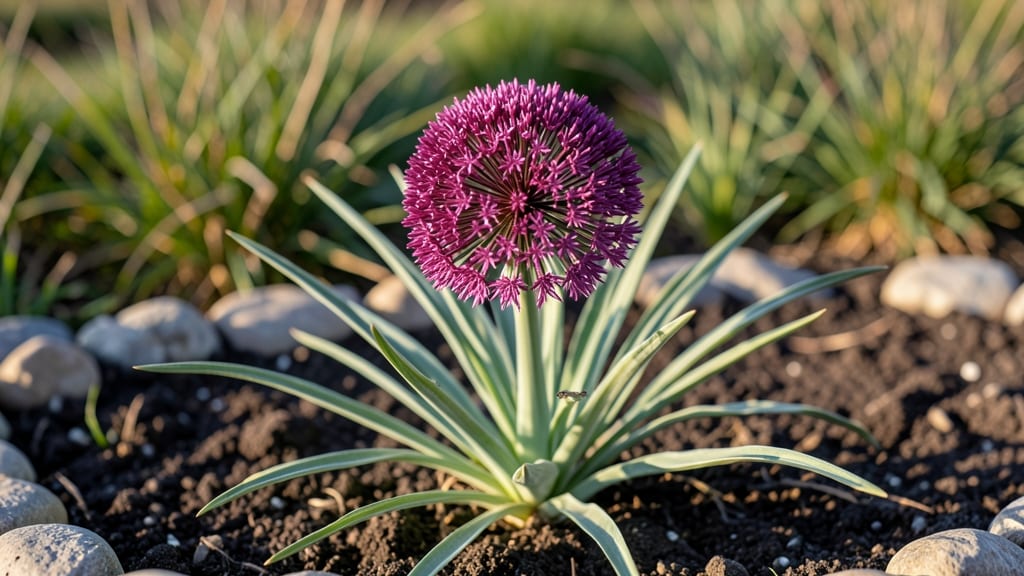
Human gardens support biodiversity by creating microhabitats for pollinators, birds, and beneficial insects while restoring native plant species and reducing urban heat islands. They also provide food sources for wildlife and improve soil health, fostering resilient local ecosystems.
Human gardens act as living laboratories for ecological restoration in urban and suburban areas. 🌿 By blending native plants with intentional design, they transform concrete jungles into thriving habitats where bees, birds, and butterflies can thrive.
The key lies in their ability to mimic natural ecosystems—providing shelter, food, and breeding grounds while filtering pollutants from the air. Unlike traditional ornamental gardens, these spaces prioritize function over form, creating corridors that connect fragmented wildlife habitats across cities.
What makes them so effective is their adaptability. A well-designed garden can serve as a refuge for migrating songbirds, a nesting site for native bees, or even a drought-resistant oasis during heatwaves.
The soil benefits too—diverse plantings prevent erosion while their deep roots break up compacted earth, allowing water to penetrate more efficiently. This dual approach of supporting wildlife and improving soil creates a feedback loop that strengthens entire ecosystems over time.
💡 In This Article
- How Human Gardens Boost Pollinator Populations
- Designing a Wildlife-Friendly Garden Layout
How human gardens boost pollinator populations
Native plants are the backbone of pollinator survival because they've co-evolved with local species over millennia. For example, a single milkweed plant can support 500 monarch butterfly caterpillars during their critical 3-4 week larval stage - a relationship that's been perfected through natural selection.
The key lies in plant chemistry: native flowers produce nectar with specific sugar concentrations (typically 15-25% sucrose) that match what bees and butterflies have adapted to digest efficiently, unlike many hybrid garden plants that offer little nutritional value.
The real magic happens when gardens create seasonal bloom sequences that provide continuous food sources.
A well-designed garden might start with early spring bloomers like Virginia bluebells (which flower for just 3 weeks but attract early emerging bees), followed by summer favorites like black-eyed Susans (which bloom for 8-10 weeks), and finish with late-season goldenrod (a critical fall resource).
This staggered approach ensures pollinators aren't left without food during migration periods or between broods. 🌸 What's fascinating is how this timing affects genetic diversity - bees that feed on a variety of plants develop stronger immune systems and greater resistance to pests, creating more resilient populations.
Pesticide-free practices are equally critical because even "safe" chemicals can disrupt pollinator navigation systems. For instance, neonicotinoids - commonly used in conventional gardening - can impair bees' ability to learn floral scent patterns, effectively turning their foraging into a random search rather than an efficient hunt.
The solution lies in mechanical controls like hand-picking pests and companion planting (e.g., marigolds repelling aphids while attracting beneficial wasps). Studies show gardens using these methods can increase bee visitation rates by up to 40% within just 2 growing seasons.
Here's what actually happens at the population level: a diverse garden with 10+ native plant species can support 2-3 times more pollinator species than a monoculture lawn. The reason is simple - different flowers offer varied pollen types, shapes, and nectar depths that cater to specialized feeders.
For example, bumblebees with 1-inch long tongues can access deep-throated flowers like bee balm, while shorter-tongued bees rely on flat-faced flowers like clover. This floral diversity creates a safety net where if one species declines, others can compensate.
Water sources play an equally vital role, though they're often overlooked. A shallow dish with pebbles and fresh water can become a lifeline during dry spells, preventing bee desiccation. The pebbles create landing platforms that prevent drowning - a critical adaptation since bees can't swim.
What's surprising is how this simple addition can increase garden productivity: one study found gardens with water sources had 60% more bee activity during summer droughts compared to dry gardens. The ripple effect extends to birds too, as pollinators become prey for insectivorous species like robins and warblers.
The most effective gardens create what ecologists call "pollinator hotspots" by combining these elements. A 100-square-foot plot with native perennials, seasonal succession planting, and water sources can support 50-100 individual bees during peak bloom - comparable to what you'd find in a 1-acre natural meadow.
The difference? These hotspots are strategically placed in urban areas where natural habitats have been fragmented, acting as stepping stones for migrating species. 🐝