Landscaping
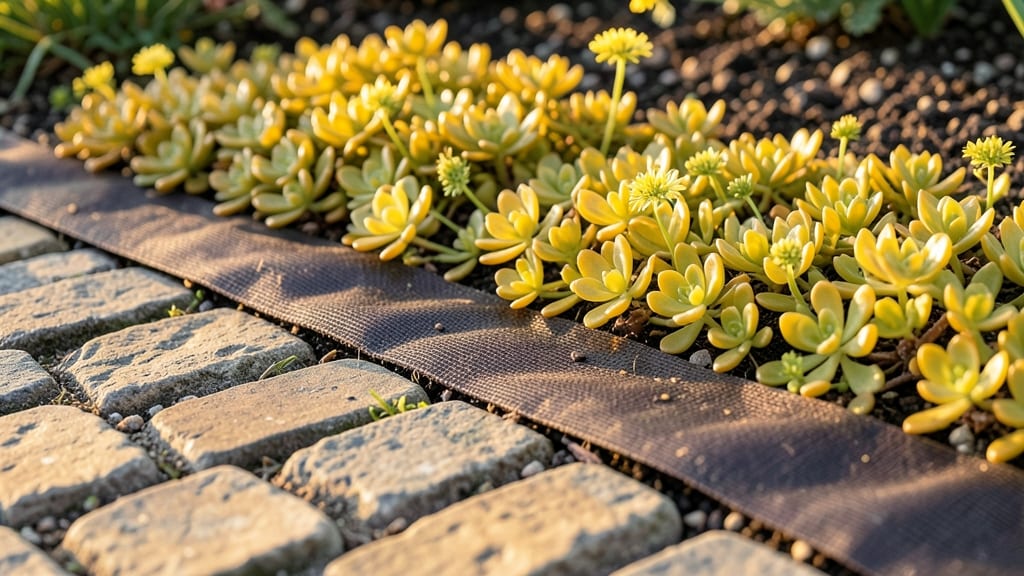
Cobble garden edging creates natural borders that enhance your landscape's rustic appeal while controlling soil erosion and suppressing weeds. Flat stones like bluestone or slate deliver crisp, clean lines, while irregular river rocks add organic texture. For lasting stability, use landscape adhesive or sand bedding to lock everything in place.
This versatile edging solution works because cobble stones distribute weight evenly, preventing soil from spilling into garden paths while their irregular shapes deter weeds. 🌿 The key to success lies in choosing stones that match your garden's style—smooth, uniform stones create structured looks, while rough river rocks bring a wild, natural aesthetic.
Many gardeners also appreciate how cobble edging ages beautifully, developing a weathered charm over time that complements mature landscapes.
When installing, proper preparation is everything. Digging a trench slightly wider than your stones and creating a firm base with compacted gravel ensures your edging stays put. For extra security in high-traffic areas, consider using a combination of sand bedding and landscape adhesive to prevent shifting over time.
💡 In This Article
- How to Choose the Best Cobble Stones for Edging
- Step-by-Step Cobble Edging Installation Guide
How to choose the best cobble stones for edging
The weight of your cobble stones directly impacts both stability and installation effort. Bluestone, for example, typically weighs between 12-18 pounds per square foot when cut to standard edging sizes (about 2-3 inches thick), making it ideal for formal gardens where precision matters.
River rocks, however, can vary dramatically—some weigh as little as 1-2 pounds for small pebbles, while larger cobblestones may exceed 50 pounds each. This variation affects how they settle over time, with heavier stones resisting erosion better in sloped areas.
Shape and uniformity play crucial roles in aesthetics and function. Flat stones like slate or bluestone create clean, geometric borders that work beautifully with modern or cottage-style gardens. Their smooth surfaces also make them easier to clean and maintain.
In contrast, irregular river rocks with jagged edges add organic texture and blend seamlessly into natural landscapes. The trade-off? Irregular stones require more precise placement to avoid gaps where weeds might sprout.
For example, a 2-foot section of river rock edging might need 15-20 stones compared to just 6-8 flat bluestone slabs for the same length.
Durability depends on stone composition. Bluestone (a type of sandstone) has a Mohs hardness of 6-7, making it resistant to freezing and thawing cycles—a critical factor in northern climates. Granite, with a hardness of 6-7.5, offers similar longevity but often at a higher cost.
River rocks, typically limestone or quartzite, vary widely in hardness (3-7), so inspect each batch for soft spots. The color impact also matters: gray bluestone ages to a silvery patina, while red or brown river rocks develop rich, earthy tones over time, enhancing seasonal interest.
Regional availability affects both cost and sustainability. In the Northeast, bluestone is abundant and costs $3-$6 per square foot installed, while river rocks from local streams may run $2-$4 per square foot. In the Southwest, granite cobblestones dominate, priced at $5-$10 per square foot due to quarrying costs.
Always check local stone yards for "seconds" or irregular shapes—they're often 30-50% cheaper than premium cuts but work perfectly for rustic edging. Pro tip: Collect river rocks yourself from permitted areas to cut costs dramatically while ensuring perfect fit.
Consider your garden's scale when choosing sizes. For small flower beds (2-3 feet wide), 3-5 inch diameter stones create a charming, intimate look. Larger beds benefit from 6-12 inch cobblestones placed 1-2 inches apart to maintain visual cohesion.
The spacing rule of thumb: leave gaps equal to about 1/3 the stone's diameter. This balance prevents soil erosion while allowing drainage—a critical factor in preventing root rot for nearby plants.
Don't overlook the tactile experience. Walk your garden paths barefoot after installation—rough river rocks feel cool and textured underfoot, while smooth bluestone offers a more refined surface. This sensory detail can influence everything from children's play areas to meditation gardens.
For high-traffic zones, consider adding a 1/2-inch sand layer between stones to create a more stable, walkable surface over time.