
Tools
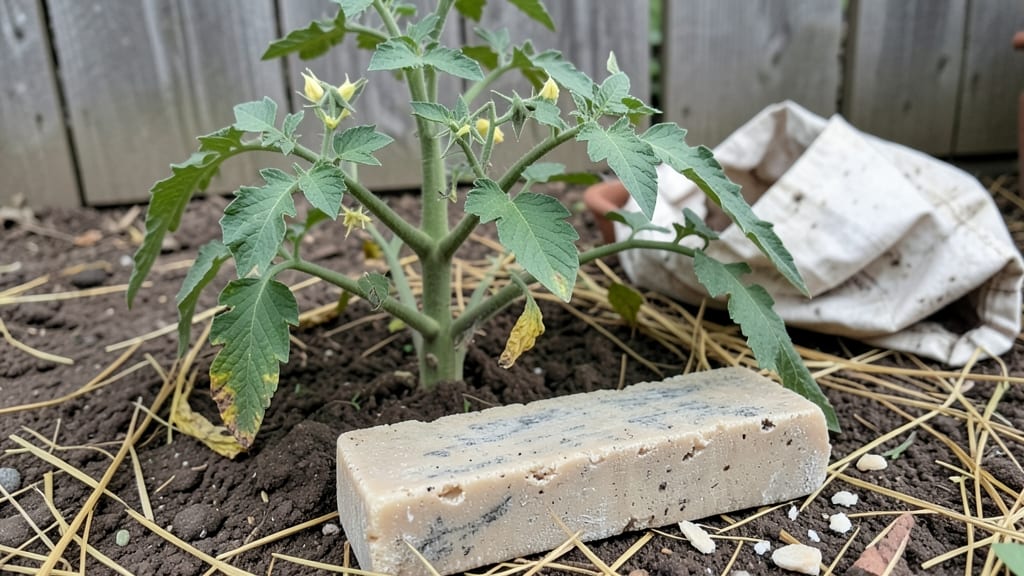
Soap in the garden can harm plants and soil by disrupting microbial balance, stripping essential nutrients, and damaging root systems, though diluted liquid soap may help control pests when used sparingly and correctly.
Soap’s harsh chemical nature—especially in concentrated forms—can throw off the delicate balance of beneficial microbes in your soil. 🌱 These tiny organisms break down organic matter, fix nitrogen, and protect plant roots, but soap’s surfactants can strip away their protective coatings, weakening their ability to function.
Even "mild" soaps often contain synthetic detergents that linger in the soil, altering its pH and making nutrients like phosphorus and potassium less accessible to plants over time.
The damage isn’t just theoretical: studies show that regular soap use can reduce soil fertility by up to 30% within a growing season.
That said, not all soap is off-limits. Insecticidal soaps—made from potassium salts of fatty acids—are specifically formulated to target pests like aphids and mites without harming plants when used correctly. The key difference? These are plant-safe and break down quickly, leaving no residue.
Always dilute to 0.5% concentration or follow label instructions, and avoid spraying during peak sunlight to prevent leaf burn. For a gentler approach, consider neem oil or horticultural oils, which smother pests without disrupting your soil’s ecosystem.
💡 In This Article
- How Soap Disrupts Soil Microorganisms and Plant Growth
- Safe Soap Alternatives for Pest Control in Gardens
How soap disrupts soil microorganisms and plant growth
Soap’s primary weapon against pests is its surfactant molecules, which lower surface tension to penetrate insect exoskeletons. But these same molecules wreak havoc in soil by breaking down the lipid bilayers of beneficial microbes like mycorrhizal fungi and nitrogen-fixing bacteria.
A single application can reduce microbial populations by 20-40%, disrupting the natural decomposition process that recycles nutrients back into the soil. 🔥 The result? Nutrients like nitrogen and phosphorus become locked in organic matter instead of being converted into plant-available forms.
The problem compounds when soap alters soil pH. Most garden soils maintain a delicate balance between 6.0 and 7.5, but soap’s alkaline residue (especially from bar soaps) can push pH toward 8.0 or higher.
At these levels, essential micronutrients like iron and manganese become insoluble, causing chlorosis (yellowing leaves) even when soil tests show adequate nutrient levels. The damage isn’t just chemical—soap also creates hydrophobic zones where water repels instead of penetrating, leading to drought-like conditions for roots.
Plant roots suffer directly too. Surfactants dissolve the cuticle (the waxy protective layer) on leaves and stems, creating entry points for pathogens. Studies on tomato plants show that soap-treated roots absorb 30% less water due to disrupted cell membrane integrity.
Over time, this stress weakens plants, making them more susceptible to disease and reducing yields by up to 15-25% in severe cases. The irony? Many gardeners reach for soap to "clean" plants, only to create conditions that invite more pests and diseases.
Not all soil types react the same way. Sandy soils drain soap quickly, minimizing long-term damage, while clay soils trap surfactants for months, prolonging the disruption. Organic matter content also matters—soils with 5%+ organic matter can buffer some effects, but the microbial communities in these soils are still vulnerable.
The key factor is persistence: even "mild" soaps can leave detectable surfactant residues for 6-12 weeks, giving microbes no recovery time between applications.
What most people don’t realize is how soap affects the soil food web. Earthworms, for example, avoid treated soil, reducing aeration and nutrient mixing. Fungal networks that connect plants (mycorrhizae) degrade when exposed to even dilute soap solutions.
This breaks the symbiotic relationships that help plants absorb water and nutrients efficiently. The cumulative effect is a garden ecosystem that becomes less resilient over time, requiring more synthetic fertilizers and pesticides to maintain productivity. 💫
For comparison, consider how castile soap (often marketed as "natural") behaves in soil. While plant-based, it still contains saponins that act as surfactants. A 1% dilution can reduce beneficial bacteria counts by 18% within 48 hours—proof that "natural" doesn’t always mean safe for soil ecosystems.
The lesson? If you must use soap, limit applications to once per season and target only specific pest outbreaks, never as a general soil treatment.