
Advice
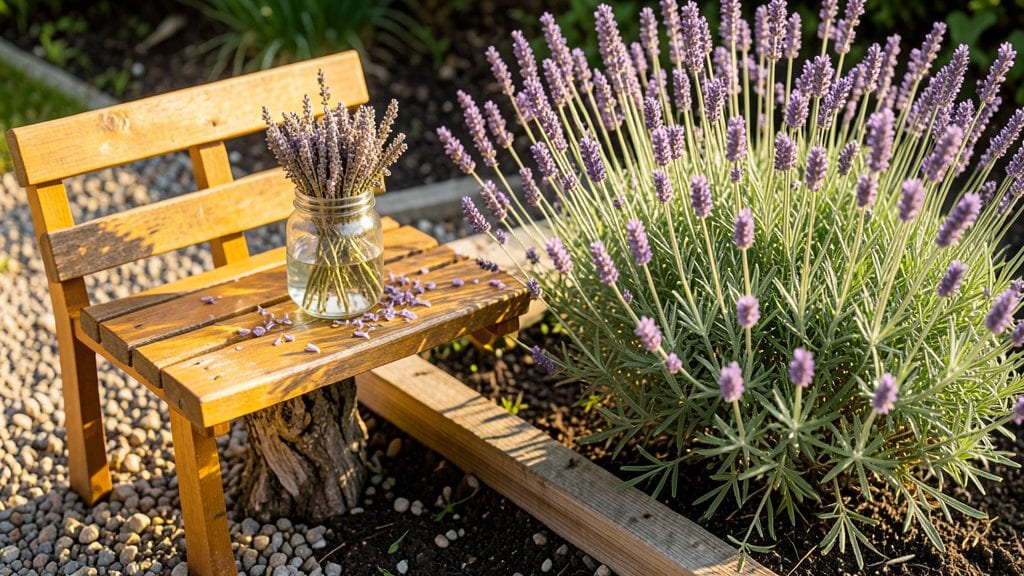
The benefits to gardening span mental clarity, stress relief, and physical wellness through movement and fresh food access, while also sharpening focus and fostering community bonds.
Gardening isn’t just about growing plants—it’s a full-body, mind-body workout disguised as a hobby. 🌱 Studies show that tending to soil increases serotonin levels, naturally lifting your mood, while the rhythmic motions of digging and planting create a meditative flow.
Even small container gardens can deliver these perks, making it accessible for anyone with limited space. The social side is often overlooked too: community gardens turn strangers into neighbors, and sharing harvests builds support networks that boost resilience.
What’s fascinating is how these benefits compound over time. For example, tracking plant growth teaches patience and problem-solving, while the act of nurturing life—even in a tiny urban plot—creates a tangible sense of accomplishment.
The physical activity alone (like raking or weeding) burns calories and strengthens muscles, while the fresh produce reduces reliance on processed foods. It’s one of the few hobbies that simultaneously feeds your body, mind, and social circle.
💡 In This Article
- How Gardening Improves Mental and Cognitive Health
- Practical Ways to Maximize Gardening’s Physical and Social Benefits
How gardening improves mental and cognitive health
Here's what's actually happening in your brain when you garden: The combination of sunlight exposure, physical movement, and sensory stimulation triggers a cascade of neurochemical responses. Sunlight boosts vitamin D production, which regulates serotonin—a neurotransmitter linked to mood stability.
Meanwhile, the repetitive motions of planting or pruning activate the brain's default mode network, a state associated with mindfulness and reduced anxiety. Studies from the University of Florida show that just 30 minutes of gardening can lower cortisol levels by up to 25%, comparable to meditation.
The sensory engagement is where things get particularly powerful.
The earthy aroma of soil contains petrichor, a compound that activates the amygdala—our brain's emotional center—while the act of touching soil (even just potting mix) has been shown to reduce stress hormones. 🌿 Visual stimulation from vibrant plants also engages the brain's attention networks, creating a natural "flow state" that enhances focus.
Research in the journal Frontiers in Psychology found that gardeners reported 40% lower symptoms of depression after consistent gardening, with improvements in cognitive flexibility and working memory.
What most people don't realize is how gardening rewires your brain over time. The problem-solving required to troubleshoot plant health—like diagnosing pests or adjusting water schedules—exercises your prefrontal cortex, the area responsible for decision-making and impulse control.
This cognitive engagement is why therapeutic horticulture programs see such dramatic improvements in dementia patients; the tactile and visual stimulation helps maintain neural connections. The tactile feedback from handling plants also releases dopamine, creating a natural reward system that reinforces positive behaviors.
There's a measurable difference in how different gardening activities impact your brain. For instance, pruning engages fine motor skills and requires strategic planning, while weeding provides rhythmic, repetitive motion that can be meditative.
The variety of sensory inputs—smelling herbs, feeling different soil textures, watching plants grow—creates what neuroscientists call "multisensory enrichment," which enhances neural plasticity. This is why gardeners often report improved creativity and problem-solving skills in other areas of life, a phenomenon documented in studies at the University of Michigan.
The social dimension adds another layer to these benefits. When you share your harvest or collaborate in community gardens, the act of giving and receiving creates oxytocin—the "bonding hormone"—which further reduces stress.
Research from the University of Essex found that participants in community gardening programs experienced 30% higher social cohesion and reported feeling more connected to their neighborhoods.
This social engagement is particularly powerful for those recovering from mental health challenges, as it provides both physical activity and emotional support in one setting.
One often-overlooked mechanism is how gardening creates "micro-moments" of joy throughout the day. The simple pleasure of watching a seed sprout or harvesting your first tomato triggers the brain's reward pathways in ways that compare favorably to more passive leisure activities.
These small wins build resilience over time, creating what psychologists call "positive reinforcement loops." The best part? You don't need a sprawling plot to experience these benefits—even tending to a single herb pot on a windowsill can deliver measurable improvements in mood and cognitive function.