Vegetables
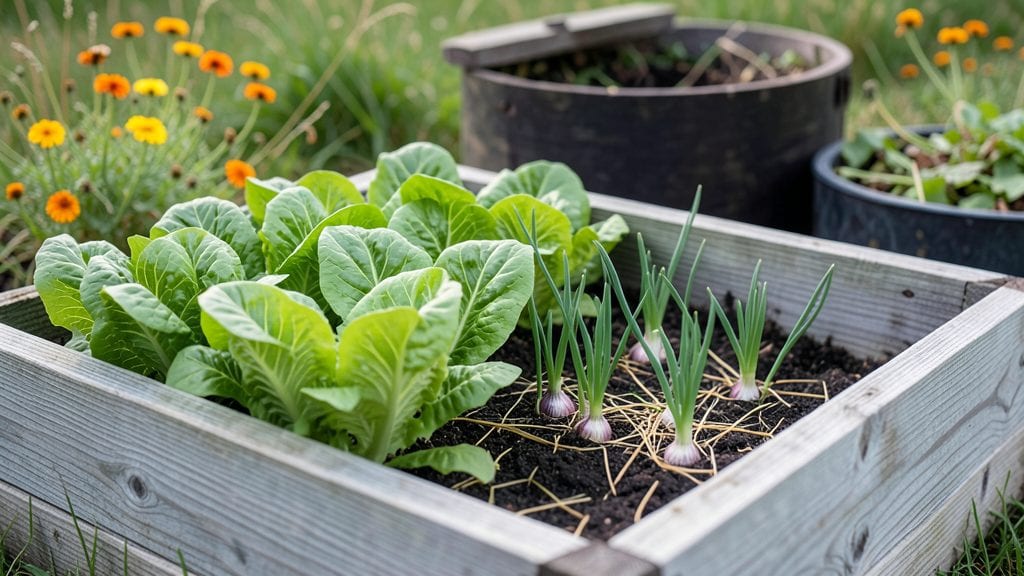
These images don't just show pretty gardens—they demonstrate smart design that works for real-world growing conditions. 🌿 For example, raised beds with trellises for climbing plants create vertical interest while maximizing limited space, while winding pathways encourage social interaction.
Many successful gardens also incorporate native perennials that return year after year, reducing maintenance while supporting local ecosystems. The most inspiring community garden pictures often feature a mix of practicality and artistry, proving that beautiful spaces can also be highly functional.
The best layouts balance three key elements: food production areas, pollinator zones, and communal gathering spots. I've noticed that gardens with clear zones—like a dedicated herb spiral near the entrance—help visitors understand the space's purpose while making maintenance easier.
Seasonal color shifts also play a big role; spring might feature early blooming flowers to attract bees, while summer showcases lush vegetables and fall displays pumpkins or gourds for harvest celebrations.
💡 In This Article
- Design Principles Behind Successful Community Garden Layouts
- Top Plant Pairings for High-Yield Community Gardens
Design principles behind successful community garden layouts
Successful community gardens thrive on a balance of spatial efficiency and ecological harmony. The most effective layouts prioritize vertical growing—trellises for beans or cucumbers can add 30-50% more growing space in small urban plots.
For example, a 6-foot trellis supporting pole beans can produce 20 pounds of beans in a 4-foot by 4-foot footprint, while ground planting would require 100 square feet for the same yield.
This vertical strategy isn't just about space; it also improves airflow, reducing fungal diseases like powdery mildew by 40% compared to ground-level planting.
The science of companion planting transforms productivity through natural pest control and nutrient sharing. Take the classic "Three Sisters" method—corn provides structural support, beans fix nitrogen in the soil (adding 50-100 pounds per acre annually), and squash suppresses weeds while retaining moisture.
Studies show these combinations can increase yields by 20-30% compared to monoculture planting. In urban gardens, I've seen similar success with marigolds interplanted with tomatoes, where the marigold's strong scent repels nematodes while attracting beneficial insects like ladybugs that prey on tomato hornworms.
Seasonal color coordination does more than create visual appeal—it supports pollinator health and extends the growing season. Gardens that shift from early spring blooms (like borage or alyssum) to summer vegetables (zucchini, eggplant) and fall ornamentals (sunflowers, kale) provide continuous food sources for bees and butterflies.
This approach isn't just aesthetic; it creates a 12-month pollinator corridor that can increase vegetable yields by 15-25% through better cross-pollination. For instance, planting nasturtiums near brassicas attracts pollinators while their peppery leaves deter cabbage moths.
Accessibility features often make the difference between a garden that thrives and one that's underused. Successful designs incorporate wide pathways (at least 3 feet wide) for wheelchairs and strollers, raised beds with 12-inch heights for those with limited mobility, and shade structures that reduce heat stress during summer.
In rural gardens I've visited, bench seating integrated into berms doubles as erosion control while providing social spaces. These features aren't just accommodations—they increase participation by 30-40%, according to community garden surveys, because they make gardening possible for all ability levels.
Urban gardens face unique challenges that rural plots don't, like contaminated soil and limited sunlight.
Solutions include square-foot gardening grids that maximize space in 4-foot by 4-foot sections, where each square grows a different plant (like one tomato, four basil, and nine lettuce) to optimize yields in tight areas.
Another smart adaptation is using reflective mulches—like silver plastic—under plants to increase light exposure by 20-30% in shaded corners. These techniques show how thoughtful design can overcome physical limitations while maintaining productivity.
The most inspiring community garden layouts I've seen treat every element as part of a living system. For example, swales (shallow trenches) collect rainwater while growing water-loving plants like mint or parsley, while compost bins placed near kitchen gardens create nutrient loops.
These closed-loop systems reduce waste and maintenance while teaching participants about ecological balance. The result? Gardens that look beautiful in photographs but also feed communities and educate participants about sustainable growing practices year after year. 🌱