
Fertilization
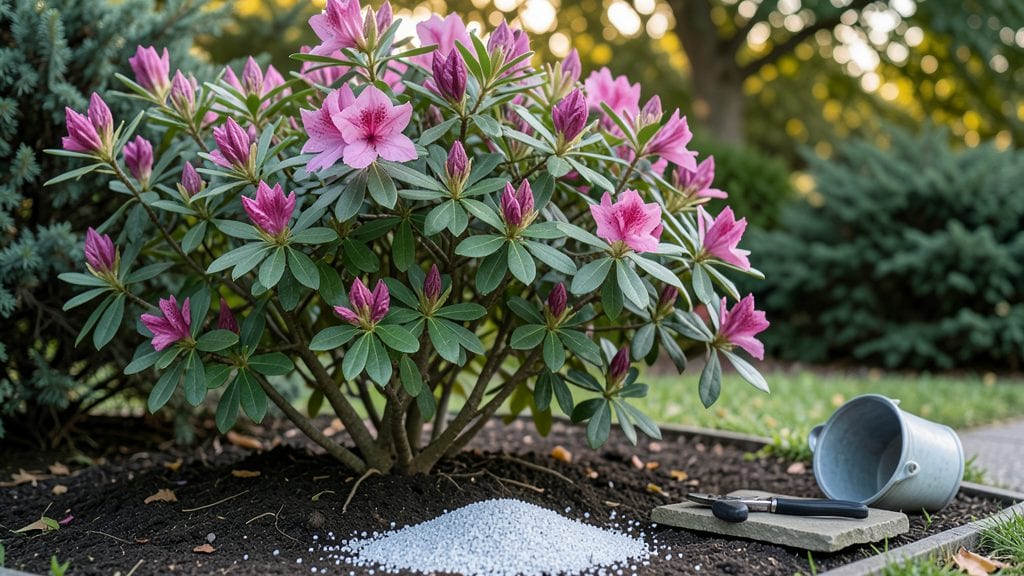
Aluminum sulfate gardening uses this compound primarily to lower soil pH and acidify alkaline soils, helping acid-loving plants like blueberries, azaleas, and hydrangeas thrive by improving nutrient availability and reducing toxic alkalinity levels.
Aluminum sulfate works by releasing aluminum ions and sulfuric acid when dissolved in water, creating a slow-release acidification effect. 💫 This chemical reaction breaks down alkaline compounds in the soil, making essential nutrients like phosphorus and iron more accessible to plants.
Many gardeners use it as a targeted soil amendment rather than a broad-spectrum fertilizer, especially when dealing with stubbornly high pH levels that conventional compost or organic matter can't correct.
What sets aluminum sulfate apart is its precision—it doesn't just lower pH temporarily like vinegar might, but provides a lasting adjustment that supports long-term plant health. However, it requires careful handling since overapplication can lead to aluminum toxicity in sensitive plants or soil microbes.
Always test your soil first and follow recommended rates to avoid unintended consequences.
💡 In This Article
- How Aluminum Sulfate Acidifies Soil Chemistry
- Best Practices for Applying Aluminum Sulfate Safely
How aluminum sulfate acidifies soil chemistry
When you sprinkle aluminum sulfate onto soil, it begins a chemical transformation that directly impacts your garden's foundation.
This compound dissociates in water to release aluminum ions (Al³⁺) and sulfuric acid (H₂SO₄), which immediately starts lowering the soil's pH. The sulfuric acid donates hydrogen ions (H⁺) to the soil solution, creating a more acidic environment.
Think of it like adding lemon juice to alkaline water—it neutralizes the excess alkalinity by shifting the balance toward acidity. 🔥
The magic happens at a molecular level where aluminum ions replace calcium and magnesium ions bound to soil particles.
This ion exchange process releases these alkaline minerals into the soil solution, further reducing pH. For every 1 pound of aluminum sulfate applied per 100 square feet, you can expect the soil pH to drop by approximately 0.5 to 1.0 units, depending on your starting pH and soil organic matter content.
The reaction continues gradually over weeks as water moves through the soil profile, creating a slow but steady acidification effect.
This chemical adjustment has dramatic effects on nutrient availability. In alkaline soils, essential nutrients like phosphorus (P) and iron (Fe) bind tightly to soil particles and become unavailable to plants.
When aluminum sulfate lowers pH to the 5.0-6.0 range (ideal for many acid-loving plants), these nutrients transform into more soluble forms that plant roots can easily absorb. You'll notice blueberries producing more vibrant fruit or hydrangeas developing deeper blue blooms as these nutrients become accessible. 💫
The process also affects soil microbial communities. While some beneficial microbes thrive in slightly acidic conditions, others become less active. Fungal populations often increase relative to bacteria when pH drops, which can be beneficial for plants that form mycorrhizal relationships.
However, excessive aluminum levels can become toxic to sensitive microbes and plant roots, which is why precise application rates are crucial. The key is achieving the right balance—enough acidification to unlock nutrients without creating aluminum toxicity.
What most gardeners don't realize is how this chemical reaction interacts with your soil's buffering capacity. Clay soils with high organic matter content resist pH changes more than sandy soils, meaning you'll need 2-3 times more aluminum sulfate in clay to achieve the same pH drop.
Testing your soil's buffering capacity before application helps determine the exact amount needed for your specific conditions. This precision is what makes aluminum sulfate more effective than organic amendments like pine needles or sulfur, which provide slower, less predictable acidification.
Consider this visual comparison: In a pH 8.0 soil (commonly alkaline), phosphorus availability is only about 10% of maximum. After applying aluminum sulfate to reach pH 6.0, that availability jumps to nearly 100%.
The same principle applies to iron, where deficiency symptoms like yellowing leaves (chlorosis) disappear as the nutrient becomes plant-accessible. This chemical transformation is why gardeners reach for aluminum sulfate when they need reliable, measurable acidification results. ✨
The long-term effects of this acidification extend beyond the current growing season. By creating the right pH environment, you're essentially setting up your soil to maintain better nutrient availability for years to come.
However, this works best in soils with adequate organic matter—without it, the pH effects may be short-lived as the soil naturally buffers back toward alkalinity. Think of aluminum sulfate as a precision tool rather than a cure-all solution in your gardening toolkit. 🌱