
Pests
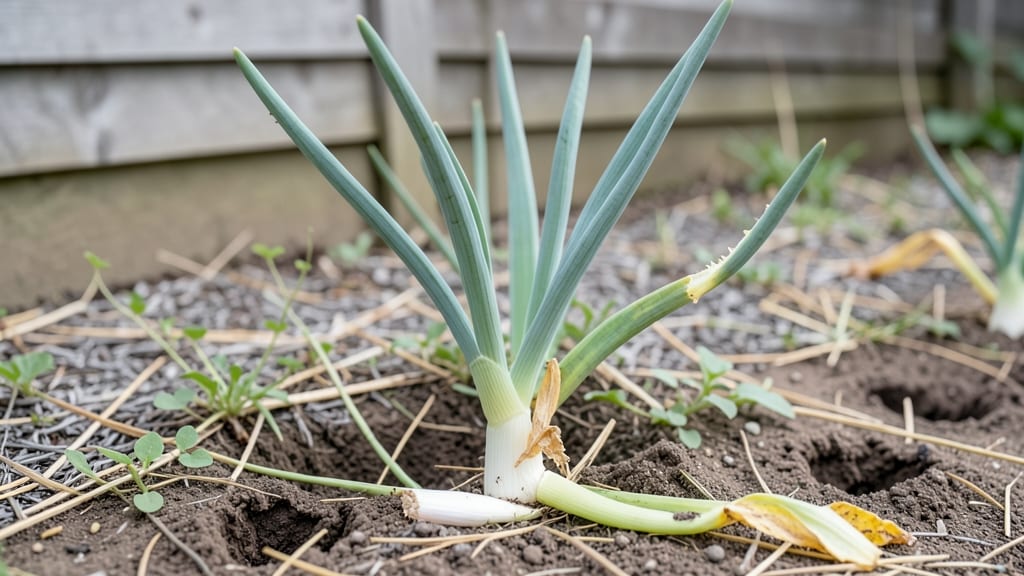
My garden’s secret rat visitors left tiny clues I almost missed—gnawed bulbs, scattered droppings, and fresh burrows near the compost pile. 🌱 These signs don’t just mean lost produce; they signal a full-blown invasion if ignored.
The key is catching them early, before they chew through irrigation lines or nest in your raised beds.
Rats leave telltale marks: quarter-sized droppings near food sources, shiny, greasy rub marks along fences, and burrows with fresh dirt mounds. You’ll also spot irregular holes in packaging or uneven plant damage—they don’t just eat fruit, they gnaw bark and dig up roots.
The sooner you spot these, the easier it is to outsmart them.
Prevention starts with removing food temptations—secure trash cans, clean up fallen fruit, and store pet food indoors. Seal gaps in sheds, decks, and foundation cracks with hardware cloth, and consider natural deterrents like peppermint oil or castor oil-based repellents.
These steps work for most cases, but if you’re dealing with a colony, it’s time to call in the pros.
Think of this as a three-step defense: spot the signs, eliminate access, and monitor for activity. With consistent effort, your garden stays rat-free—and your veggies stay safe. Let’s tackle this before they take over your harvest.
The Hidden Triggers Inviting Rats
Rats don’t just wander into gardens by accident—they’re drawn by a mix of food, shelter, and opportunity. Understanding why they’re there is the first step to stopping them before they nest, chew, or contaminate your space. Here’s what’s really luring them in:
Rats have an insatiable appetite and will travel up to 200 feet for food. Your garden likely offers more than you realize:
- Fallen Fruit & Veggie Waste Overripe tomatoes, dropped apples, or uneaten salad scraps left on the ground act like a 24/7 buffet. Rats have a keen sense of smell (up to 20 feet away) and will return nightly. Even compost piles—especially if they’re not properly sealed—can become rat hotspots.
- Pet Food & Birdseed Uneaten pet food left outdoors or spilled birdseed under feeders is a goldmine for rats. A single tablespoon of seed can attract them for weeks. Tip: Use metal or mesh feeders and clean up spills immediately.
- Garbage & Recycling Loose trash cans or compost bins without tight-fitting lids are open invitations. Rats can chew through plastic and will raid bins nightly. Pro move: Use bungee cords or rat-proof bins with locking lids.
- Crop Damage & Garden Debris Rats love tender young plants, bulbs (like tulips), and even stored seeds. A single gnawed carrot or squash can signal a rat presence. Warning: They’ll return to the same spot if food is available.
Rats need dark, cozy hiding spots—especially during the day. Your garden may unknowingly provide:
- Piles of Debris & Mulch Leaf litter, wood piles, or thick mulch layers create perfect nesting material. Rats shred paper, fabric, or even insulation from sheds to line their nests. Action step: Keep mulch 3–4 inches deep max and store firewood elevated and covered.
- Gaps in Structures Rats can squeeze through holes as small as a quarter (1 inch). Check for:
- Loose siding on sheds
- Gaps around pipes or vents
- Missing bricks in garden walls Fix it: Seal entry points with steel wool + caulk or hardware cloth.
- Underground Burrows If your garden has loose soil or compost heaps, rats may dig burrows. They prefer moist, shaded areas near food sources. Sign of a burrow: Small, volcano-shaped mounds of dirt near plants.
Rats are highly adaptive and their activity spikes during:
- Cooler Months (Fall/Winter) As temperatures drop, rats seek warmth and food indoors or in sheds. This is when they’re most likely to chew into structures for shelter.
- Drought Conditions Rats need water, and dry gardens force them to dig deeper or raid birdbaths. A shallow water source (like a saucer) can become a rat watering hole.
- After Heavy Rain Flooded gardens create muddy, easy-to-dig soil, making burrowing simpler. Rats also wash away scent trails, making them bolder in their searches.
Sometimes, our own actions make gardens rat magnets:
- Overwatering Lawns Excess moisture softens soil, making it easier for rats to dig. Solution: Water deeply but infrequently to keep soil firm.
- Ignoring Early Signs Droppings, gnaw marks, or strange smells (like ammonia) are red flags. Rats multiply fast—a single pair can produce 2,000 offspring in a year!
- Using Rodenticide Incorrectly If you’ve tried bait but rats keep coming back, they’ve likely learned to avoid it. Better approach: Use multiple traps (glue boards + snap traps) in hidden locations (along walls, near burrows).
Now that you know why rats are in your garden, the next step is how to remove them safely and prevent future visits. Stay tuned for actionable solutions!
Eliminate Rodents Before They Wreck Your Garden
Discovering rats in your garden is never fun—but the good news is, you can tackle the problem before they cause serious damage. The key is to address the issue based on the specific signs you’ve spotted (like gnawed plants, droppings, or burrows) and take action with targeted, practical solutions.
Below, we break down the best fixes for each common cause, plus prevention tips to keep your garden rodent-free for good.
If you’re finding half-eaten veggies, holes in fruit, or chewed stems, rats are likely feasting on your harvest. Here’s how to stop them:
🍳 Set Up Traps Strategically
- Snap traps (classic wooden or electronic) work best near active chew sites or along walls/fences where rats travel.
- Bait smartly: Use peanut butter, bacon, or dried fruit—rats can’t resist! Place a small dab on the trap trigger.
- Pro tip: 💡 Check traps daily (even if empty) to avoid spreading scent and alerting other rats.
👨🍳 Block Access with Physical Barriers
- Hardware cloth or wire mesh: Cover raised beds, compost bins, and garden openings with ¼-inch mesh (rats can squeeze through larger gaps!).
- Secure trash cans: Use bungee cords or locks to keep lids tight—rats love easy meals in overflowing bins.
- Pro tip: 🌡️ For strawberries or low-hanging crops, drape fine netting loosely over plants to deter climbers.
⏰ Use Natural Deterrents
- Peppermint oil: Soak cotton balls in peppermint oil and place them near entry points. Rats hate the scent!
- Predator urine: Sprinkle fox or coyote urine around the garden perimeter (available at garden centers).
- Pro tip: ✨ Reapply deterrents after rain—they wash away quickly.
If you’ve spotted tunnels, mounds of dirt, or nests made of shredded leaves, rats are nesting underground. Here’s how to evict them:
🏗️ Seal Entry Points
- Fill burrows: Pack holes with hardware cloth (not just dirt—rats will dig back in!) or use a rat-proofing foam designed for burrows.
- Check foundations: Seal gaps in sheds, decks, or fences with steel wool + caulk—rats can’t chew through it!
- Pro tip: 🎯 For large burrow systems, consider hiring a pest control pro to flush them out safely.
🌱 Remove Attractants
- Clear debris: Piles of leaves, wood, or rocks create hiding spots. Keep your garden tidy!
- Store firewood at least 20 feet away from your home and elevate it off the ground.
- Pro tip: 💡 If rats are nesting in compost, switch to a metal compost bin with a locking lid.
Once you’ve dealt with the current problem, take these steps to keep rats from returning:
🌿 Garden Maintenance
- Rotate crops to eliminate leftover seeds or fallen fruit that attract rats.
- Harvest promptly: Don’t leave overripe produce lying around—rats will sniff it out in minutes!
- Pro tip: 🔥 Plant rat-repelling herbs like rosemary, lavender, or sage near vulnerable areas.
🏠 Home & Yard Upgrades
- Install outdoor lights near entry points—rats prefer darkness.
- Keep pet food indoors (or use automatic feeders with tight lids).
- Pro tip: ✨ For long-term protection, consider a perimeter trap line (a loop of traps around your property) to catch strays before they enter.
📅 Year-Round Vigilance
- Inspect regularly: Check for new signs every 2–4 weeks, especially in fall/winter when rats seek shelter.
- Winter prep: Before cold weather, seal attics, basements, and crawl spaces—rats migrate indoors when food is scarce.
With these solutions, you’ll not only eliminate existing rat problems but also create a garden that’s far less inviting to future pests. Stay proactive, and your green space will stay rat-free—and thriving!
Frequently asked questions
What do rat droppings look like in my garden?
Rat droppings are dark brown or black, quarter-sized (about 3/4 inch long), and have a capped, spindle shape. You’ll often find them in clusters near food sources, along fence lines, or inside sheds. Mouse droppings are smaller (1/4 inch) and more oval-shaped.
How can I tell if rat damage is fresh?
Fresh rat damage has sharp, clean edges on chewed plants or packaging, while older damage appears irregular and frayed. Look for greasy rub marks (from their oily fur) along walls, fences, or garden structures—these are recent trails.
Are rats active during the day in my garden?
Rats are primarily nocturnal, but if you spot them during the day, it’s a red flag! This means they’ve likely established a nest nearby and feel safe. Daytime sightings often occur in fall/winter when food is scarce, or if they’ve taken over a sheltered area like a shed or compost pile.
Will cats or dogs keep rats out of my garden?
Pets can help, but they’re not foolproof. Cats may deter rats, but they often hunt near their own territory—leaving garden edges vulnerable. Dogs are less effective unless they’re trained to patrol. For real protection, combine pets with physical barriers (hardware cloth) and traps near high-risk areas.
How do I know if rats are nesting in my compost pile?
Check for shredded leaves or fabric lining the sides, small dirt mounds at the base, or uneven digging beneath the pile. If you hear scratching or rustling at night, that’s a sure sign. Switch to a metal compost bin with a locking lid to block access immediately.