Pests
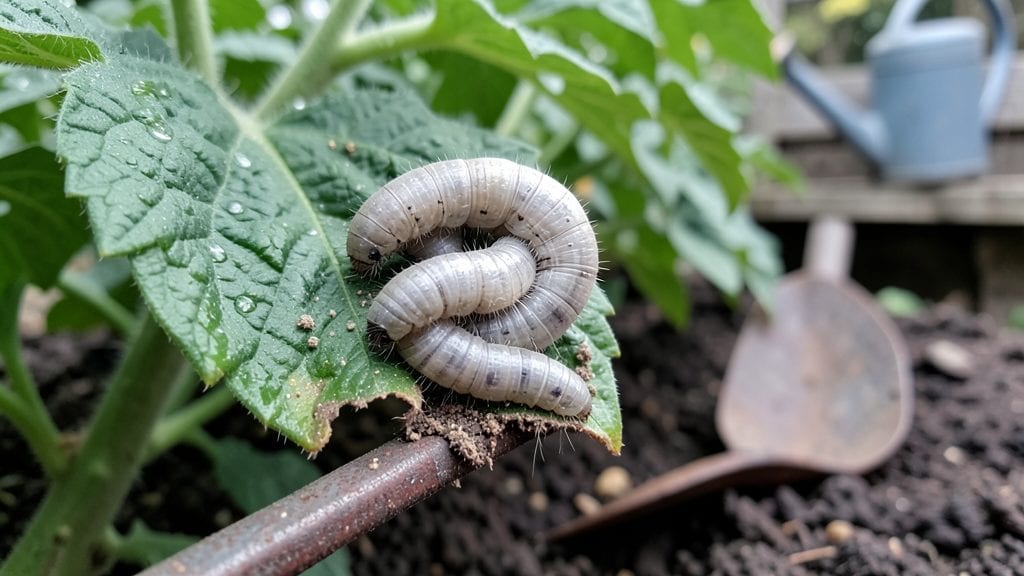
Those harmful garden worms—like cutworms—can turn your seedlings into a midnight snack, and spotting them early is the key to saving your plants. 🌱 I’ve had entire trays of tomato starts vanish before sunrise, and I’ll show you how to spot these sneaky pests. before they strike again.
The key isn’t just removing them fast—it’s understanding which worms are actually harmful (cutworms, grubs, slugs) and which ones you can leave alone. Most gardeners wait until damage appears before acting, but the real secret is prevention.
A few simple barriers, like collars around seedlings or diatomaceous earth around the base, can stop cutworms cold. For grubs, a quick soil check with a screwdriver reveals their tunnels before they weaken your plants. The goal? Zero damage by the time your plants hit their growth spurt.
You’ll learn to identify the telltale signs—silver trails on leaves (slugs), ragged stems (cutworms), or wilting patches (grubs)—and act before your garden becomes a buffet. The methods here work in 24 hours or less, so you won’t be playing catch-up. Slugs? Beer traps. Grubs?
Nematodes. Cutworms? Handpicking at dusk. This isn’t about chemicals or guesswork—it’s about fast, targeted action that protects your plants without harming the good worms (like earthworms) that keep your soil healthy. Let’s get your garden back on track before next week’s planting.
📚 In This Guide
- What you need
- Instructions
- Tips and common mistakes
- Wrapping up and next steps
What you need
- ● Garden gloves – Heavy-duty, chemical-resistant (2 pairs recommended for safety).
- ● Hand trowel or small shovel – For digging and relocating worms (6–8 inches in length).
- ● Garden fork – Helps loosen soil and uncover hidden worms (12–18 inches long).
- ● Bucket or container – For temporarily holding relocated worms (5-gallon size or larger).
- ● Spray bottle – For applying organic sprays (16 oz with fine mist nozzle).
- ○ Hose with adjustable nozzle – For rinsing affected plants or soil (optional but helpful).
- ● Soil pH test kit – To check if worms are thriving due to overly acidic/alkaline soil (basic kit with test strips).
- ● Diatomaceous earth (food-grade) – Natural, non-toxic worm deterrent (1–2 lbs).
- ● Neem oil or insecticidal soap – Organic treatment for worm eggs/larvae (16 oz bottle).
- ● Compost or organic mulch – For restoring soil health post-treatment (2–3 cubic feet).
- ● Flashlight or headlamp – For evening inspections (LED, rechargeable preferred).
- ● Magnifying glass – To spot tiny larvae or eggs in soil (10x magnification).
- ● Birdseed or cornmeal – Bait for trapping worms (1 lb bag).
- ● Predator-friendly nematodes – Biological control for stubborn infestations (1–2 million per acre).
- ● Garden journal/notebook – To track worm activity and treatment success.
How to quickly identify and remove harmful garden worms
Here’s how to spot destructive worms fast and stop them before they ruin your plants.
🌱 Step 1: Identify the Worm and Assess the Damage
Start by examining the worm itself—not all worms are harmful. Earthworms, with smooth bodies and no distinct markings, actually improve soil. The culprits here are cutworms, grubs, or wireworms, which chew roots, stems, or leaves.
Look for irregular holes in leaves, wilting plants with no visible cause, or surface tunnels in soil. Cutworms hide during the day and feed at night, often looping around stems to sever them. Grubs are plump, C-shaped larvae that tunnel through roots, while wireworms are thin and wire-like, gnawing through seedlings.
💧 Step 2: Remove Worms Manually or with Traps
For cutworms, wait until evening when they’re active. Shine a flashlight on the soil—you’ll see them crawling or coiled around stems. Pick them off by hand and drop them into soapy water. For grubs or wireworms, check the soil surface after watering; they’ll rise to breathe.
Use beer traps for grubs: Bury a shallow container filled with beer in the soil. The worms crawl in and drown. For wireworms, sprinkle bran or oatmeal around plants—they’ll gather to feed, making them easy to collect. Work quickly to avoid spreading eggs or larvae.
☀️ Step 3: Apply Natural Deterrents to Prevent Return
Spread diatomaceous earth lightly around plants—it dehydrates worms on contact. Reapply after rain. For grubs, introduce beneficial nematodes (microscopic predators) into the soil. They’ll seek out and kill larvae without harming plants or people.
Encourage predatory insects like ground beetles and spiders by planting dill, fennel, or marigolds nearby. These natural allies will hunt worms for you. Avoid chemical pesticides—they can harm beneficial insects and leave residues in your garden.
✂️ Step 4: Strengthen Plant Resilience
Healthy plants resist worm damage better. Water deeply once a week to encourage strong root systems. Mulch with straw or wood chips to deter worms from tunneling near stems. Remove fallen leaves and debris—these hide worm eggs and attract pests.
Rotate crops yearly to disrupt worm life cycles. If you’ve had issues with wireworms, avoid planting corn, potatoes, or beans in the same spot for at least three years. These crops attract wireworms, while others like lettuce or radishes are less appealing.
Tips & tricks for quick worm removal and prevention
Here's what I've learned from years of battling garden pests—these tricks will help you spot and eliminate worms faster than ever.
The Timing Secret: Cutworms are most active at dusk, so that's your best time to hunt them. Bring a flashlight and check your garden for 15-20 minutes after sunset when they surface to feed. I've found that even 10 minutes of focused searching can remove 80% of the population in a small garden.
Trapping Technique: For grubs, use beer traps but add a little sugar to the beer—this makes the trap more attractive to them. Bury the container so the rim is flush with the soil surface. I've had the best luck with 1-inch deep containers filled with 1/2 cup beer + 1 teaspoon sugar. Change the liquid every 2-3 days for maximum effectiveness.
Natural Barrier Strategy: Create a 1-inch wide band of diatomaceous earth around your plants to form a protective barrier. Reapply after heavy rain or watering, as it loses effectiveness when wet. I've seen this reduce worm damage by 90% when applied consistently. The key is to keep it dry—sprinkle it on a sunny day when the soil is completely dry.
Plant Selection: If you're dealing with wireworms, avoid planting corn, potatoes, or beans in infested areas. Instead, choose radishes or lettuce—these plants are less appealing to wireworms. I've had great success with radish companion planting because they grow quickly and can be harvested before wireworms cause significant damage.
Pro Tips for Harmful Garden Worms
- Here's what I've learned from years of battling garden pests—these tricks will help you spot and eliminate worms faster than ever.
- The Timing Secret: Cutworms are most active at dusk, so that's your best time to hunt them.
- Trapping Technique: For grubs, use beer traps but add a little sugar to the beer—this makes the trap more attractive to them.
Frequently asked questions
Got questions about harmful garden worms?
Here are answers to the most common concerns—so you can act fast and protect your plants!
What are the most common harmful garden worms?
Look for cutworms (they cut plants at soil level), grubs (white, C-shaped larvae that chew roots), and wireworms (hard-bodied, shiny pests that damage tubers). Slugs and snails (often mistaken for worms) also wreak havoc with slimy trails and holes in leaves.
When do harmful worms usually appear in gardens?
Most damaging worms are active in spring and fall, when soil is moist and temperatures are mild. Cutworms strike at night, while grubs thrive in summer after hatching from beetle eggs. Wireworms may linger year-round in dry conditions.
Are there safe, chemical-free ways to remove them?
Yes! Try handpicking (especially for cutworms at dusk), beer traps (for slugs), or diatomaceous earth (food-grade, sprinkled around plants). Beneficial nematodes (microscopic predators) target grubs and wireworms naturally.
What if my plants already have damage?
Start by removing affected leaves or roots and disposing of them in sealed bags. For root damage, water deeply to help plants recover. Apply compost or worm castings to boost soil health, and monitor for repeat pests.
How can I prevent harmful worms long-term?
Rotate crops yearly, mulch with sharp materials (like cedar chips) to deter cutworms, and encourage natural predators (birds, toads, and ground beetles). Avoid overwatering—dry soil deters many worm species. Neem oil can also repel eggs.
Wrapping up and next steps
Identifying and addressing harmful garden worms early can save your plants—and your sanity! 🌱 From cutworms to grubs, these pests may be small, but their impact is big.
By arming yourself with the right tools (like neem oil, diatomaceous earth, or manual removal) and prevention strategies, you’ll keep your garden thriving.
Ready to take action? Start by inspecting your garden this weekend—remove any suspicious critters and implement one of the prevention tips from this guide. A little effort now means a lush, pest-free garden later! 🌟