
Pests
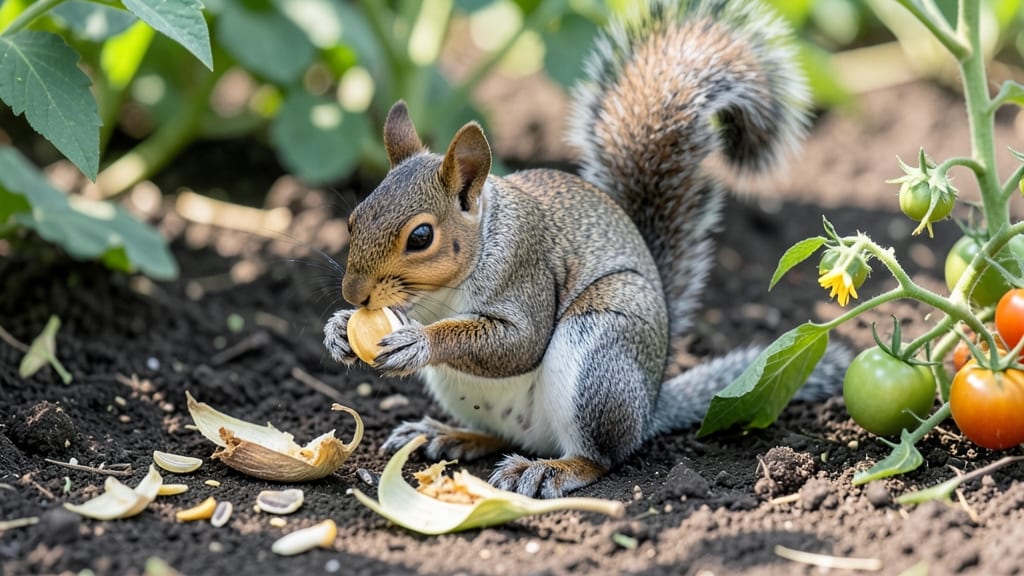
Squirrel damage in gardens turns your hard work into a buffet line. 🌱 I’ve watched these bushy-tailed thieves unearth tulip bulbs, strip tomato vines, and dig up freshly planted seeds—all in one night.
The frustration isn’t just the lost plants, but the chaos they leave behind: overturned soil, chewed stems, and half-buried treasures.
Most "solutions" fail because they’re either cruel or ineffective. Scare tactics like wind chimes or fake owls work for about a week, while poison risks harming pets and pollinators.
The real fix? A mix of physical barriers, smart repellents, and squirrel-proofing your garden’s weak spots—like securing compost piles and choosing plants they’ll ignore.
You’ll reclaim your garden without guilt. Imagine waking up to intact rows of carrots, unmolested bulbs, and no more midnight digging sounds.
The key is layering deterrents: repellents they dislike (like cayenne pepper spray), barriers they can’t chew (hardware cloth), and alternative food sources (like a dedicated squirrel feeder far from your veggies).
Works for vegetable patches, flower beds, and even prized perennials. Let’s stop the raid—and keep your garden thriving without the drama.
Root Causes Of Garden Raids
Squirrels don’t just wander into your garden out of mischief—they’re driven by survival instincts, environmental cues, and even learned behaviors. Understanding these motivations is the first step to protecting your plants and produce. Let’s break down the science behind why squirrels turn your garden into their personal buffet.
Squirrels are opportunistic omnivores, meaning they’ll eat almost anything—especially when natural food sources dwindle. Their behavior shifts dramatically based on seasonal availability:
- Nutrient-Seeking Behavior: Squirrels prioritize high-calorie, high-protein foods like: - Nuts and seeds (their evolutionary staple) - Fruits and vegetables (ripe tomatoes, corn, berries, and even bulbs) - Young shoots and tender leaves (packed with moisture and easy to digest) - Seasonal Shifts: - Spring/Summer: They target new growth (e.g., digging up tulip bulbs or nibbling lettuce). - Fall/Winter: They go on a nut-storing binge, burying (and forgetting) caches—often in your garden beds. - Urban vs. Wild: In cities or suburban areas, squirrels rely heavily on human-provided food (birdseed, pet food, or unsecured compost).
When these easy meals disappear, they raid gardens for alternatives.
💡 Pro Tip: If your neighborhood has overfeeding (e.g., leaving birdseed out year-round), squirrels learn that gardens = free meals. Cutting off these easy sources can reduce raids by up to 60%.
Squirrels aren’t just eating—they’re also building. Their nesting habits explain why they’re tearing up mulch, digging holes, or stripping bark:
- Dryer Nesting Material: In wet climates, squirrels seek out:
- Mulch piles (shredded bark or straw)
- Insulation from tree bark (chewing off strips from young trees)
- Buried seeds or bulbs (used as nesting fluff)
- Ground vs. Tree Nesting:
- Tree squirrels (e.g., gray squirrels) prefer leafy dreys but will raid gardens for nesting material.
- Ground squirrels (e.g., chipmunks or groundhogs) dig extensive burrow systems, often near garden edges, to store food and raise young.
- Territorial Marking: Squirrels scratch and gnaw to claim territory, especially during mating season (late winter/early spring).
⚠️ Warning: A single squirrel can move 20+ pounds of soil while digging a nest, uprooting plants in the process.
Squirrels are smart problem-solvers—they remember where food is and how to access it. If they’ve had success in your garden before, they’ll return:
- Trial-and-Error Memory: Studies show squirrels can recall thousands of food caches for years.
If they find your blueberries or squash delicious once, they’ll keep coming back. - Human Habits Matter: Leaving fallen fruit on the ground or not harvesting promptly sends the message: “This is an all-you-can-eat zone.” - Social Learning: Squirrels watch each other.
If one succeeds in raiding your garden, others will follow its lead within days.
🎯 Actionable Fix: Remove all fallen produce within 24 hours and harvest crops before they ripen to avoid attracting a squirrel scout.
Ironically, human landscaping often invites squirrel damage by creating the perfect squirrel ecosystem:
- Overgrown Brush Piles: Squirrels use dense vegetation as:
- Cover to approach gardens undetected.
- Highways to jump from tree to tree (or fence to garden).
- Lack of Natural Predators: In suburban areas, squirrels face fewer threats (e.g., owls or foxes), so they feel bolder about raiding.
- Water Sources: A birdbath or dripping hose can attract squirrels, who then explore nearby food sources.
🔥 Quick Fix: Trim back low-hanging branches and remove brush piles at least 10 feet from garden edges.
Extreme weather or population pressures can push squirrels into desperate (and destructive) behavior:
- Food Shortages: Droughts or late frosts reduce natural food supplies, forcing squirrels to seek alternatives in gardens.
- Overpopulation: In urban areas, squirrel populations can explode due to lack of predators, leading to competition for resources—and more garden raids.
- Mating Season Madness: During breeding season (Feb–April), males become aggressive and territorial, increasing damage as they fight for dominance.
🌡️ Climate Connection: In dry years, squirrels may dig deeper to reach buried moisture in bulbs or roots, causing more extensive damage.
| Cause | Squirrel Motivation | Seasonal Peak | Tell-Tale Signs |
|---|---|---|---|
| Food Scarcity | Seeking calories/nutrients | Spring–Fall | Chewed plants, empty seed pods |
| Nesting Needs | Gathering dry material | Fall–Winter | Mulch scattered, bark strips |
| Learned Behavior | Remembering past food sources | Year-round | Returning to “successful” spots |
| Habitat Encroachment | Using human-made cover | Always | Scratches near fences/brush piles |
| Weather Stress | Desperation due to shortages | Droughts/Late Frosts | Deep digging, aggressive raids |
Stop Squirrels in Their Tracks
Squirrels may be adorable, but their relentless digging, chewing, and snacking can turn your garden into a war zone. The good news? With the right strategies, you can humane yet effective solutions to protect your plants, flowers, and veggies.
Below, we’ve mapped out practical fixes based on the most common causes of squirrel damage—plus prevention tips to keep them away for good.
Squirrels love munching on tender shoots, bulbs (like tulips and daffodils), and young seedlings. Here’s how to outsmart their snacking habits:
🔥 Block Access with Physical Barriers
- 👨🍳 Plant Guards: Wrap young plants with wire mesh (¼-inch hardware cloth) or plastic tree guards to block chewing.
- 🥘 Mulch Smartly: Use gravel or coarse wood chips around bulbs instead of organic mulch—squirrels dig through soft soil.
- ⏰ Timing Matters: Plant bulbs after squirrel mating season (late summer/fall) when they’re less active.
💡 Pro Tip:
If squirrels are after spring bulbs, try planting them deeper (8–10 inches)—they’re less likely to dig that far.
Squirrels turn gardens into mini excavation sites, uprooting plants and disturbing soil. Stop the digging with these tricks:
🔪 Scatter Distractions
- 🌡️ Fake Food Sources: Bury unsalted peanuts in wire cages (squirrels can’t retrieve them) or use squirrel-proof bird feeders elsewhere in your yard.
- ✨ Motion-Activated Sprinklers: Devices like ScareCrow spray water when they sense movement—non-lethal and effective.
🎯 Secure Loose Soil
- 🔥 Add a Layer of Wire Mesh: Lay hardware cloth (¼-inch or smaller) over garden beds and secure with stakes—squirrels can’t dig through it.
- 💪 Plant Ground Covers: Dense plants like creeping thyme or clover make digging harder.
Squirrels love ripe fruits, veggies, and even stored seeds. Keep them from raiding your garden with these methods:
🍎 Cover Crops Strategically
- 👨🍳 Netting: Use fine mesh netting over berry bushes, fruit trees, and veggie patches.
- 🥘 Row Covers: Lightweight floating row covers work for lettuce, carrots, and peas.
🔥 Use Strong Scents as Deterrents
Squirrels hate certain smells—spray these around your garden:
- 🌡️ Hot Pepper Spray (mix cayenne + water + dish soap)
- ✨ Predator Urine (fox or coyote urine—available at garden stores)
- 💡 Commercial Repellents (like Bobcat’s Squirrel Repellent)
Once you’ve stopped the damage, keep squirrels from returning with these low-maintenance habits:
| Problem | Solution | Prevention Tip |
|---|---|---|
| Attracted by birdseed | Use squirrel-proof feeders | Place feeders far from trees |
| Digging near structures | Install chimney caps or vent covers | Seal gaps in sheds and decks |
| Chewing on wood | Apply metal flashing around posts | Avoid leaving firewood piles near gardens |
💡 Bonus Tip:
Squirrels are creatures of habit—if they find one successful food source, they’ll keep returning. Remove fallen fruit immediately and harvest crops promptly to avoid temptation.
- 🚫 Avoid traps or harm—humane solutions work better long-term.
- 🚫 Don’t rely on scare tactics alone (like fake owls)—squirrels get used to them fast.
- 🚫 Skip chemical repellents unless labeled for squirrels (some can harm plants).
By combining barriers, distractions, and smart planting, you can keep squirrels out of your garden without resorting to cruel methods. Test a few strategies, see what works best in your space, and enjoy a squirrel-free harvest! 🌿🐿️🚫
Frequently asked questions
What are the first signs squirrels are damaging my garden?
Look for dug-up soil, chewed stems, or half-eaten produce—especially around bulbs, young plants, and ripe fruits. You’ll also spot scattered mulch, shallow holes near garden edges, and missing seeds from seed packets. Check for claw marks on tree bark or fences too.
Can I use pepper spray to keep squirrels away?
Yes, but make it a hot pepper spray (mix cayenne pepper, water, and dish soap) and reapply after rain. Squirrels hate the strong scent, but avoid spraying directly on plants—it can harm them. Test a small area first to ensure safety for your garden.
Will hardware cloth work for protecting bulbs?
Lay a ¼-inch hardware cloth over bulb beds before planting, then cover with soil. For existing bulbs, dig down 8-10 inches and tuck them deeper—squirrels rarely dig that far. Combine this with gravel mulch to deter digging entirely.
Are there squirrel-resistant plants I can grow?
Yes! Opt for bitter-tasting herbs like rosemary, thyme, or mint, or tough-skinned veggies like kale or Brussels sprouts. Squirrels avoid plants with strong aromas (e.g., garlic, onions) or prickly textures. Just avoid tender greens like lettuce or peas—their favorites!
How do I stop squirrels from digging near my shed?
Seal gaps with metal flashing or hardware cloth, and remove brush piles nearby. Install a motion-activated sprinkler (like ScareCrow) to startle them. If they’re after stored seeds, transfer them to airtight metal containers squirrels can’t chew.