
Flowers
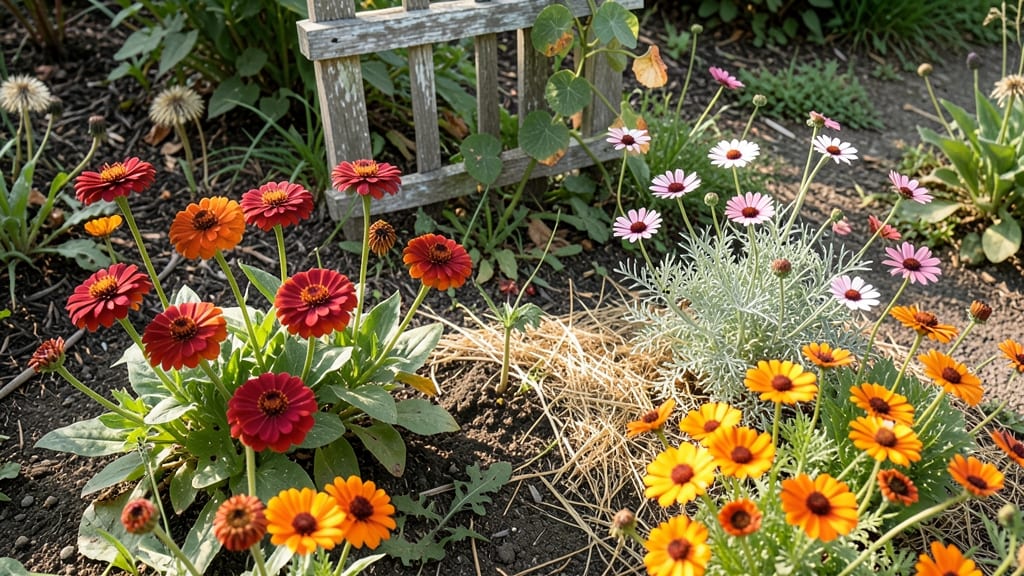
Creating a rainbow garden that bursts with color all year isn’t just possible—it’s easier than you’d think. 🌈 I’ve designed beds that feel like walking through a living watercolor painting, using flowers that bloom in sequence to keep the vibrancy going from spring through frost.
The secret lies in layering plants with overlapping bloom times and complementary foliage that ties everything together.
You don’t need a huge space—containers, borders, or even a single raised bed can work. Start with bold annuals like petunias and cosmos for instant pops of color, then add perennials like tulips, daffodils, and black-eyed Susans for structure and longevity.
Mix in foliage plants like heuchera or dusty miller for texture, and suddenly your garden becomes a rainbow that never fades.
What you’ll end up with is a garden that hums with life—bees, butterflies, and hummingbirds will flock to the nectar-rich blooms while your space feels like a vibrant, ever-changing masterpiece.
The best part? Low-maintenance plants mean less work and more time enjoying the show. Let’s make your garden the talk of the neighborhood.
This approach works for sun-drenched patios, shaded corners, or full sunflower fields—just adjust the plant palette to match your light conditions. Whether you’re starting fresh or refreshing an existing bed, the rainbow effect is entirely customizable. Ready to transform your outdoor space into a living rainbow?
📚 In This Guide
- What you need
- Instructions
- Tips and common mistakes
- Wrapping up and next steps
What you need
- ● Rainbow Garden Flowers: A mix of 12–20 varieties (3–5 plants per type) for full color coverage. Include: Sun-loving blooms: Black-eyed Susans, Coneflowers, Bee Balm (red/orange/yellow)
- ● Partial shade favorites: Impatiens, Columbine, Lobelia (pink/purple/blue)
- ● White/light blooms: Shasta Daisies, Zinnias, Sweet Alyssum (for contrast)
- ○ Native Wildflowers (optional but recommended): 5–10 seed packets (e.g., Milkweed, Goldenrod) to support local pollinators.
- ● Potting Soil: 2–3 cubic yards of high-quality, well-draining garden soil (or 10–15 bags of organic potting mix for containers).
- ● Compost: 1–2 bags (or homemade) to enrich soil and retain moisture.
- ● Gardening Gloves (1 pair, waterproof)
- ● Hand Trowel (for transplanting small plants)
- ● Garden Fork (for loosening soil in larger beds)
- ● Watering Can or Hose (with adjustable nozzle)
- ● Pruners (bypass pruners for clean cuts)
- ● Mulch (2–3 bags of shredded bark or straw to suppress weeds and retain moisture)
- ● Sunlight Assessment: Map your garden’s sunlight exposure (full sun ≥6 hrs/day, partial shade 3–6 hrs, or full shade <3 hrs).
- ● Water Source: Access to a hose or drip irrigation system for consistent watering.
- ● Pollinator-Friendly Location: Choose a spot near water sources (but not soggy) to attract bees, butterflies, and hummingbirds.
How to design a rainbow garden flower bed that thrives year-round
Here's how to create a vibrant, pollinator-friendly flower bed that bursts with color from spring through fall.
🌱 Step 1: Plan Your Color Palette and Plant Placement
Start by sketching a simple layout on paper, dividing your space into three layers: tall back row, mid-height middle, and low-growing front. I like to use tall snapdragons (6-12 inches) and delphiniums (2-4 feet) as backdrops, while pansies (6-8 inches) and calendulas (12-18 inches) fill the middle. For the front edge, violas (4-6 inches) and sweet alyssum (3-6 inches) spill over the borders beautifully.
Place bold colors like red and purple together to create visual impact, then balance them with soft whites and yellows. Remember, taller flowers need the most sun, while shorter varieties can handle partial shade. I always position my sun-loving black-eyed Susans toward the center where they get 6+ hours of sunlight daily.
🪴 Step 2: Prepare the Soil and Plant Your Flowers
Remove any weeds or grass from your chosen area, then loosen the soil to a depth of 12 inches using a garden fork. Mix in 2-3 inches of compost to improve drainage and fertility. For containers, use a high-quality potting mix that drains well—never garden soil, as it compacts too easily.
Dig holes for each plant that are twice as wide as the root ball but only as deep. Gently remove plants from their nursery pots and place them in the holes, filling around the roots with soil. Press lightly to eliminate air pockets, then water deeply to settle everything. I always plant in the late afternoon when temperatures are cooler to reduce transplant shock.
☀️ Step 3: Water and Mulch for Year-Round Success
Water newly planted flowers 1-2 inches per week, keeping the soil consistently moist but never soggy. The first few weeks are critical—you'll know you're doing it right when the soil feels damp 1-2 inches below the surface. Use a rain gauge or tuna can to measure water depth accurately.
Spread 2-3 inches of mulch around each plant, keeping it 2 inches away from stems to prevent rot. I prefer shredded bark or straw because they break down slowly and improve soil structure over time. Mulch helps retain moisture, suppresses weeds, and protects roots from extreme temperatures.
✂️ Step 4: Maintain with Pruning and Seasonal Care
Deadhead spent blooms regularly to encourage continuous flowering. I check my rainbow garden every 3-4 days during peak bloom season and snip off faded flowers with clean pruners. This simple step keeps your garden looking fresh and extends the blooming period by 3-4 weeks.
In early fall, cut back perennials like coneflowers and black-eyed Susans by one-third to promote bushier growth next season. Add a slow-release fertilizer in late summer to give plants a nutrient boost for winter. Most annuals will die back naturally, so I remove them in late fall and replace them with cool-season varieties like pansies and snapdragons.
🌿 Step 5: Attract Pollinators All Season Long
Plant a mix of flowers that bloom at different times to provide continuous nectar. I include early spring bloomers like crocuses, summer favorites such as zinnias, and fall-blooming asters in my rainbow garden. This ensures bees, butterflies, and hummingbirds always have food available.
Add a small water source like a shallow dish with pebbles or a birdbath for pollinators to drink from. Place it near—but not in—the flower bed so insects can easily access both water and nectar. I've seen monarch butterflies lay eggs on my milkweed plants within 2 weeks of adding this simple feature.
Tips & tricks for perfect rainbow garden flowers
Creating a vibrant rainbow garden isn't just about planting—it's about the little details that make all the difference. Here are my go-to strategies for a garden that thrives all year.
The Color Layering Secret: In Step 1, when planning your three-layer design, I recommend adding a fourth "hidden" layer of low-growing ground covers like creeping thyme or ajuga (optional) between the front edge and main plants. This creates a lush carpet that ties everything together while preventing weeds. The key is to place taller flowers toward the back and gradually decrease height toward the front—this creates depth and prevents smaller plants from being overwhelmed.
Soil Prep Game-Changer: Before loosening your soil in Step 2, sprinkle a handful of granular sulfur (optional) if your garden has alkaline soil—this helps acid-loving plants like azaleas and blueberries thrive. For containers, mix in perlite or vermiculite (about 10% of your potting mix) to improve aeration. I also recommend testing your soil pH before planting—most garden centers offer free tests. The right pH makes all the difference for flower health.
Watering Wisdom: During Step 3, when watering your 1-2 inches per week, I've found that morning watering (between 6-10 AM) is far more effective than evening watering. This gives plants time to dry out during the day, reducing fungal diseases. For containers, I water until it drains completely from the bottom—this ensures roots get enough moisture without becoming waterlogged. A simple tuna can makes checking water depth a breeze!
Pollinator Power-Up: For Step 5, consider adding a few native milkweed plants (optional) if you want to attract monarch butterflies. I've seen caterpillars appear within days of planting! Also, avoid pesticides completely—even "organic" sprays can harm pollinators. A small water feature with pebbles (as mentioned) works wonders, but I've had even better success with a shallow dish filled with marbles—it creates perfect landing spots for tiny insects.
Pro Tips for Rainbow Garden Flowers
- Creating a vibrant rainbow garden isn't just about planting—it's about the little details that make all the difference.
- This creates a lush carpet that ties everything together while preventing weeds.
- Soil Prep Game-Changer: Before loosening your soil in Step 2, sprinkle a handful of granular sulfur (optional) if your garden has alkaline soil—this helps acid-loving plants like azaleas and blueberries thrive.
Frequently asked questions
What’s the easiest way to start a rainbow garden on a budget?
Begin with perennial favorites like coneflowers, black-eyed Susans, and daylilies—they’re affordable, hardy, and thrive in most climates. Swap seeds for cuttings or divide existing plants from neighbors or local nurseries. Even dollar-store pots can sprout colorful blooms!
How long does it take for a rainbow garden to look full and colorful?
Patience pays off! Annuals (like zinnias or marigolds) burst into color in 6–8 weeks, while perennials may take 1–2 seasons to fully establish. Plan for staggered planting: Start with fast-growing annuals, then add perennials for long-term vibrancy.
Which rainbow flowers attract the most pollinators?
Prioritize native species like bee balm, milkweed (for monarchs), and lavender. Bright hues (purples, blues, yellows) are pollinator magnets. Avoid double-flowered varieties—they often lack pollen. Pro tip: Cluster plants in groups (3+ of each) to make them easier for bees and butterflies to find!
Can I grow rainbow flowers in containers or small spaces?
Opt for compact varieties like pansies, petunias, or dwarf sunflowers. Use hanging baskets, window boxes, or tall pots (12"+ depth) for vertical gardens. Just ensure containers have drainage holes and mix in organic compost for nutrient-rich soil.
How do I keep my rainbow garden blooming all year?
Layer plants by bloom season: Pair spring bulbs (tulips, daffodils) with summer annuals (cosmos) and fall/winter perennials (heuchera, hellebores). In warm climates, add evergreen foliage (like ornamental grasses) for structure. Mulch heavily in winter to protect roots.
What’s the best natural pest control for rainbow gardens?
Encourage beneficial insects like ladybugs and lacewings—they devour aphids and pests! Plant marigolds or basil nearby (their scent repels many bugs). Avoid chemical sprays; instead, blast water off leaves or handpick larger pests. Healthy soil = resilient plants!
Wrapping up and next steps
A rainbow garden isn’t just a dream—it’s a vibrant, pollinator-friendly reality waiting to bloom in your space! 🌈 By blending annuals, perennials, and native species, you’ve created a year-round haven that delights the eyes and supports bees, butterflies, and hummingbirds.
Whether you’re a seasoned gardener or just starting, every colorful petal contributes to a healthier ecosystem.
Ready to take the next step? Start small—add a single pollinator-friendly plant to an existing bed or dedicate a corner to bold blooms. Share your progress or ask questions in gardening communities; inspiration grows when we connect! 🌱