
Companion Plants
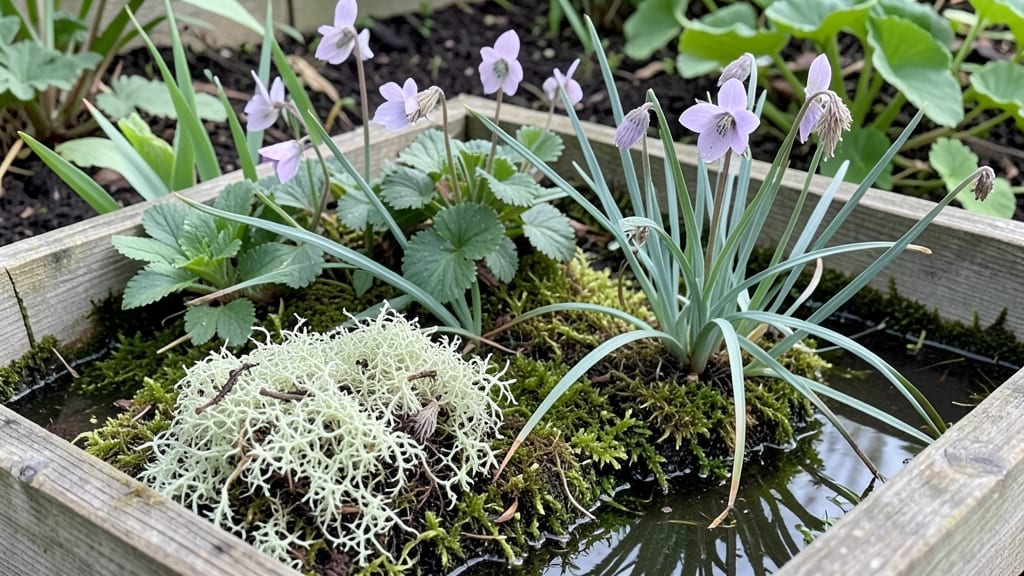
Boggy garden plants don't have to be a gardener's nightmare—some thrive where others drown. ✨ I've turned my soggy corner into a year-round green oasis by choosing the right perennials, and the secret isn't complicated: pick plants that love wet feet.
The right species turn standing water into an advantage, not a problem.
Native plants like cattails, pickerelweed, and swamp milkweed are the obvious winners, but don't overlook non-natives like iris or trollius that handle moisture beautifully. The key is matching plants to your soil's moisture level—some prefer permanently wet conditions, while others just need occasional sogginess.
A simple soil test tells you whether you need to amend drainage or embrace the wetness entirely.
You'll end up with a garden that stays lush when others wilt, complete with striking foliage and seasonal blooms that attract pollinators. The maintenance is minimal—just occasional trimming and the occasional check for invasive species—but the payoff is dramatic. That once-troubled patch becomes the envy of the neighborhood.
Works for rain gardens, low-lying areas, or any spot where water pools after heavy rain. Here's how to pick the perfect plants and keep them thriving—no mucky mess required.
📚 In This Guide
- What you need
- Instructions
- Tips and common mistakes
- Wrapping up and next steps
What you need
- ● Boggy garden plants: 5–10 perennials (e.g., Carex spp., Iris pseudacorus, Gunnera manicata, Mentha aquatica, or Sagittaria spp.). Choose based on your zone and sunlight.
- ● Well-draining soil amendments: Peat moss or coconut coir (5–10 cubic feet)
- ● Compost (2–3 cubic feet)
- ● Sand or perlite (1–2 cubic feet, for aeration)
- ● Water management tools: French drains or gravel trenches (if excess water is severe)
- ● Drainage pipes (4-inch diameter, 5–10 feet long)
- ● Basic gardening tools: Trowel or hand shovel
- ● Garden fork (for amending soil)
- ● Pruners (for trimming dead foliage)
- ● Mulch: Pine bark or wood chips (3–5 cubic feet, to retain moisture and suppress weeds).
- ● Water features: Small pond, bog garden kit, or rain garden liner (for a polished look).
- ● Fertilizer: Slow-release organic fertilizer (e.g., fish emulsion or compost tea, 1–2 gallons).
- ● Decorative stones: Smooth river rocks or pebbles (for aesthetics and drainage).
- ● pH testing kit: To ensure soil is slightly acidic (5.0–7.0, ideal for most bog plants).
- ● Garden gloves & knee pads: For comfort during planting!
Step-by-Step guide for designing a thriving bog garden
Here’s how to transform soggy soil into a vibrant, low-maintenance wetland oasis that thrives year-round.
🌱 Step 1: Test and Amend the Soil
First, confirm your soil is truly boggy by digging a 6-inch deep hole and filling it with water. If it takes more than 4 hours to drain, you’ve got the perfect conditions. Bog plants need consistently moist to saturated soil, so no amendments are needed—just embrace the wetness.
If your area floods seasonally, dig a 12-inch deep trench around the planting zone to slow drainage. Line it with landscape fabric to prevent soil from washing in. For extra insurance, add a 2-inch layer of coarse sand at the bottom to improve drainage slightly while keeping the overall wet environment.
🌿 Step 2: Select and Plant Wetland Perennials
Choose plants that naturally thrive in saturated conditions, like cattails, marsh marigolds, or sweet flag. Dig holes twice as wide as the root ball but only as deep as the container. Gently remove plants from pots and loosen roots if they’re circling—bog plants hate compacted soil.
Space plants 18-24 inches apart to allow for their mature spread. Press the surrounding soil firmly to eliminate air pockets, then water deeply to settle everything. Avoid fertilizing—bog plants prefer nutrient-poor, acidic soil. Mulch with 2 inches of shredded bark or leaves to retain moisture and suppress weeds.
☀️ Step 3: Manage Water and Light
Bog gardens need partial to full sun, but avoid deep shade—most wetland plants still require 4-6 hours of sunlight daily. If your site is heavily shaded, opt for moisture-loving ferns or inland sea oats, which tolerate lower light.
Top up water levels after heavy rain or drought to maintain saturation. A simple rain gauge or floating marker in a nearby container helps track moisture. In hot climates, add a 1-inch layer of pebbles around plants to reduce evaporation while keeping roots cool.
✂️ Step 4: Prune and Maintain Seasonally
In early spring, trim dead foliage but leave last year’s stems—many bog plants, like cattails, rely on them for winter interest. Cut back only what’s clearly brown or damaged. Avoid heavy pruning in fall, as it removes insulation for winter.
Divide crowded perennials every 3-4 years in early spring. Dig up clumps, separate roots with a knife, and replant sections. This keeps plants vigorous and prevents overcrowding. Fertilizer is rarely needed—bog plants thrive in lean conditions, so resist the urge to feed them.
⏰ Step 5: Winterize for Year-Round Beauty
Most bog plants handle frost well, but add a 2-inch layer of straw mulch in late fall to protect shallow roots. Evergreens like swamp azalea benefit from a light dusting of snow to shield foliage from drying winds.
Leave standing water in place—it insulates roots and prevents freeze-thaw cycles that damage soil structure. If your bog freezes solid, don’t worry; thawing will naturally restore moisture levels. Just avoid walking on frozen surfaces to prevent soil compaction.
Tips & tricks for perfect bog garden planting
A few key insights will help you create a thriving wetland garden that stays lush season after season.
The Drainage Test: That 4-hour water retention test in Step 1 is your golden rule for bog conditions. If water drains faster, you can create a bog by digging a shallow basin and filling it with rainwater. For areas with faster drainage, consider installing a small solar-powered water pump to maintain saturation—it’s a game-changer for dry spells.
Plant Placement Strategy: In Step 2, when spacing plants 18-24 inches apart, place taller species like cattails toward the center of your bog garden. This creates natural shade for shorter plants at the edges, mimicking the layered look of wild wetlands. I’ve found this arrangement also makes maintenance easier—you can reach all plants without stepping into the water.
Light Management: The 4-6 hours of sunlight in Step 3 is a flexible guideline rather than a strict rule. In my experience, plants like marsh marigolds actually prefer morning sun and afternoon shade in hot climates. If your garden gets intense afternoon sun, consider adding a 30% shade cloth during peak hours to protect delicate foliage while still allowing enough light for photosynthesis.
Winter Protection: That 2-inch straw mulch in Step 5 works wonders, but for extra insulation in colder climates, I recommend adding a layer of evergreen boughs on top of the straw. The boughs provide additional wind protection while allowing water to penetrate. Just be sure to remove them in early spring before new growth emerges.
Pro Tips for Boggy Garden Plants
- A few key insights will help you create a thriving wetland garden that stays lush season after season.
- The Drainage Test: That 4-hour water retention test in Step 1 is your golden rule for bog conditions.
- Plant Placement Strategy: In Step 2, when spacing plants 18-24 inches apart, place taller species like cattails toward the center of your bog garden.
Frequently asked questions
Got questions about keeping your garden lush in soggy soil? You’re not alone! Here are the most common queries—and expert answers—to help you grow thriving boggy garden plants with confidence.
What are the best boggy garden plants for full sun exposure?
If your soggy spot gets plenty of sunlight, opt for hardy perennials like Cattails (Typha), Purple Loosestrife (Lythrum salicaria), or Soft Rush (Juncus effusus). These thrive in wet conditions and bright light, adding texture and color to your garden. Just ensure they have 6+ hours of direct sun daily.
Can I plant boggy garden plants in containers instead of the ground?
Use large, deep containers with drainage holes and fill them with a mix of peat moss, perlite, and compost to mimic wet soil. Great container-friendly picks include Swamp Milkweed (Asclepias incarnata) or Marsh Marigold (Caltha palustris). Just keep the soil consistently moist—never let it dry out.
How long does it take for boggy garden plants to establish?
Most wet-loving perennials take 1–2 growing seasons to fully establish, though some like Cattails or Sweet Flag (Acorus calamus) may spread quickly in the first year. Focus on regular watering in dry spells and mulching to retain moisture until roots stabilize.
Are boggy garden plants prone to pests or diseases?
While wet soil can deter some pests, slugs and snails may still target tender new growth. Use organic slug bait or copper barriers to protect seedlings. Fungal issues (like powdery mildew) are rare but can occur if airflow is poor—space plants 12–18 inches apart to prevent problems.
What if my boggy area freezes in winter?
Don’t worry—most wetland plants are cold-hardy! Hardy options like Blue Flag Iris (Iris versicolor) or Pickerelweed (Pontederia cordata) survive winter dormancy. In extreme climates, add a thick layer of mulch (3–4 inches) to insulate roots and retain moisture.
Still stumped? Drop your question below—we’re happy to help your soggy garden shine!
Wrapping up and next steps
Transforming your soggy garden into a vibrant oasis is easier than you think! 🌿 With the right boggy garden plants, you can enjoy lush greenery year-round while improving drainage and biodiversity.
Whether you’re tackling a low-lying area or a perpetually damp patch, these perennials offer beauty and resilience—no green thumb required.
Ready to take the next step? Start small—pick one or two plants from our list, prep your soil with organic matter, and watch your garden thrive! Need inspiration? Sketch a simple layout or snap photos of your space to plan your dream wetland garden. Happy planting! 🌱