
Vegetables
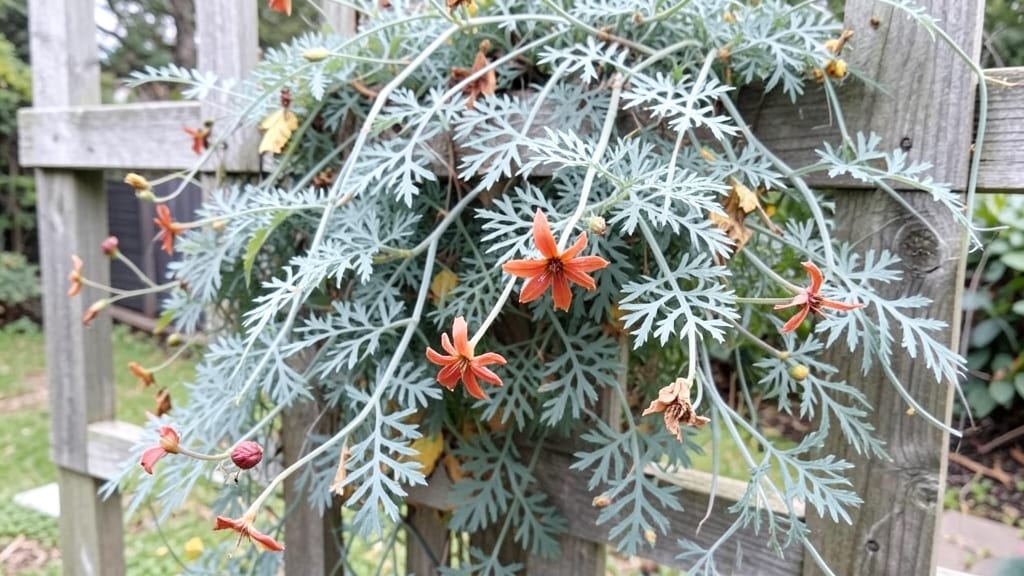
Singapore’s airport gardens prove you don’t need acres to create a lush, vibrant space. ✨ The Canopy Park at Changi Airport blends native tropical plants with clever vertical designs, turning concrete into a thriving green escape—all while handling heavy foot traffic.
What stands out most is how they maximize every inch: cascading vines, layered shrubs, and even hidden water features that feel like a jungle retreat.
Here’s the secret: prioritize plants that thrive in your climate and light conditions, then use vertical space—think trellises, wall-mounted planters, or hanging baskets—to add layers. Singapore’s gardens rely on drought-tolerant species that still burst with color, cutting back on maintenance while keeping the space lush.
Even a small balcony can mimic this with the right plant choices and smart layouts.
You’ll end up with a garden that feels like a tropical hideaway, even in urban settings. The key is mixing textures—velvety ferns with glossy leaves, fragrant blooms with spiky grasses—and keeping pathways narrow to preserve greenery.
Start with a single vertical planter or a small wall garden, then expand as you see what works best for your space.
Perfect for city dwellers, apartment balconies, or even office lobbies—these ideas scale down effortlessly. The beauty of Singapore’s approach? It’s all about working with your space, not against it. Let’s bring that same energy to your own little corner of green.
📚 In This Guide
- What you need
- Instructions
- Tips and common mistakes
- Wrapping up and next steps
What you need
- ● Compact, fast-growing vegetables: Leafy greens (e.g., baby bok choy, Chinese kale, lettuce), herbs (basil, mint, thyme), and dwarf varieties like Singapore’s "Chye Sim" chili (3–5 plants).
- ● Soilless growing medium: 5–10 gallons of coco coir or peat-free potting mix (lightweight for small spaces).
- ● Containers: 2–4 10–12" self-watering pots (fabric or ceramic) or vertical hydroponic towers (for wall-mounted setups).
- ● Drainage: Small gravel or hydroponic pebbles (1–2 cups per pot).
- ● Hand trowel (for transplanting seedlings).
- ● Spray bottle (for gentle watering).
- ● pH test kit (to keep soil/water at 5.5–6.5).
- ○ Optional: LED grow lights (for indoor setups, 12–16 hrs/day).
- ● Sunlight access: At least 4–6 hours of direct sun (south-facing windows or balcony work best).
- ● Watering schedule: Daily misting for seedlings; every 2–3 days for mature plants (adjust for humidity).
- ● Fertilizer: Balanced liquid fertilizer (e.g., 10-10-10 NPK, diluted weekly).
- ● Space-saving hack: Stackable planters or hanging pockets to maximize vertical growth!
How to create a compact urban oasis like Singapore airport gardens
Singapore’s airport gardens prove that lush greenery thrives even in tight spaces. Here’s how to bring that same concept home.
🌱 Step 1: Choose the Right Containers and Layout
Start with stackable planters or vertical wall pockets to maximize space without sacrificing aesthetics. I like using 12-inch deep containers for shrubs and 6-inch pots for smaller plants like ferns or succulents. Arrange them in clusters—this mimics the layered look of Singapore’s gardens, where each plant has its own designated spot.
Place taller plants at the back or center of each cluster, then fill in with mid-height and trailing varieties. For example, a 6-foot tall ornamental grass at the back with 3-foot shrubs in front creates depth instantly. Avoid overcrowding—each plant should have at least 3-4 inches of space to breathe and grow.
🌿 Step 2: Select Drought-Tolerant and Compact Varieties
Singapore’s gardens thrive with low-maintenance, compact plants that don’t outgrow their spaces. Opt for dwarf varieties of favorites like bougainvillea, hibiscus, or ferns—they stay manageable while still adding texture. I also include succulents and air plants in the mix; they require minimal water and add modern contrast.
Check plant tags for mature size—this is the key to avoiding future pruning headaches. For example, a dwarf gardenia might stay under 3 feet tall, while a regular one could reach 8 feet. Group plants with similar water needs together to simplify care. If you’re unsure, start with 1-2 plants per pot and expand as you learn their habits.
☀️ Step 3: Optimize Light and Water for Small Spaces
Most urban gardens get partial shade, so choose plants that tolerate 4-6 hours of indirect light daily. Place containers near south-facing windows or under shade sails to mimic Singapore’s filtered sunlight. If your space is darker, opt for shade-loving plants like pothos, calatheas, or peace lilies—they’ll still thrive with bright, indirect light.
Water deeply but infrequently—once a week is often enough if you’re using well-draining potting mix. Let the top 1 inch of soil dry out between waterings to prevent root rot. I use self-watering planters for larger containers to keep moisture consistent without overwatering. Mulch the soil surface with 1 inch of organic mulch to retain moisture and suppress weeds.
✂️ Step 4: Prune and Maintain for Year-Round Appeal
Singapore’s gardens stay vibrant with regular pruning—trim back leggy growth or overgrown branches in early spring to encourage bushier, fuller shapes. Use clean, sharp pruners to make cuts just above a leaf node or bud. For flowering plants, deadhead spent blooms weekly to redirect energy into new growth. This keeps your garden looking fresh without overwhelming maintenance.
Fertilize lightly every 6-8 weeks with a balanced, water-soluble fertilizer to support steady growth. Avoid heavy-handed feeding—Singapore’s gardens rely on slow-release nutrients rather than frequent boosts. Rotate plants quarter-turn weekly to ensure even growth toward light sources. This simple habit prevents lopsided, weak stems.
🪴 Step 5: Add Functional and Decorative Touches
Incorporate small seating nooks, vertical trellises, or hanging baskets to blend beauty with usability. I add solar-powered lights along pathways or at the base of planters for evening ambiance. Even a single statement piece, like a sculptural planter or a mosaic tile, elevates the space. Think of Singapore’s gardens—they’re not just plants; they’re carefully curated experiences.
Finally, add sensory elements like fragrant herbs (mint, lavender) or textured foliage (monstera, snake plant) to engage multiple senses. The goal is a space that feels inviting and alive, even in a small footprint. With these steps, your urban oasis will thrive just like Singapore’s airport gardens—compact, lush, and full of life.
Tips & tricks for perfect Singapore airport gardens
Creating a lush urban oasis in limited space takes a few strategic moves—here's what I've learned from studying Singapore's airport gardens.
Container Layering: In Step 1, when arranging your 12-inch deep containers, place the tallest plants like ornamental grasses at the back center to create a natural focal point. This mimics how Singapore's gardens use height variation for visual interest. For smaller 6-inch pots, use trailing plants like ferns at the edges to soften the look and prevent sharp lines. I've found that adding a 2-3 inch difference in plant heights between layers creates that signature layered effect.
Plant Spacing Secrets: The 3-4 inches of space between plants in Step 1 might seem generous, but it's crucial for airflow and preventing disease. I've seen too many small-space gardens suffer from crowded plants that develop fungal issues. For compact varieties like dwarf gardenias, you can reduce spacing slightly to 2-3 inches, but never less—roots need room to breathe. Pro tip: Use a ruler to mark spacing on your containers before planting to ensure consistency.
Light Optimization: When working with Step 3's 4-6 hours of indirect light requirement, consider adding a small adjustable mirror near your south-facing window. This can double your effective light exposure by reflecting sunlight onto darker corners. For shade-loving plants like pothos, I've had success placing them near windows with sheer curtains that diffuse light while still providing brightness.
Pruning Timing: The early spring pruning in Step 4 is perfect for encouraging new growth before summer heat arrives. I've found that pruning just as buds begin to swell (not when they're fully open) gives you the most vibrant regrowth. For flowering plants, deadheading weekly might seem tedious, but it keeps your bougainvillea or hibiscus producing blooms for months instead of just a few weeks. Think of it as giving your plants a little "haircut" to keep them looking their best.
Pro Tips for Singapore Airport Gardens
- Creating a lush urban oasis in limited space takes a few strategic moves—here's what I've learned from studying Singapore's airport gardens.
- Container Layering: In Step 1, when arranging your 12-inch deep containers, place the tallest plants like ornamental grasses at the back center to create a natural focal point.
- Plant Spacing Secrets: The 3-4 inches of space between plants in Step 1 might seem generous, but it's crucial for airflow and preventing disease.
Frequently asked questions
Got questions about Singapore Airport Gardens? Here are some answers to help you plan your visit to this urban green escape!
What are the opening hours for Singapore Airport Gardens?
The gardens are open daily from 6:00 AM to 12:00 AM, making them accessible for early risers, night owls, or anyone catching a flight. Since they’re located within Changi Airport, they’re conveniently open 24/7 for travelers passing through—but the lush gardens are best enjoyed during daylight hours for full appreciation of the greenery.
Do I need a ticket to enter Singapore Airport Gardens?
No ticket is required! The gardens are free to enter for all visitors, whether you’re transiting, arriving, or departing. Just follow the signs from Terminals 1, 2, or 3—no extra fees or reservations needed. Perfect for budget-conscious travelers or spontaneous nature lovers!
Are there guided tours or educational programs available?
While there aren’t structured guided tours, the gardens feature informational plaques explaining the plant species, sustainability features, and design concepts. For deeper insights, check Changi Airport’s official website or ask staff at the visitor center—they often share fun facts about the gardens’ eco-friendly designs!
How do I get to Singapore Airport Gardens from the terminals?
From Terminal 1, take the free SkyTrain to Terminal 2, then exit and follow signs to the Jetty 122 area. From Terminal 2, walk toward the Jetty Bridge (5–10 mins). For Terminal 3, take the SkyTrain to Terminal 1, then follow the same route. Pro tip: Use the Changi Airport app for real-time directions!
What should I do if the gardens are closed or under maintenance?
While rare, check Changi Airport’s alerts if you suspect closures. Alternatives include the Sunflower Garden (near Terminal 3) or the Butterfly Garden (also free!). For indoor greenery, visit the Canopy Park at Jewel Changi—it’s a stunning, climate-controlled oasis just a short walk away.
Wrapping up and next steps
Singapore Airport Gardens prove that even in bustling urban spaces, nature can thrive as a vibrant, year-round escape. Whether you're a traveler seeking tranquility or a gardener inspired by compact green spaces, these urban oases remind us that creativity and sustainability go hand in hand. 🌿
Ready to bring a touch of Singapore’s green magic to your own space? Start small—explore urban gardening kits, visit local botanical gardens for inspiration, or even join a community garden near you. Your next green adventure begins with a single seed! 🌱