
Blooming
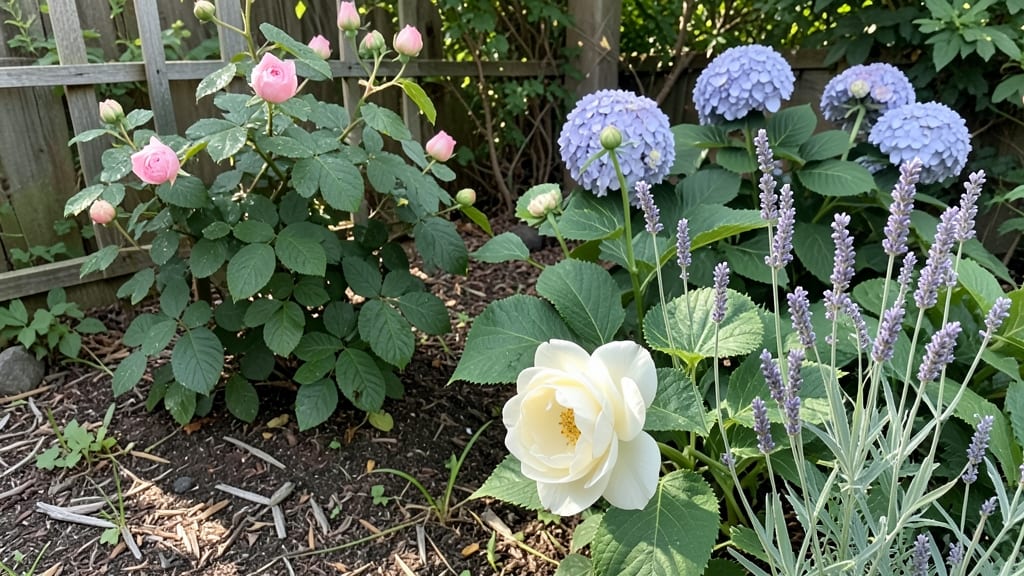
Drought-tolerant blooms that stay vibrant through summer heat are the secret to a garden that never looks tired. ✨ I used to dread July—wilting petunias and sad annuals made my yard feel like a desert.
Then I swapped thirsty plants for succulents, lavender, and Russian sage, and suddenly my garden thrived even when the hose stayed off.
The magic lies in pairing plants with similar water needs and sunlight preferences. Start with a drip irrigation system or soaker hoses to deliver moisture right to roots, then layer in perennials like coneflowers and salvias that bounce back after dry spells.
Annuals like portulaca and verbena add pop without guzzling water.
By autumn, your garden will burst with deep blues, purples, and fiery reds that contrast beautifully with drought-tolerant foliage. The best part? Pollinators adore these plants, turning your yard into a buzzing ecosystem. I’ve cut my water bill by half while keeping my garden the envy of the neighborhood.
This works for borders, containers, or full flower beds—just adjust spacing for mature sizes. The key is seasonal swaps: replace spring bulbs with heat-loving annuals by June, then bring back cool-season blooms in fall. Your garden will stay lush year-round with minimal effort.
📚 In This Guide
- What you need
- Instructions
- Tips and common mistakes
- Wrapping up and next steps
What you need
- ● Drought-tolerant plants: 10–20 plants (e.g., lavender, succulents, agave, yarrow, or native wildflowers). Choose based on your climate zone.
- ● Well-draining soil: 5–10 cubic yards of cactus/succulent mix or amended native soil (sandy loam works best).
- ● Mulch: 2–3 bags of gravel, bark, or straw mulch (3–4 inches deep) to retain moisture and suppress weeds.
- ● Compost: 1–2 bags of organic compost to enrich soil before planting.
- ● Garden gloves (1 pair) – for protection while handling soil and plants.
- ● Hand trowel or spade – for digging and transplanting.
- ● Pruners (1 pair) – for trimming dead foliage or shaping plants.
- ○ Watering can or drip irrigation kit – for efficient, deep watering (optional but recommended).
- ● Measuring tape – to plan spacing between plants (aim for 12–36 inches apart, depending on variety).
- ● Decorative stones or pebbles – for pathways or accent borders.
- ● Self-watering planters – if container gardening is your style.
- ● Solar-powered garden lights – to highlight your blooms after dark.
- ● Rainwater collection barrel – to maximize sustainability.
Instructions for designing a year-round drought-tolerant garden
Here’s how to create a vibrant, low-maintenance garden that thrives with minimal water.
🌱 Step 1: Plan Your Plant Placement by Season
Start by sketching your garden layout, grouping plants by their seasonal blooms and water needs. For year-round color, pair spring bloomers like lavender and pussy willow with summer stars like salvia and coneflower. Add fall interest with sedum and heuchera, then winter structure with ornamental grasses and evergreen shrubs. This ensures no bare patches while keeping water usage consistent.
I like to map out sun exposure first—most drought-tolerant plants need at least 6 hours of sun daily. Note shady spots for moisture-loving accents like heuchera or ferns, but keep them minimal. The key is balance: no plant should struggle for light or water.
🪴 Step 2: Amend Soil for Better Water Retention
Loosen the top 12 inches of soil with a garden fork to improve drainage and root penetration. Mix in 3 inches of compost to boost organic matter—this helps soil hold moisture longer without staying soggy. For heavy clay soil, add 1 part perlite to 3 parts soil to create air pockets. The goal is soil that drains well but retains enough moisture for roots.
Test your soil’s moisture level by squeezing a handful—it should crumble slightly when dry but not fall apart. If it sticks together like clay, add more perlite or coarse sand. This step is critical; drought-tolerant plants will suffer if soil is compacted or waterlogged.
☀️ Step 3: Mulch Heavily to Lock in Moisture
Spread 3-4 inches of mulch—I prefer wood chips or gravel—around plants, keeping it 2 inches away from stems to prevent rot. Mulch acts like a blanket, slowing evaporation and keeping roots cool. For extra insulation in winter, top with 2 inches of straw over perennials. Replenish mulch annually as it breaks down.
Watch for signs of over-mulching: if stems look buried or mold appears, adjust. The right amount looks like a thick layer that still lets rainwater reach the soil. This single step cuts watering by 50%—trust me, it makes a difference.
💧 Step 4: Water Deeply but Infrequently
Water once a week (or less in rain) with 1-2 gallons per plant, soaking the soil to 12 inches deep. Use a soaker hose or drip irrigation to deliver water slowly at the base—this encourages deep root growth. Water in the early morning to reduce evaporation and fungal risks. Avoid overhead sprinklers; they waste water and promote leaf diseases.
Check moisture by sticking your finger 2 inches into the soil. If it’s dry, water again. If damp, wait. Overwatering is the #1 killer of drought-tolerant plants—these beauties thrive on neglect once established. You’ll know you’re doing it right when weeds struggle to grow (they’re the first sign of proper moisture balance).
✂️ Step 5: Prune and Deadhead Strategically
Trim back spent blooms (deadheading) every 2-3 weeks to encourage new growth and prevent seed formation, which drains energy. For perennials like lavender, cut back one-third of the oldest stems in early spring to rejuvenate. Avoid heavy pruning in fall—it stresses plants before winter. Use clean, sharp shears to avoid tearing stems.
Watch for leggy growth or bare stems—this signals overcrowding or poor light. Thin out congested areas by removing the weakest stems at the base. A well-pruned garden stays compact, blooms longer, and handles drought better. Real talk: I’ve seen lavender recover from my very enthusiastic pruning, but over-pruning perennials like sedum can kill them.
Tips & tricks for perfect year-round drought-tolerant gardens
Creating a thriving drought-tolerant garden isn't about deprivation—it's about smart planning that keeps your garden vibrant with minimal effort.
Seasonal Layering: In Step 1, when planning your layout, consider adding evergreen shrubs like boxwood or juniper as foundational plants—they provide structure year-round while using minimal water. I like to place them at the back of borders to create depth without competing for water with seasonal bloomers.
Soil Prep Shortcut: For Step 2, if you're working with heavy clay soil, mix in 1 part perlite to 3 parts soil and add 1 part coarse sand to the mix. This creates ideal drainage while maintaining moisture retention. I've seen plants go from struggling to thriving just by improving soil structure—it's worth the extra effort!
Mulch Selection: When applying your 3-4 inches of mulch in Step 3, consider using gravel or decomposed granite in sunny areas—they reflect sunlight and reduce soil temperature. For shadier spots, organic mulches like wood chips work beautifully. The key is matching your mulch to your microclimate.
Watering Wisdom: In Step 4, the once-a-week watering schedule works best when you water deeply. Use a soaker hose and let it run until water appears at the edges of your planting area—this ensures you're reaching that 12-inch depth we want. Early morning watering isn't just about evaporation; it gives plants time to dry before evening, reducing fungal risks.
Pro Tips for Blooms And Gardens
- Creating a thriving drought-tolerant garden isn't about deprivation—it's about smart planning that keeps your garden vibrant with minimal effort.
- Seasonal Layering: In Step 1, when planning your layout, consider adding evergreen shrubs like boxwood or juniper as foundational plants—they provide structure year-round while using minimal water.
- Soil Prep Shortcut: For Step 2, if you're working with heavy clay soil, mix in 1 part perlite to 3 parts soil and add 1 part coarse sand to the mix.
Frequently asked questions
What are the best drought-tolerant plants for beginners?
Start with easy-care options like lavender, succulents (e.g., sedum or echeveria), or Russian sage. These thrive in dry conditions and require minimal fuss. Pro tip: Group plants with similar water needs together to simplify care!
How often should I water drought-tolerant plants?
Water deeply but infrequently—typically once a week (or less in extreme heat). Let soil dry out completely between waterings to encourage strong root growth. Morning watering reduces evaporation. Overwatering is the #1 mistake!
Can I mix drought-tolerant plants with thirsty ones?
It’s possible, but keep them separate to avoid competition. Use mulch (like gravel or wood chips) around drought plants to retain moisture, while thirsty plants (e.g., impatiens) need consistent hydration. Design tip: Create distinct zones for each!
What should I do if my drought-tolerant plants look wilted?
First, check the soil—it might need a drink! If roots are dry, water slowly until moisture reaches 6+ inches deep. Avoid fertilizing until plants recover. Wilt can also signal pests; inspect leaves for signs like spider mites.
Are there drought-tolerant flowers that bloom year-round?
Not quite, but bougainvillea, salvia, and yarrow offer near-continuous color with minimal water. In cooler climates, ornamental grasses (like fountain grass) add texture. Seasonal swap: Rotate plants for staggered blooms!
Wrapping up and next steps
Transforming your garden into a year-round oasis of color and resilience is easier than you think! By embracing drought-tolerant blooms, you’re not just saving water—you’re creating a thriving, low-maintenance paradise that delights the senses.
Whether you’re a seasoned gardener or just starting, the key is to start small, experiment, and enjoy the process.
Ready to take the next step? Pick one drought-resistant plant from this guide and give it a try this season—your future garden (and the planet!) will thank you. 🌸💧