
Landscaping
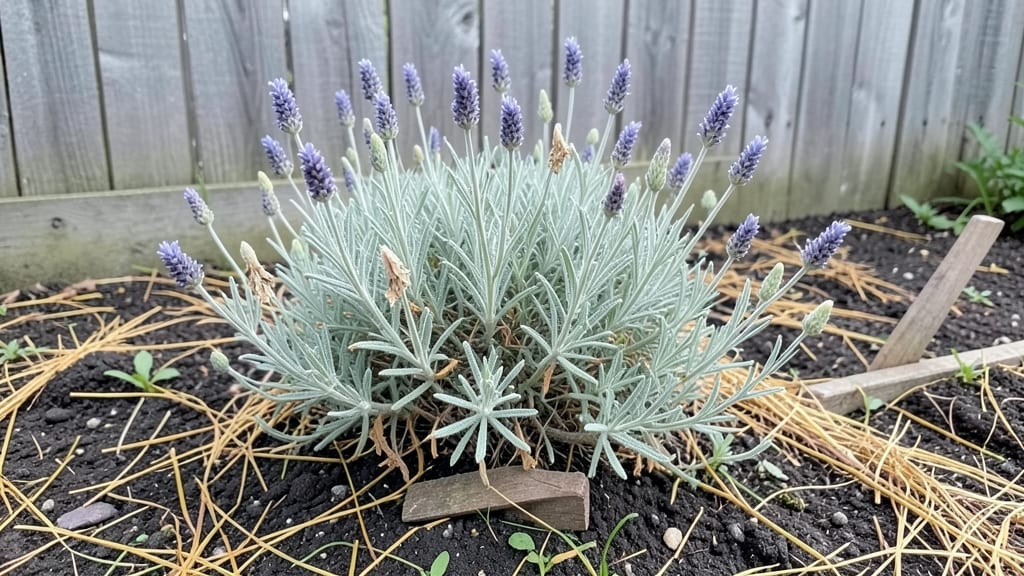
Creating a prayer garden that feels like a sanctuary starts with a design that speaks to your soul. 🌿 I’ve designed three prayer garden plans that layer meaning into every plant, path, and stone—whether you’re working with a quiet corner of your yard or a sprawling backyard.
The key isn’t perfection; it’s intention. Every element, from the scent of lavender to the sound of trickling water, should invite reflection and peace.
You’ll need a mix of evergreens for structure, fragrant herbs like rosemary for sensory connection, and symbolic flowers such as lilies or marigolds for their spiritual meanings. A simple gravel path or wooden bench anchors the space, while a small fountain or birdbath adds movement and tranquility.
Low-maintenance options like succulents or drought-tolerant perennials keep upkeep minimal, so the garden stays a place of rest, not work.
Imagine stepping into a space where the air smells like crushed mint and the sunlight filters through prayer plants, casting dappled shadows on a smooth stone seat. The design adapts to any size—even a balcony planter can hold a single symbolic plant and a small prayer flag.
Whether you’re honoring traditions or creating something deeply personal, the goal is a garden that feels like a quiet conversation with the divine.
Fair warning: once you start, you’ll find yourself adding layers—maybe a wind chime for sound, a labyrinth for walking meditation, or a quiet corner with a favorite scripture verse etched into a stone.
The best prayer gardens grow with you, reflecting your journey over time. Let’s get started with a plan that feels uniquely yours.
📚 In This Guide
- What you need
- Instructions
- Tips and common mistakes
- Wrapping up and next steps
What you need
- ● Soil: 10–15 cubic yards of high-quality, well-draining topsoil (or a mix of native soil and compost for organic richness).
- ● Mulch: 2–3 bags of organic mulch (cedar, pine, or straw) to retain moisture and suppress weeds.
- ● Plants: 5–10 sacred or native plants (e.g., lavender, rosemary, sunflowers, or hostas for symbolism).
- ● 2–3 small trees or shrubs (e.g., olive, fig, or ornamental cherry for structure).
- ● 1–2 ground covers (e.g., creeping thyme or clover for texture).
- ● Pathway materials: Gravel, stepping stones, or pavers (quantity depends on garden size; ~50–100 sq. ft. for a small path).
- ○ Water feature (optional): 1 small fountain, birdbath, or bubbler.
- ● PVC piping or a pre-made water feature kit.
- ● Seating: 1–2 benches, Adirondack chairs, or a simple wooden stool.
- ● Decorative elements: 1–2 wind chimes or singing bowls for sound therapy.
- ● 3–5 stone markers (e.g., river rocks, engraved slate, or wooden stakes) for intention-setting.
- ● 1–2 lanterns or solar lights for evening ambiance.
- ● Digging tools: Shovel, spade, and garden trowel.
- ● Measuring & layout: Measuring tape, stakes, string line, and a garden flag for marking.
- ● Planting aids: Gloves, kneeling pad, and pruners.
- ● Watering: Hose with nozzle or a watering can.
- ● Leveling: A garden level or laser level for pathways.
- ○ Optional tech: A wheelbarrow for hauling materials or a string trimmer for edging.
- ● Location: A spot with 4+ hours of sunlight (adjust for shade-loving plants if needed). Ensure it’s accessible and away from high-traffic areas.
- ● Permissions: Check local regulations for water features or permanent structures (e.g., pergolas).
- ● Budget: Small gardens: $200–$500; larger or elaborate designs: $1,000+.
- ● Timing: Plant in spring or early fall for best root establishment.
- ● Spiritual prep: Cleanse the space with salt, smoke (sage/palo santo), or prayer before planting.
Step-by-Step instructions for creating a prayer garden
Transform any outdoor space into a serene sanctuary with these intentional layers.
🌿 Step 1: Choose a Peaceful Location
Select a spot that feels calming and receives at least 4-6 hours of sunlight daily. I like to position prayer gardens near windows or along quiet pathways where they can be easily accessed for reflection. Avoid areas with heavy foot traffic or loud noises—this space should feel like a retreat.
Check the soil quality by digging a small hole—if it feels compacted or hard, you’ll need to improve drainage and aeration later. Look for natural landmarks like trees, rocks, or existing plants that can anchor your design and create a sense of harmony with the surroundings.
🪴 Step 2: Design Intentional Layers
Start with a circular or oval shape for your garden bed, as these forms naturally encourage contemplation and movement. Divide the space into three key zones: a central focal point, a middle layer for seating or pathways, and an outer layer for plants. The central area could feature a small bench, a stone altar, or a simple cross, depending on your faith tradition.
Use the 4-foot diameter for the central area, 3 feet wide for the middle layer, and 2 feet wide for the outer border. This creates a balanced, inviting layout that feels intentional rather than random. Sketch your design on paper first—it’s easier to visualize adjustments before digging.
☀️ Step 3: Plant Symbolic and Soothing Flora
Incorporate plants that hold spiritual significance, such as lavender for calmness, roses for love, or sunflowers for joy. I recommend planting 3-5 mature shrubs around the outer edge to frame the space, with 2-3 perennials in the middle layer for seasonal interest. Avoid fast-growing annuals—they require constant maintenance and can disrupt the garden’s peaceful energy.
Add a few ground covers like creeping thyme or clover to fill gaps and create a lush, textured look. These low-maintenance plants thrive in sunlight and add a soft, inviting feel underfoot. Water deeply after planting to help roots establish, but avoid overwatering—prayer gardens should feel nurtured, not soggy.
⏰ Step 4: Add Functional and Spiritual Elements
Include a small seating area, such as a wooden bench or stone slab, where visitors can sit quietly. Place it in the center or along the edge of the garden for easy access. Add a simple water feature, like a small fountain or birdbath, to create soothing sounds and attract wildlife. Even a shallow dish with running water can enhance the meditative atmosphere.
Incorporate elements like a wind chime, a small cross or statue, or even handwritten prayers tied to branches for a personal touch. These additions make the garden feel sacred and intentional. Keep pathways clear and uncluttered—narrow gravel or stepping stones work well for guiding movement through the space.
💧 Step 5: Maintain with Mindful Care
Water the garden early in the morning or late in the evening to reduce evaporation and keep the soil moist without overwhelming the plants. Use 1 gallon of water per plant weekly, adjusting for rainfall. Mulch around the base of plants to retain moisture and suppress weeds—this step saves time and keeps the garden looking tidy.
Prune plants regularly to encourage healthy growth and maintain their shape. Remove dead or damaged leaves immediately to prevent disease. I like to spend 10-15 minutes each week tending to the garden—it’s a quiet way to reflect while caring for the space. Keep the area free of debris, and consider adding seasonal flowers or candles for extra ambiance.
Tips & tricks for perfect prayer garden design
A few intentional choices will transform your prayer garden from ordinary to extraordinary—here's what I've learned after creating sacred spaces for years.
Location Matters: The 4-6 hours of sunlight mentioned in Step 1 is non-negotiable for most prayer gardens. I've found that morning sun (before 10am) creates the most gentle light for meditation, while afternoon sun can be too intense. If your only option is afternoon sun, plant taller shrubs on the north side to provide natural shade during peak hours. Trust me, the difference in ambiance is noticeable when you return to your garden throughout the day.
Design Secret: That 4-foot diameter central area in Step 2 is perfect for creating a sense of intimacy. I recommend adding a small flagstone or smooth river rock in the very center as a subtle focal point—it grounds the space without overwhelming it. For the 3-foot middle layer, consider using stepping stones in a gentle curve rather than straight lines; this guides natural movement through the garden while encouraging contemplation.
Planting Strategy: When selecting those 3-5 mature shrubs for your outer layer, choose varieties with fragrant foliage like rosemary or boxwood. The scent alone enhances the meditative experience. For the 2-3 perennials in the middle, I prefer varieties that bloom at different times—like lavender in spring and coneflowers in summer—to provide year-round interest. This layered approach keeps the garden visually engaging while maintaining its peaceful purpose.
Maintenance Wisdom: The 10-15 minutes weekly maintenance mentioned in Step 5 is perfect for combining practical care with reflection. I've found that keeping a small watering can and pruning shears in the garden makes these tasks feel like part of the ritual rather than chores. For the weekly gallon of water per plant, I recommend using a rain gauge to track rainfall—this helps you adjust watering precisely without overdoing it.
Pro Tips for Prayer Garden Plans
- A few intentional choices will transform your prayer garden from ordinary to extraordinary—here's what I've learned after creating sacred spaces for years.
- Location Matters: The 4-6 hours of sunlight mentioned in Step 1 is non-negotiable for most prayer gardens.
- Design Secret: That 4-foot diameter central area in Step 2 is perfect for creating a sense of intimacy.
Frequently asked questions
Got questions about creating your own prayer garden? You’re not alone—designing a sacred space is both inspiring and practical! Here are some common queries to help you get started with confidence.
What’s the best time of year to plant a prayer garden?
Most prayer gardens thrive when planted in spring or early fall. Spring lets plants establish roots before summer heat, while fall avoids peak pests. If you’re in a mild climate, you can plant year-round—just adjust watering and mulching to match the season!
How much water does a prayer garden need?
Water needs vary by plant, but most prayer gardens require 1–1.5 inches of water per week (including rainfall). Use drip irrigation or soaker hoses to keep soil moist without overwatering. Mulch heavily to retain moisture and reduce weeds—sacred spaces deserve tender care!
Can I use existing plants in my prayer garden?
Native plants, shrubs, or even potted herbs (like rosemary or lavender) can enhance your garden’s spiritual vibe. Just ensure they’re healthy and align with your design theme. Bonus: Existing greenery saves time and money while adding natural harmony.
What if my space is small or urban?
No space? No problem! A container garden (pots, vertical planters, or window boxes) works beautifully. Focus on symbolic plants like bells, candles, or prayer stones to create a mini-sanctuary. Even a 1x1-foot plot can hold deep meaning with intentional design.
How do I keep pests away without chemicals?
Try these natural fixes:
- Companion planting: Marigolds deter pests, while basil repels flies.
- Neem oil spray: A gentle, organic pest control.
- Handpick pests: Early morning is the best time to spot them!
Wrapping up and next steps
Creating a prayer garden is more than just landscaping—it’s an act of love, intention, and sacred connection to nature. Whether you’re designing a serene retreat for meditation or a vibrant space for community gatherings, every layer of your garden holds the power to nurture peace and reflection. 🌿✨
Now that you’re armed with ideas, materials, and answers to common questions, take that first step! Start small—plant a single tree, lay down a stone path, or even sketch your vision. Your prayer garden will grow with time, just like your spiritual practice. What’s one element you’ll add first?