
Container Gardens
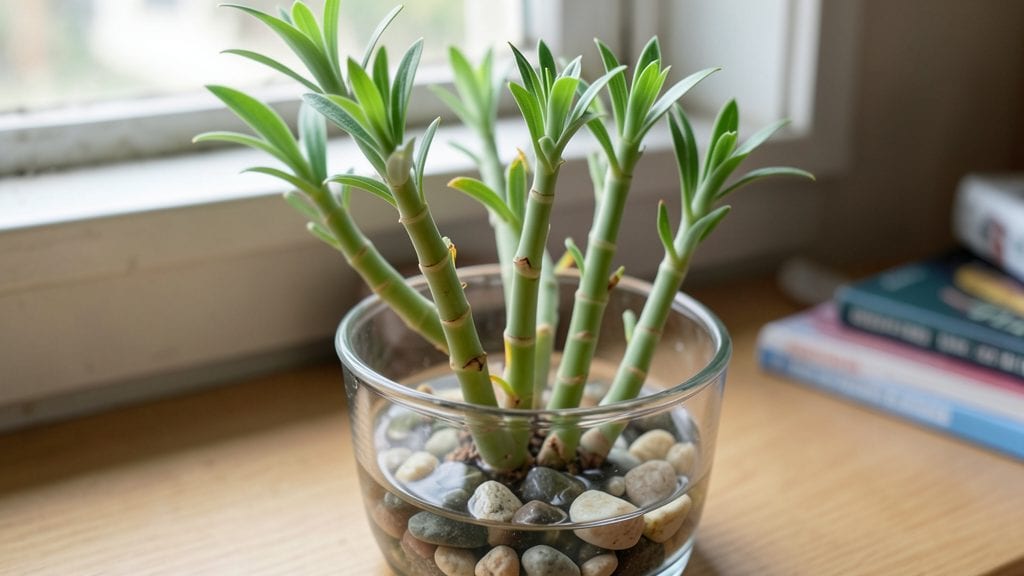
A bamboo container garden turns even the tiniest balcony into a lush, vertical jungle. 🌿 I’ve grown bamboo in pots for years, and the right varieties—like dwarf bamboo—stay manageable while adding dramatic height and texture to small spaces.
The key is choosing containers with drainage and the right soil mix to keep roots happy without taking over your yard.
You’ll need containers at least 12 inches deep, lightweight potting soil mixed with perlite, and a sunny spot (or bright indirect light for indoors). Some varieties grow 3-5 feet tall in containers, making them perfect for screening unsightly views or adding privacy without sacrificing floor space.
Just avoid clumping bamboo—running types spread aggressively and need containment.
By summer, your containers will be packed with arching canes and feathery fronds, creating a tropical vibe that’s impossible to ignore. The best part? Bamboo thrives in containers, so you skip the invasive worries of in-ground planting.
With proper pruning, you’ll enjoy years of low-maintenance greenery that outshines any store-bought decor.
Works for balconies, patios, or even indoor sunrooms—just adjust watering based on your climate. Here’s how to pick the right bamboo and set it up for success without the headaches.
📚 In This Guide
- What you need
- Instructions
- Tips and common mistakes
- Wrapping up and next steps
What you need
- ● Bamboo planters: 3–6 medium-sized (12–18 inches deep, 6–12 inches wide). Choose sealed bamboo (treated for moisture resistance) or untreated if you prefer a natural, biodegradable option.
- ● High-quality potting mix: 1–2 bags (1–2 cubic feet each) of well-draining, organic soil blend (e.g., 60% peat moss, 30% perlite, 10% compost).
- ● Drainage materials: Small gravel or pebbles (1–2 cups per planter)
- ○ Optional: Drainage disc or mesh (to prevent soil from washing out).
- ● Plants suited for containers: Herbs (basil, mint, thyme)
- ● Succulents (sedum, echeveria)
- ● Compact veggies (lettuce, cherry tomatoes, dwarf peppers)
- ● Ornamental grasses (bamboo varieties like Fargesia or Dracaena).
- ● Basic gardening tools: Trowel or small hand shovel
- ● Pruning shears (for trimming)
- ● Gloves (to protect hands from soil and sharp bamboo edges).
- ● Watering can or spray bottle (with a fine rose nozzle for delicate plants).
- ● Mounting hardware (if wall-mounting): L-brackets or heavy-duty hooks (weight-rated for 10+ lbs per planter)
- ● Screws and wall anchors (for drywall or concrete).
- ○ Optional but helpful: Self-watering reservoir (for drought-prone plants)
- ● Fertilizer (slow-release granules or liquid feed)
- ● Mulch (coco coir or shredded bark to retain moisture).
- ● Sunlight assessment: Identify a spot with 4–6 hours of direct/indirect light (adjust plant choices based on your space’s light conditions).
- ● Access to water: Ensure your setup is near a water source (or opt for self-watering systems).
- ● Basic DIY skills: If mounting, ensure you’re comfortable with light drilling or have a helper.
Step-by-step guide to building a functional bamboo container garden
Here's how to transform vertical space into a thriving, low-maintenance garden using just bamboo and a few smart choices.
🪴 Step 1: Select and Prepare Your Bamboo Poles
Choose 4-6 poles of 2-3 inch diameter bamboo, cut to 4-6 feet tall depending on your wall space. I prefer untreated poles—they're naturally rot-resistant and won't leach chemicals into your soil. Look for poles with smooth, unbroken nodes; rough or cracked sections weaken structural integrity.
Use a jigsaw with a fine-tooth blade to cut the poles at a 45-degree angle at the top. This prevents water pooling and gives a cleaner look. Sand any rough edges with 120-grit sandpaper to avoid splinters. For extra stability, drill a ¼-inch hole through each pole, 6 inches from the bottom, to thread a ¼-inch galvanized wire later.
🌿 Step 2: Assemble the Vertical Frame
Arrange the poles in a rectangular or square pattern, spacing them 12-18 inches apart center-to-center. This creates a stable grid for your containers. Use a level to ensure the bottoms are perfectly even—uneven bases will cause containers to tilt. Temporarily secure the poles with zip ties at the base while you adjust.
Thread the ¼-inch galvanized wire through the holes you drilled, twisting it tightly at the back to create a horizontal brace. This prevents the frame from bowing outward under the weight of containers. For taller setups, add a second wire brace at mid-height. I like to leave 2-3 inches of wire exposed at the back for easy adjustments later.
💧 Step 3: Choose and Install Containers
Select lightweight containers with multiple drainage holes—I recommend fabric grow bags or plastic pots with handles for easy access. Hang them using heavy-duty zip ties or nylon straps, spacing containers 4-6 inches apart vertically to allow airflow. Larger containers (like 5-gallon fabric pots) go at the bottom; smaller ones (1-gallon size) can stack higher.
Fill containers with lightweight potting mix—never garden soil, which compacts and suffocates roots in confined spaces. I top-dress with orchid bark or perlite to improve drainage. For extra stability, place the heaviest containers on the bottom row and distribute weight evenly across the frame. Test the setup by gently tugging each container—it should stay put without wobbling.
☀️ Step 4: Plant and Maintain for Optimal Growth
Select plants suited for container life: trailing varieties like nasturtiums or sweet potatoes, compact herbs like thyme or oregano, or shallow-rooted veggies like lettuce or radishes. Water deeply every 2-3 days until the top inch of soil feels dry—bamboo gardens dry out faster than ground-level setups. I use a drip irrigation kit connected to a timer for hands-off watering.
Fertilize lightly every 4-6 weeks with a balanced liquid fertilizer (10-10-10). Over-fertilizing in small containers burns roots quickly. Watch for leggy growth—a sign of insufficient light—and rotate containers quarter-turn weekly to ensure even exposure. Prune trailing plants aggressively to prevent them from overwhelming the frame and creating weight imbalances.
✂️ Step 5: Seasonal Adjustments for Longevity
Before winter, remove containers and store them indoors. Clean the bamboo frame with a vinegar-water solution (1:3 ratio) to prevent mold buildup. If you must leave plants in place, wrap the frame in burlap and cover with a clear plastic sheet to trap heat. In spring, inspect poles for cracks or rot—replace any compromised sections immediately.
Every 2-3 years, replace the bamboo frame entirely. Even treated poles degrade under constant moisture exposure. I mark the year on each pole with a permanent marker so I don’t forget. For a fresh look, sand down old poles and stain them with non-toxic exterior stain—it hides weathering while protecting the wood.
Tips & tricks for perfect bamboo container gardens
A few smart strategies that'll transform your vertical space into a thriving, low-maintenance oasis without the headaches.
Bamboo Selection Matters: When choosing your 4-6 poles of 2-3 inch diameter bamboo, pay special attention to the nodes—they're the bamboo's natural weak points. Avoid poles with cracks or splits near the nodes, as these will compromise structural integrity over time. I like to test each pole by gently tapping it with a hammer; a hollow sound means it's hollow inside and perfect for your garden, while a dull thud indicates it's solid and better suited for decorative purposes only.
Cutting and Sanding for Longevity: That 45-degree angle cut at the top isn't just for looks—it's functional. The angled cut prevents water from pooling on flat surfaces, which can lead to rot over time. After cutting with your jigsaw, take an extra 5 minutes to sand all edges with 120-grit sandpaper. This might seem tedious, but those splinters will become a constant annoyance if you skip this step. Trust me, your hands will thank you later.
Weight Distribution is Critical: In Step 3, when arranging your containers, remember that heavier is always better at the bottom. Place your 5-gallon fabric pots on the lowest level and work your way up to the 1-gallon containers. This creates a stable pyramid that won't wobble when you're harvesting or pruning. I also recommend staggering the containers slightly—this creates visual interest while maintaining structural balance. Think of it like building a tower of blocks, but with plants.
Seasonal Maintenance Secret: That vinegar-water solution (1:3 ratio) for cleaning your bamboo frame in Step 5 is a game-changer. The acetic acid in vinegar not only kills mold spores but also prevents future buildup. After cleaning, let the frame dry completely in the sun before reassembling. This UV exposure naturally sanitizes the bamboo and gives it a fresh, clean look for the next growing season. It's like giving your garden a spa day!
Pro Tips for Bamboo Container Garden
- A few smart strategies that'll transform your vertical space into a thriving, low-maintenance oasis without the headaches.
- Bamboo Selection Matters: When choosing your 4-6 poles of 2-3 inch diameter bamboo, pay special attention to the nodes—they're the bamboo's natural weak points.
- Cutting and Sanding for Longevity: That 45-degree angle cut at the top isn't just for looks—it's functional.
Frequently asked questions
Got questions about creating your own bamboo container garden? You’re not alone—this eco-friendly, space-saving solution has sparked curiosity! Here are some of the most common inquiries, answered for your peace of mind.
What types of plants thrive best in a bamboo container garden?
A bamboo container garden is versatile! Opt for low-maintenance, compact plants like herbs (basil, mint, parsley), leafy greens (lettuce, kale), or trailing vines (strawberries, cherry tomatoes). Avoid heavy rooters like corn or pumpkins—they’ll outgrow the space. Pro tip: Choose plants with similar watering needs to simplify care!
How often should I water a bamboo container garden?
Watering depends on your climate, but check soil moisture daily during hot months—bamboo’s porous nature drains quickly. A good rule: Water when the top inch feels dry. Morning watering prevents evaporation and fungal growth. Troubleshoot: Yellowing leaves? You’re likely overwatering—let the soil dry slightly between sessions.
Are bamboo containers expensive, and where can I find affordable options?
Not at all! Bamboo containers range from $10–$50 depending on size and craftsmanship. Check local markets, Etsy, or DIY stores for budget-friendly picks. Budget hack: Repurpose old bamboo blinds or flooring—just sand and seal for a fresh look!
Will bamboo containers survive heavy rain or frost?
Bamboo is durable but not indestructible. Heavy rain can warp untreated bamboo—opt for sealed or treated bamboo if downpours are common. For frost, move containers indoors or wrap them in burlap. Winter prep: Empty containers or store them in a dry place to extend their lifespan.
Can I reuse bamboo containers after a growing season?
Clean containers with soapy water and vinegar to remove residue, then dry thoroughly in the sun. Sterilize with a 10% bleach solution (rinse well!) if pests were an issue. Bonus: Rotate crops yearly to prevent soil depletion and disease buildup.
What’s a quick fix if my bamboo container leaks or cracks?
Leaks or cracks? No problem! Seal small gaps with waterproof silicone caulk or epoxy. For larger damage, reinforce with bamboo patches or duct tape (temporarily). Preventative tip: Avoid placing containers in direct sunlight for prolonged periods—UV rays weaken bamboo over time.
Wrapping up and next steps
A bamboo container garden is your ticket to lush greenery without sacrificing space—perfect for urban dwellers craving nature! 🌿 Whether you're a seasoned gardener or a beginner, this vertical solution proves that small spaces can yield big rewards.
With the right materials, a little creativity, and the tips shared here, you’re ready to transform any wall or balcony into a thriving oasis.
Now’s the time to roll up your sleeves—start sketching your design, gather your supplies, and let your green thumb shine! 🌱 Next step: Pick your favorite plants and begin building your dream garden today!