
Tools
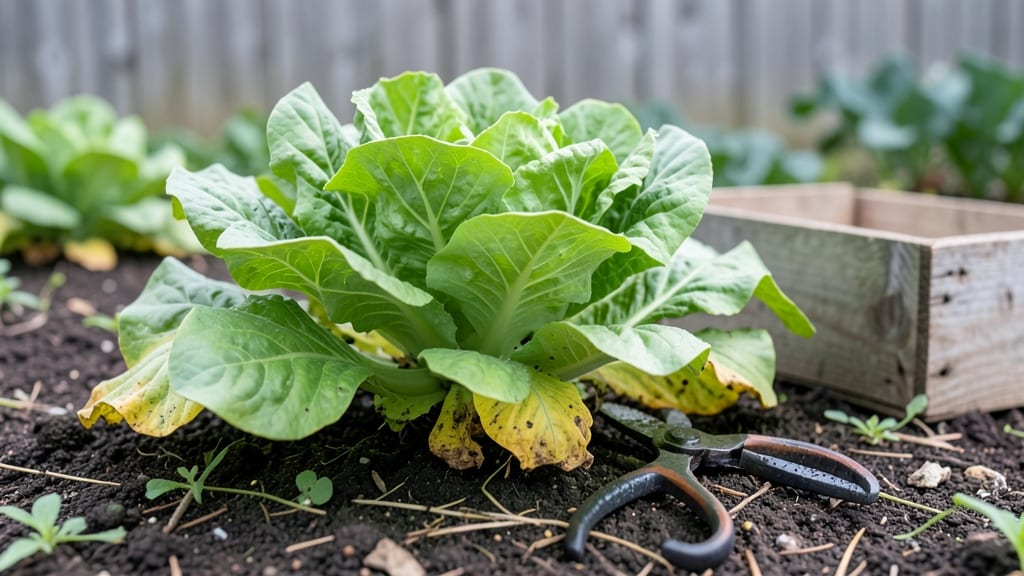
The ideal market gardening climate falls within USDA Zones 5-9, where balanced seasonal temperatures maximize crop yields. Strategic microclimate solutions—such as windbreaks, shade structures, and controlled environments—allow growers to adapt these conditions for peak performance year-round.
This zone range isn't arbitrary—it aligns with the needs of most commercial crops, which thrive in 50-90°F growing temperatures. 💫 For example, leafy greens like kale and spinach can handle cooler nights in Zone 5, while tomatoes and peppers demand the consistent warmth of Zones 7-9.
The key difference between these zones lies in their frost-free periods: Zone 5 growers might squeeze in just 120-140 days of growing season, while Zone 9 offers nearly year-round possibilities.
What's fascinating is how these variations influence crop rotation strategies—something I've seen firsthand when consulting with urban farmers expanding into colder climates.
Beyond zone selection, microclimate techniques become your secret weapon. I've worked with growers in Zone 4 who've extended their seasons by 30-40% using simple low tunnels and reflective mulch—techniques that reflect heat back into the soil while protecting delicate plants.
The beauty of these methods is their scalability: whether you're managing a 100-square-foot balcony garden or a half-acre plot, the same principles apply.
For instance, a black plastic mulch can raise soil temperatures by 10-15°F in cooler climates, while drip irrigation systems maintain consistent moisture levels that prevent heat stress in summer.
💡 In This Article
- Optimal USDA Zones for High-Yield Market Gardening
- Microclimate Control Techniques for Small-Scale Growers
Optimal USDA zones for high-yield market gardening
USDA Zones 5-9 represent the sweet spot for market gardening because they balance temperature extremes with sufficient growing days. Zone 5 (10-20°F winters) can handle hardy crops like kale and Brussels sprouts, while Zone 9 (20-30°F winters) extends growing seasons to nearly 300 days.
The critical factor here is the frost-free period: Zone 5 offers 120-140 days, while Zone 9 provides 240-300 days, allowing for multiple harvests of warm-season crops like tomatoes and peppers. 🔥
Temperature ranges matter more than absolute zone numbers. Most market crops thrive between 60-85°F during daylight hours, with nighttime temperatures ideally staying above 50°F. For example, tomatoes need consistent warmth above 55°F to set fruit, while leafy greens like spinach can tolerate cooler nights down to 35°F.
The heat units (growing degree days) accumulated in each zone determine which crops will succeed—Zone 6 (0-10°F winters) accumulates about 3,000-4,000 GDD, perfect for beans and cucumbers, while Zone 8 (10-20°F winters) reaches 5,000-6,000 GDD, ideal for peppers and eggplants.
Crop selection should align with your zone's capabilities. In Zone 5, focus on cool-season crops like broccoli and carrots during spring/fall, then transition to tomatoes and squash when soil warms to 60°F in summer.
Zone 7-9 growers can plant warm-season crops like peppers and okra directly in the ground by April 15-May 1, while Zone 5 may need to start these indoors by March 1 for a late-June transplant.
This timing ensures plants mature before first frost—typically October 15 in Zone 5 versus December 1 in Zone 9.
Rotation planning becomes easier when you understand these zone-specific patterns. For instance, in Zone 6, you might rotate a 4-week radish crop (cool season) with a 10-week tomato crop (warm season) in the same bed, using the radish's quick turnover to break disease cycles.
The key is matching crop families to seasonal windows—solacing (tomatoes, peppers) in summer and brassicas (kale, cabbage) in cooler months. This prevents soil depletion and reduces pest pressure by breaking life cycles. 💫
What most growers overlook is how microclimates within a zone can create exceptions. A south-facing slope in Zone 5 might warm 5-10°F faster than the surrounding area, allowing for earlier plantings of heat-loving crops.
Similarly, a shaded north side of a greenhouse in Zone 8 can protect delicate greens from afternoon sunburn. These variations mean you can sometimes push zone boundaries by 1-2 zones with strategic site selection and simple adjustments like mulching or windbreaks.
For data-driven planning, consult your local Cooperative Extension Service for zone-specific planting calendars. They often provide 10-year averages of frost dates and heat units, giving you more precise timing than the general USDA zone map.
For example, my Zone 6 garden in upstate New York experiences 20% more frost days than the average Zone 6, so I adjust my planting dates accordingly. This level of detail turns guesswork into a predictable, high-yield system. ✨
Remember: while zones provide a baseline, your actual growing conditions depend on elevation, proximity to water bodies, and local weather patterns. A high-elevation Zone 7 might feel more like Zone 6, while a coastal Zone 6 could behave like Zone 8 due to maritime influences.
Always test your microclimate for 2-3 years before finalizing your crop rotation plan—this hands-on approach is what separates successful market gardeners from those who rely solely on zone charts. 🌱